Iron keeps your cells alive, but too much of it can kill them in a particularly brutal way. When iron accumulates and starts generating toxic lipid peroxides, cells die through ferroptosis, a process that literally rusts them from the inside out. Standing guard against this iron-driven destruction is NRF2, a master regulator that mobilises cellular defences before the damage becomes fatal.
What is ferroptosis
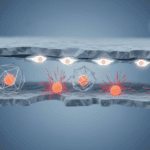
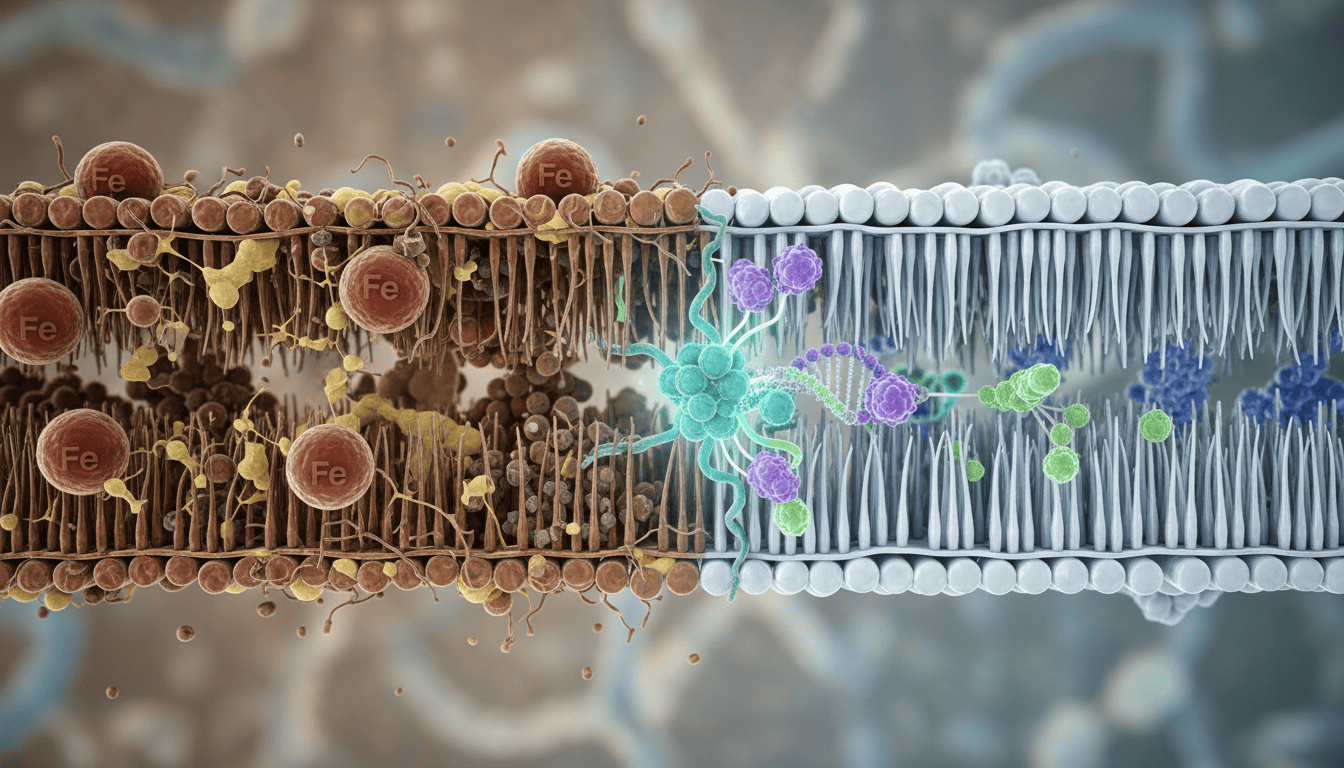
Ferroptosis sounds like something from a chemistry textbook, but it’s happening in your body right now. This form of cell death occurs when iron catalyses the formation of lipid peroxides in cellular membranes. Think of it like controlled rusting.
Unlike apoptosis, where cells die in an orderly fashion, ferroptosis is messy. Iron reacts with polyunsaturated fatty acids in cell membranes, creating reactive lipid species that punch holes in the membrane. The cell essentially falls apart from the outside in.
The process requires three key ingredients: iron, oxygen, and vulnerable fatty acids. Remove any one of these, and ferroptosis stops. But cells can’t simply eliminate iron or oxygen because they need both for basic metabolism. Instead, they rely on antioxidant systems to neutralise the toxic products before they accumulate.
This is where NRF2 enters the picture. When cells detect the early signs of lipid oxidation, NRF2 translocates to the nucleus and starts switching on genes. Lots of them.
What the research shows
Scientists have mapped exactly how NRF2 protects cells from ferroptosis, and the mechanism is more sophisticated than expected. NRF2 doesn’t just turn on one or two protective genes. It orchestrates an entire antioxidant program.
The most direct protection comes through glutathione peroxidase 4 (GPX4). This enzyme specifically neutralises lipid peroxides, the toxic products that drive ferroptosis. NRF2 boosts GPX4 production by activating genes involved in both the enzyme itself and its cofactor, selenium.
But NRF2’s protection extends far beyond GPX4. Research shows it also increases production of glutathione, the cellular antioxidant that GPX4 needs to function. Without adequate glutathione, GPX4 becomes useless, like a fire extinguisher without water.
NRF2 also regulates iron handling directly. It increases expression of ferritin, a protein that sequesters free iron and prevents it from catalysing lipid oxidation. Simultaneously, it reduces iron uptake by suppressing transferrin receptor expression.
Perhaps most cleverly, NRF2 activation changes the fatty acid composition of cell membranes. It promotes synthesis of monounsaturated fats while reducing polyunsaturated fatty acids, making membranes inherently more resistant to oxidative damage.
Why cells need this protection
Ferroptosis isn’t just a laboratory curiosity. It’s an ancient form of cell death that probably evolved as a quality control mechanism. Cells with damaged iron metabolism or compromised antioxidant defences eliminate themselves before they can harm surrounding tissue.
But like many biological processes, ferroptosis can go wrong. When healthy cells start dying through ferroptosis inappropriately, the consequences range from tissue damage to organ failure. The brain seems particularly vulnerable because neurons contain high levels of iron and polyunsaturated fats.
Cancer cells face a unique challenge here. They often have higher iron requirements than normal cells to fuel their rapid growth. This makes them more susceptible to ferroptosis, which explains why some cancer researchers are exploring ferroptosis inducers as potential therapies.
The evolutionary logic is clear: cells need iron for energy production and DNA synthesis, but they also need robust defences against iron’s toxic potential. NRF2 provides that defence by constantly surveying for oxidative damage and responding before it becomes lethal.
What affects NRF2’s anti-ferroptosis activity
Age significantly impacts this protective system. Older cells show reduced NRF2 activity and increased susceptibility to ferroptosis. The mechanism involves chronic low-grade inflammation that keeps NRF2’s inhibitor, KEAP1, in an activated state.
Diet plays a substantial role through multiple pathways. Selenium availability directly affects GPX4 function, while sulphur-containing compounds from cruciferous vegetables can activate NRF2. Conversely, diets high in iron or polyunsaturated fats without adequate antioxidants may overwhelm the system.
Environmental toxins present another challenge. Heavy metals, air pollutants, and certain medications can deplete glutathione stores or interfere with NRF2 signalling. This creates a dangerous situation where cells face increased oxidative stress while their defences are compromised.
Exercise produces an interesting paradox. Acute exercise generates oxidative stress that activates NRF2, strengthening anti-ferroptosis defences over time. But excessive exercise without adequate recovery can deplete antioxidant systems faster than they can be replenished.
Sleep and circadian rhythms also influence this system. NRF2 activity follows a daily cycle, with peak activity occurring when cells typically face the highest metabolic stress.
What remains unknown
Despite impressive progress, significant gaps remain in our understanding of NRF2’s role in preventing ferroptosis. Researchers still don’t fully understand why some cell types are more vulnerable to ferroptosis than others, even when they express similar levels of protective enzymes.
The timing of NRF2 activation presents another puzzle. Some studies suggest that NRF2 must be activated before iron accumulation begins, while others show protection even when activation occurs after oxidative stress starts. This timing question has important implications for understanding when protective mechanisms succeed or fail.
Scientists are also investigating whether different NRF2 target genes provide specialised protection against specific triggers of ferroptosis. The current evidence suggests this might be the case, but the mechanisms remain unclear.
Perhaps most intriguingly, researchers are trying to understand how cells decide between activating protective pathways and proceeding with ferroptosis. There appears to be a tipping point where NRF2 activation is no longer sufficient, but what determines this threshold remains mysterious.
Understanding how NRF2 prevents ferroptosis reveals something fundamental about cellular survival. Cells aren’t passive victims of oxidative damage. They’re constantly monitoring their environment, adjusting their defences, and making life-or-death decisions based on the balance between damage and protection. This ancient dance between iron’s utility and toxicity continues in every cell of your body, largely invisible but absolutely essential for life itself.

Matt Elliott is the editor of Redox News Today, an independent publication covering peer-reviewed research on cellular health, redox signalling, and related biomedical science.