Your liver produces about 1.5 grams of squalene every day, yet most people have never heard of this molecule. This oily compound, also found in shark liver oil and olive oil, doesn’t just sit passively in cell membranes. Scientists are discovering that squalene actively influences how cells respond to oxidative stress, particularly in tissues that handle heavy metabolic loads.
What is squalene
Squalene is a 30-carbon molecule that looks like a twisted chain of connected rings. Your body manufactures it as an intermediate step in cholesterol production, but squalene has its own distinct functions. Unlike cholesterol, squalene contains no oxygen atoms, making it highly susceptible to oxidation.
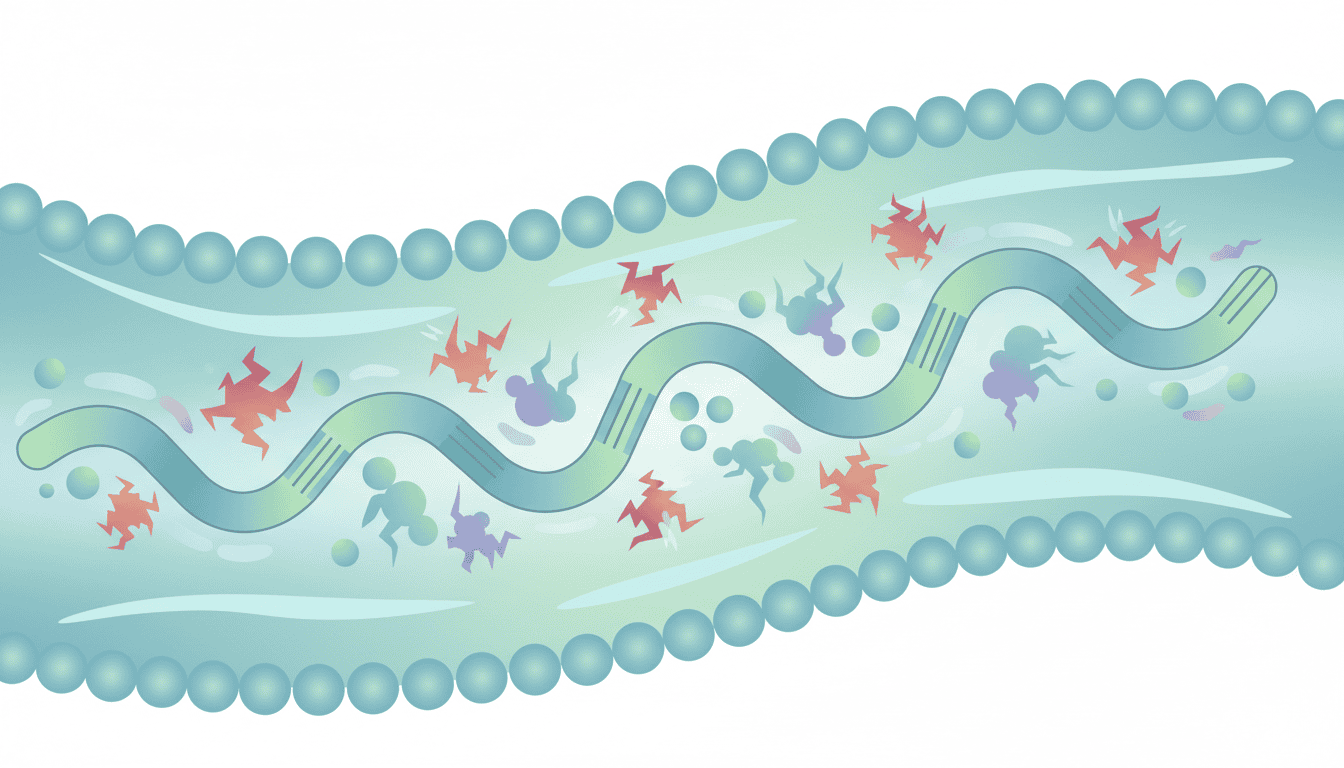
This susceptibility isn’t a design flaw. Squalene acts like a molecular sponge for reactive oxygen species. When free radicals attack cell membranes, they often hit squalene first, sparing more critical membrane components like proteins and DNA.
The molecule concentrates in sebaceous glands, where it helps maintain skin barrier function. But researchers have found significant amounts in liver, muscle, and adipose tissue. These tissues share a common feature: they all handle intense metabolic activity that generates substantial oxidative stress.
What the research shows
Studies on cellular metabolism reveal that squalene levels fluctuate based on oxidative stress conditions. When researchers expose cells to controlled oxidative stress, squalene production increases within hours. This suggests cells ramp up squalene synthesis as a protective response.
The most intriguing findings come from metabolic research. Scientists have observed that tissues with higher squalene content show different patterns of oxidative damage compared to tissues with lower levels. Specifically, lipid peroxidation markers decrease when squalene concentrations rise.
Animal studies demonstrate that squalene depletion affects how tissues respond to metabolic stress. Mice fed diets that reduce squalene synthesis show altered inflammatory markers and different patterns of cellular stress responses. Their cells seem less capable of buffering sudden increases in reactive oxygen species.
Research on membrane dynamics shows that squalene influences membrane fluidity and structure. This physical property affects how oxidative stress signals propagate through cells and how antioxidant enzymes function within membrane environments.
Why cells need this protection
Metabolic processes generate reactive oxygen species as unavoidable byproducts. Cellular respiration, fatty acid metabolism, and protein synthesis all produce molecules that can damage cellular components. Evolution needed mechanisms to handle this constant oxidative pressure without shutting down essential metabolic functions.
Squalene provides what researchers call “sacrificial protection.” By absorbing oxidative hits, it prevents damage to membrane proteins that regulate cellular transport and signalling. This preservation becomes critical during periods of metabolic stress, when cells need maximum functional capacity.
The molecule’s unique chemistry makes it particularly effective against certain types of reactive oxygen species. Its multiple double bonds can neutralise singlet oxygen and other reactive molecules that standard antioxidant enzymes handle poorly.
Tissues with high energy demands face a fundamental challenge: they need robust metabolic machinery but must protect that machinery from metabolic byproducts. Squalene helps solve this problem by creating a protective buffer zone within cell membranes.
What affects squalene levels
Age significantly influences squalene production. Studies show that squalene synthesis decreases progressively after age 30, with particularly steep declines in skin and liver tissue. This reduction correlates with increased oxidative damage markers in the same tissues.
Dietary factors play important roles. Research indicates that diets high in processed foods and low in antioxidants increase squalene consumption through oxidative stress. Conversely, diets rich in vitamin E and other antioxidants help preserve squalene levels by reducing overall oxidative load.
Exercise creates a complex relationship with squalene. Acute exercise temporarily depletes squalene through increased oxidative stress, but regular training appears to enhance squalene synthesis capacity. Well-trained individuals show higher baseline squalene levels compared to sedentary controls.
Environmental exposures matter too. Air pollution, UV radiation, and chemical toxins all increase squalene consumption. People living in high-pollution environments show accelerated squalene depletion compared to those in cleaner environments.
Genetic variations in squalene synthesis enzymes affect individual responses to oxidative stress. Some people naturally produce more squalene, while others rely more heavily on other antioxidant systems.
What remains unknown
Researchers still debate whether squalene’s protective effects result purely from its antioxidant properties or involve more complex cellular signalling. Some evidence suggests squalene oxidation products might activate protective pathways, but this mechanism remains poorly understood.
The optimal balance between squalene and other membrane components remains unclear. Too much squalene might alter membrane properties in ways that impair cellular function, but scientists haven’t identified clear thresholds or optimal ratios.
Individual variation in squalene metabolism poses another puzzle. People with similar diets and lifestyles show surprisingly different squalene levels and oxidative stress markers. Genetic factors likely explain some variation, but environmental and microbiome influences need more investigation.
The relationship between squalene and inflammatory pathways needs clarification. While squalene clearly affects oxidative stress, its influence on immune cell activation and inflammatory signalling remains an active area of research.
This research illuminates a broader principle in cellular biology: protection often involves sacrifice. Cells don’t just build walls against oxidative stress; they deploy expendable molecules like squalene that absorb damage while preserving essential functions. Understanding these protective mechanisms helps explain how healthy cells maintain their metabolic capacity despite constant exposure to potentially damaging reactive oxygen species. The more scientists learn about molecules like squalene, the clearer it becomes that cellular health depends on intricate networks of protective systems working together.

Matt Elliott is the editor of Redox News Today, an independent publication covering peer-reviewed research on cellular health, redox signalling, and related biomedical science.