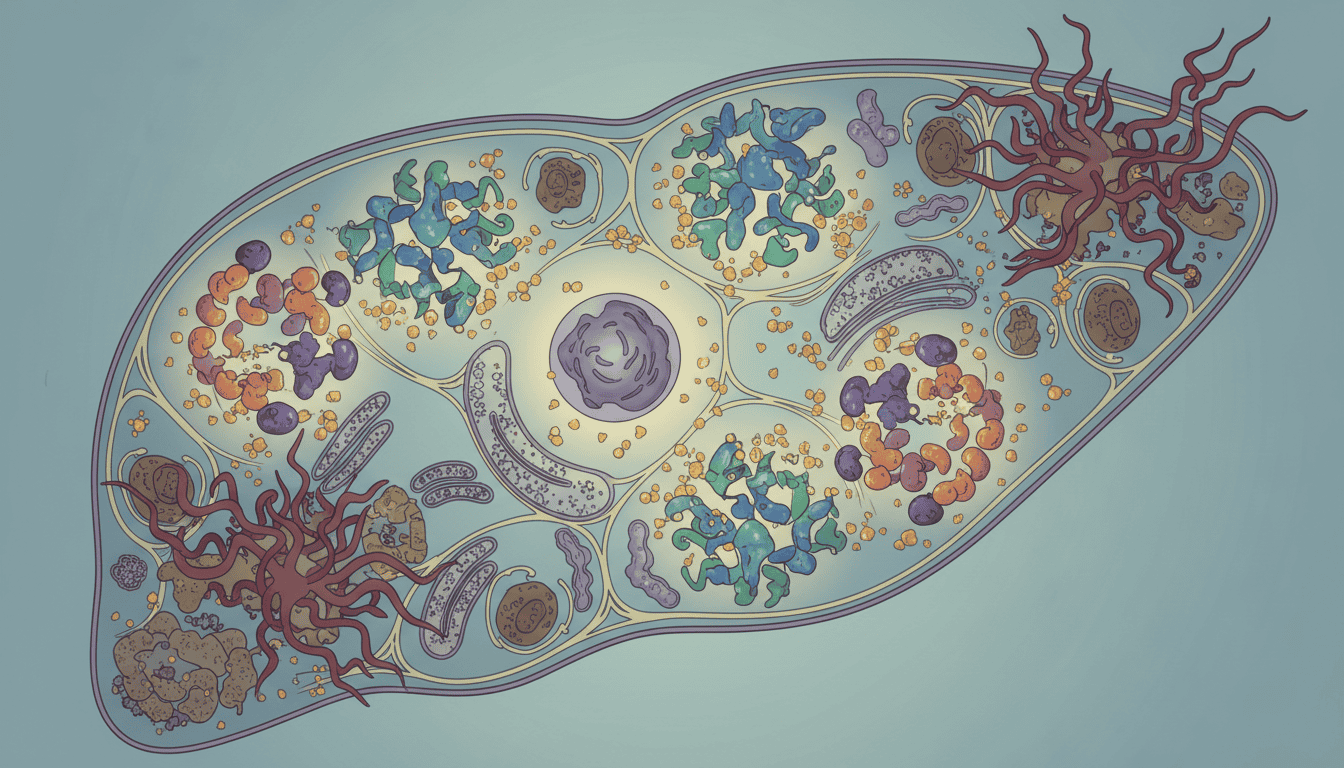
Your liver processes roughly 1.5 litres of blood every minute, breaking down toxins and managing fat metabolism with remarkable precision. But this cellular powerhouse depends entirely on glutathione, the cell’s primary antioxidant defence system. When glutathione levels drop, the liver’s finely tuned chemistry starts to unravel in ways that scientists are only beginning to understand.
What is glutathione’s role in liver function
Glutathione acts as the liver’s molecular bodyguard. This tripeptide molecule neutralises reactive oxygen species before they can damage critical cellular machinery. In liver cells, glutathione works overtime because these cells face constant oxidative stress from detoxification processes.
The liver manufactures glutathione from three amino acids: cysteine, glutamate, and glycine. Healthy liver cells maintain glutathione concentrations that are 5 to 10 times higher than most other tissues. This stockpile isn’t just sitting idle.
Every second, glutathione molecules sacrifice themselves to neutralise harmful oxidants. The enzyme glutathione peroxidase facilitates this process, converting dangerous hydrogen peroxide into harmless water. Meanwhile, other glutathione molecules bind directly to toxins, making them water-soluble so the body can eliminate them through urine or bile.
What the research shows
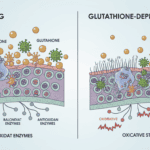
When researchers experimentally deplete glutathione in liver cells, the effects cascade through multiple metabolic pathways. Proteins begin accumulating oxidative damage within hours. Scientists observe increased carbonylation of key enzymes, particularly those involved in glucose metabolism and fatty acid processing.
The damage isn’t random. Certain proteins become preferential targets for oxidation, including those responsible for lipid metabolism. Acetyl-CoA carboxylase, a rate-limiting enzyme in fatty acid synthesis, shows significant oxidative modifications when glutathione levels drop.
Lipid metabolism shifts dramatically under these conditions. Fatty acid oxidation decreases while lipid synthesis becomes dysregulated. Research shows that glutathione-depleted liver cells accumulate triglycerides and develop characteristics similar to fatty liver disease. The mitochondrial respiratory chain, already a major source of reactive oxygen species, becomes even more unstable without adequate glutathione protection.
Perhaps most telling, the cell’s ability to regenerate glutathione itself becomes compromised. The enzyme gamma-glutamylcysteine synthetase, which catalyses the first step in glutathione synthesis, is itself vulnerable to oxidative damage.
Why cells need this protection
The liver’s detoxification role makes it a target for oxidative damage. Every time cytochrome P450 enzymes break down a toxin, they generate reactive oxygen species as byproducts. Without glutathione, these oxidants would quickly destroy the very enzymes responsible for detoxification.
Protein oxidation represents a particularly serious threat because damaged proteins can aggregate and interfere with normal cellular processes. Unlike DNA, which cells can repair relatively easily, oxidised proteins often need complete replacement. This process requires significant energy and resources that the cell could otherwise use for normal functions.
Lipid metabolism requires precise enzymatic control because fats serve multiple cellular roles. They form membrane structures, act as signalling molecules, and provide energy storage. When oxidative stress disrupts these pathways, cells lose the ability to maintain proper membrane composition and energy balance.
Evolution preserved glutathione across virtually all life forms, from bacteria to humans. This conservation suggests that antioxidant defence represents a fundamental requirement for complex metabolism, particularly in organs like the liver that handle toxic compounds.
What affects glutathione levels
Age significantly impacts glutathione production. Older adults typically show 20 to 40 percent lower glutathione concentrations in liver tissue compared to younger individuals. This decline partly explains why older people often struggle more with medication side effects and alcohol tolerance.
Dietary factors influence glutathione status through multiple mechanisms. Protein restriction limits the availability of amino acid building blocks, particularly cysteine, which often becomes the rate-limiting factor in glutathione synthesis. Alcohol consumption depletes glutathione rapidly because the liver prioritises alcohol detoxification over glutathione regeneration.
Certain medications, including paracetamol at high doses, can overwhelm the liver’s glutathione reserves. Environmental toxins, chronic stress, and inflammatory conditions all increase glutathione consumption while potentially impairing its synthesis.
Sleep deprivation affects glutathione metabolism in ways researchers are still mapping. Studies indicate that disrupted circadian rhythms alter the expression of genes involved in glutathione synthesis and recycling.
What remains unknown
Scientists still debate exactly how glutathione depletion triggers the shift from healthy lipid metabolism to pathological fat accumulation. The molecular mechanisms connecting oxidative stress to metabolic dysfunction involve complex interactions between multiple signalling pathways that researchers are working to untangle.
The relationship between protein oxidation and cellular ageing in liver tissue remains poorly understood. While researchers can measure oxidative damage to specific proteins, predicting which modifications will significantly impact cellular function proves challenging.
Questions persist about optimal glutathione levels for different individuals. Genetic variations affect how efficiently people produce and recycle glutathione, but personalised approaches to supporting glutathione status remain largely theoretical.
The role of glutathione in liver regeneration, one of the organ’s most remarkable capabilities, needs more investigation. Liver cells can divide and restore damaged tissue, but how glutathione status influences this process isn’t fully characterised.
This research illuminates how cellular antioxidant systems connect to fundamental metabolic processes. The liver’s vulnerability to glutathione depletion reveals the delicate balance required for complex cellular chemistry. Understanding these connections helps explain why supporting the body’s natural antioxidant production through lifestyle factors remains such an active area of scientific investigation.

Matt Elliott is the editor of Redox News Today, an independent publication covering peer-reviewed research on cellular health, redox signalling, and related biomedical science.