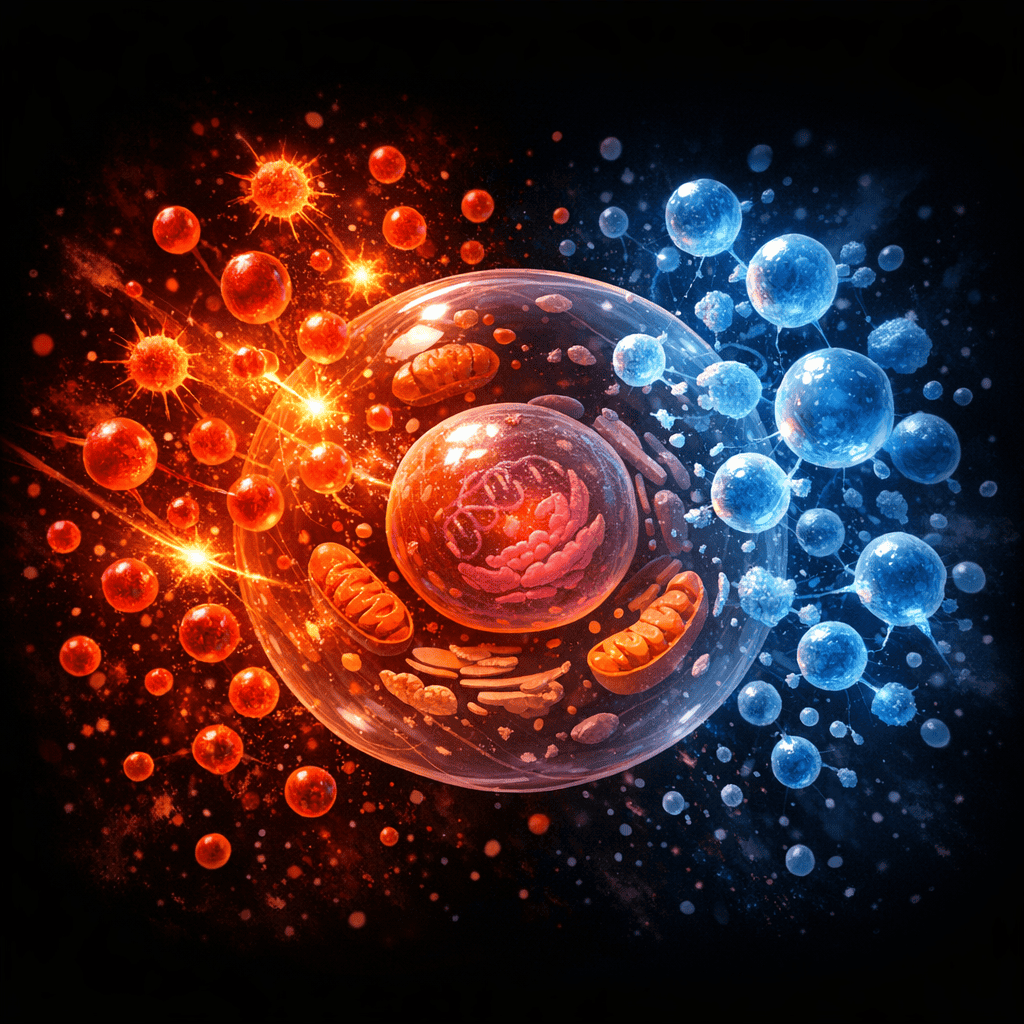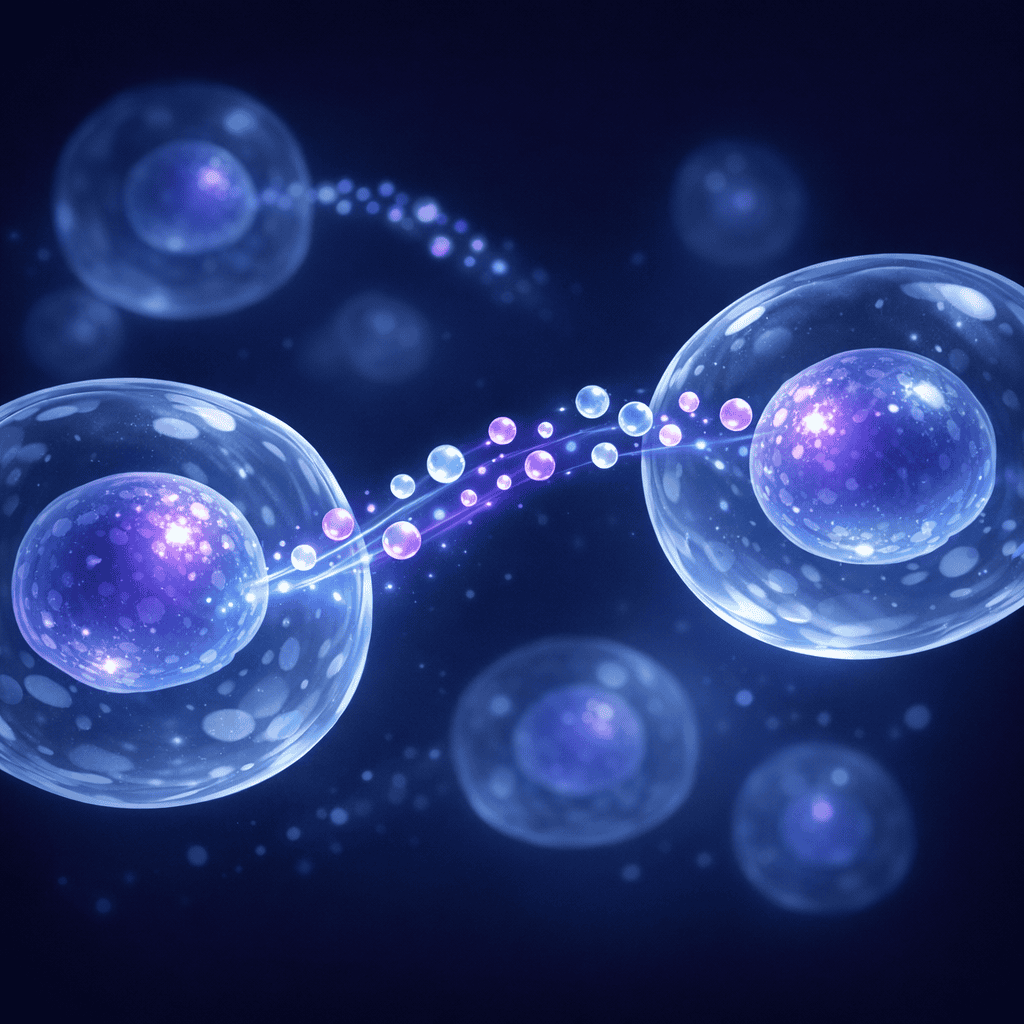
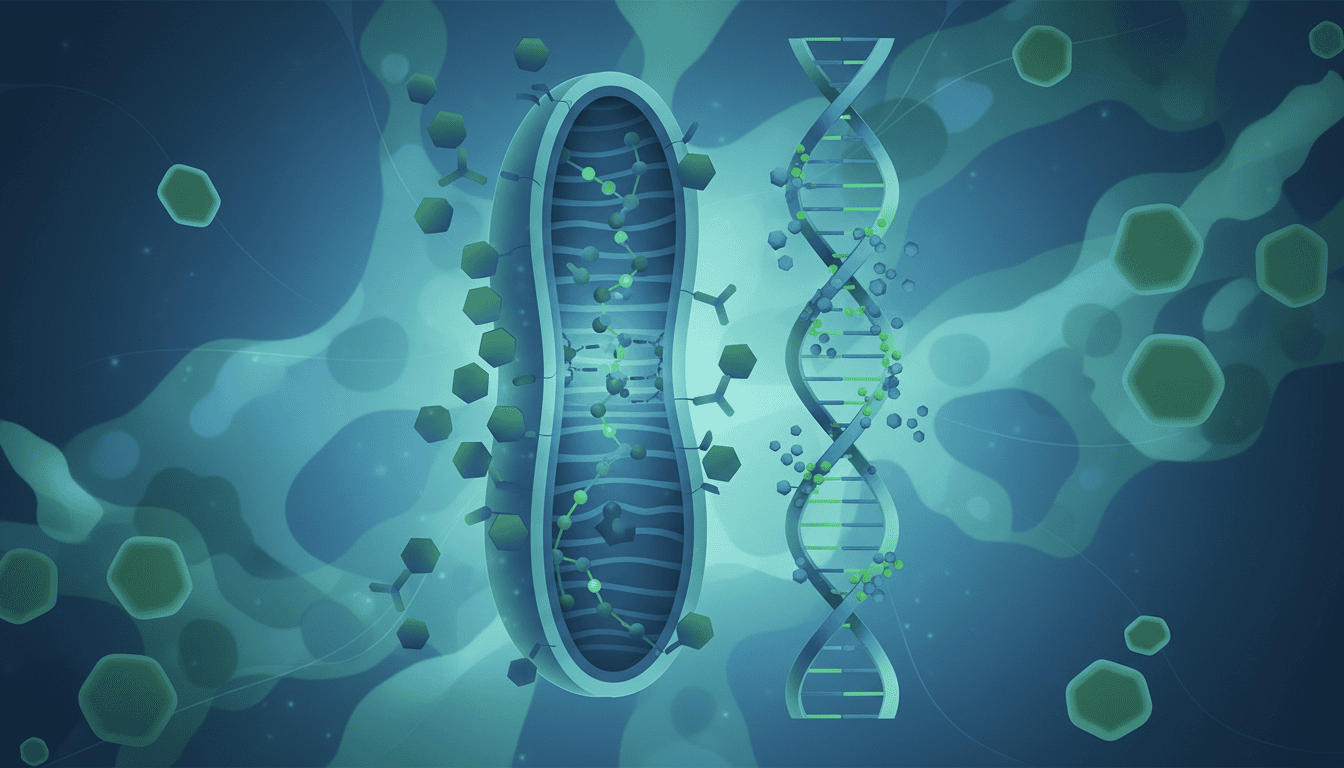
Your tap water might contain chemicals that won’t break down for thousands of years. These substances, called PFAS or “forever chemicals,” don’t just persist in the environment. They accumulate in your cells and interfere with the tiny powerhouses that keep you alive: your mitochondria. What’s more unsettling is that this damage doesn’t stop with you.
What are PFAS and mitochondrial interference
Per- and polyfluoroalkyl substances, or PFAS, are synthetic chemicals used in everything from non-stick cookware to firefighting foam. Their carbon-fluorine bonds are among the strongest in organic chemistry, making them virtually indestructible under normal environmental conditions. This same stability that makes them useful also makes them a problem once they enter living systems.
Mitochondria generate cellular energy by shuttling electrons through a series of protein complexes embedded in their inner membranes. This process, called oxidative phosphorylation, requires precise coordination between hundreds of proteins. PFAS chemicals disrupt this delicate machinery in several ways. They interfere with electron transport, alter membrane fluidity, and trigger oxidative stress that overwhelms cellular defences.
Unlike many toxins that cells can eventually break down and eliminate, PFAS persist indefinitely. They bind to proteins and accumulate in tissues, creating a chronic state of mitochondrial dysfunction that compounds over time.
What the research shows
Laboratory studies reveal how PFAS exposure impairs mitochondrial respiration within hours. Scientists measure oxygen consumption rates in isolated mitochondria exposed to various PFAS compounds. Even at concentrations found in contaminated drinking water, these chemicals reduce ATP production by 20-40%.
The generational effects are more striking. When pregnant mice drink PFAS-contaminated water, their offspring show mitochondrial dysfunction even when never directly exposed to the chemicals. These effects persist into the third generation. Researchers observe reduced mitochondrial DNA copy numbers, altered gene expression patterns, and impaired energy metabolism in cells from unexposed descendants.
Human epidemiological data supports these experimental findings. People living near PFAS contamination sites show elevated rates of metabolic disorders, cardiovascular disease, and other conditions linked to mitochondrial dysfunction. Blood levels of certain PFAS compounds correlate with markers of oxidative stress and reduced mitochondrial function.
The transgenerational transmission appears to occur through epigenetic mechanisms. PFAS exposure alters chemical modifications on DNA and associated proteins without changing the underlying genetic sequence. These modifications can be inherited, passing along altered gene expression patterns that affect mitochondrial function in subsequent generations.
Why cells need clean mitochondrial function
Mitochondria evolved from ancient bacteria that formed a symbiotic relationship with early cells over a billion years ago. This partnership allowed cells to extract far more energy from nutrients than was previously possible. Complex multicellular life, including humans, depends entirely on efficient mitochondrial function.
These organelles don’t just produce energy. They regulate cell death, calcium signalling, and metabolic pathways that control growth and reproduction. When mitochondria malfunction, cells struggle to meet their energy demands and lose the ability to respond appropriately to stress.
The generational effects make biological sense from an evolutionary perspective. Environmental stressors that persist across multiple generations would have represented serious threats to survival throughout evolutionary history. Cells developed mechanisms to “remember” these exposures and prepare offspring for similar challenges through epigenetic modifications.
Unfortunately, PFAS represent a novel class of persistent chemicals that didn’t exist during human evolution. The cellular defence mechanisms that might have been adaptive for natural environmental stressors become maladaptive when triggered by synthetic chemicals that never disappear.
What affects PFAS mitochondrial damage
The timing of exposure matters enormously. Developing organisms show greater vulnerability to PFAS-induced mitochondrial dysfunction than adults. Exposure during pregnancy, infancy, and adolescence creates more severe and longer-lasting effects than exposure in adulthood.
Different PFAS compounds vary in their potency and mechanisms of action. Longer-chain molecules like PFOA and PFOS tend to bioaccumulate more readily and cause more severe mitochondrial dysfunction than shorter-chain alternatives. However, even the newer “safer” PFAS replacements show mitochondrial toxicity at high enough concentrations.
Individual genetic variations influence susceptibility to PFAS-induced mitochondrial damage. People with certain genetic polymorphisms in detoxification enzymes or antioxidant systems show either increased or decreased sensitivity to these chemicals. Age also plays a role, with older adults showing greater vulnerability due to declining cellular repair mechanisms.
Nutritional status affects the severity of mitochondrial dysfunction. Deficiencies in nutrients like magnesium, B vitamins, and antioxidants worsen PFAS toxicity, while adequate nutrition provides some protection. Exercise and other lifestyle factors that normally support mitochondrial health may help offset some damage, though they cannot eliminate the effects entirely.
What remains unknown
Scientists are still working to understand exactly how PFAS crosses cellular membranes and accumulates in mitochondria. The specific transport mechanisms and binding sites remain unclear, making it difficult to predict which tissues will be most affected or to develop targeted interventions.
The precise epigenetic mechanisms underlying transgenerational effects need more investigation. Researchers have identified some of the modified genes and proteins involved, but the complete picture of how these changes persist across generations remains incomplete.
The threshold concentrations for different health effects are poorly defined. Most studies use relatively high experimental doses, making it challenging to determine safe exposure levels for the much lower concentrations typically found in drinking water. The cumulative effects of lifetime exposure to multiple PFAS compounds simultaneously also require more research.
Questions remain about reversibility. If PFAS exposure stops, can mitochondrial function recover? Can epigenetic modifications be reversed in subsequent generations? Some preliminary evidence suggests partial recovery is possible, but the timeline and extent remain uncertain.
PFAS contamination represents more than just another environmental pollutant. These chemicals reveal how human-made molecules can hijack fundamental cellular processes that evolved over billions of years. Understanding their effects on mitochondria offers a window into the intricate connections between environmental chemistry, cellular biology, and generational health. As researchers continue unravelling these mechanisms, they’re discovering that the true cost of forever chemicals extends far beyond the individuals directly exposed to them.

Matt Elliott is the editor of Redox News Today, an independent publication covering peer-reviewed research on cellular health, redox signalling, and related biomedical science.