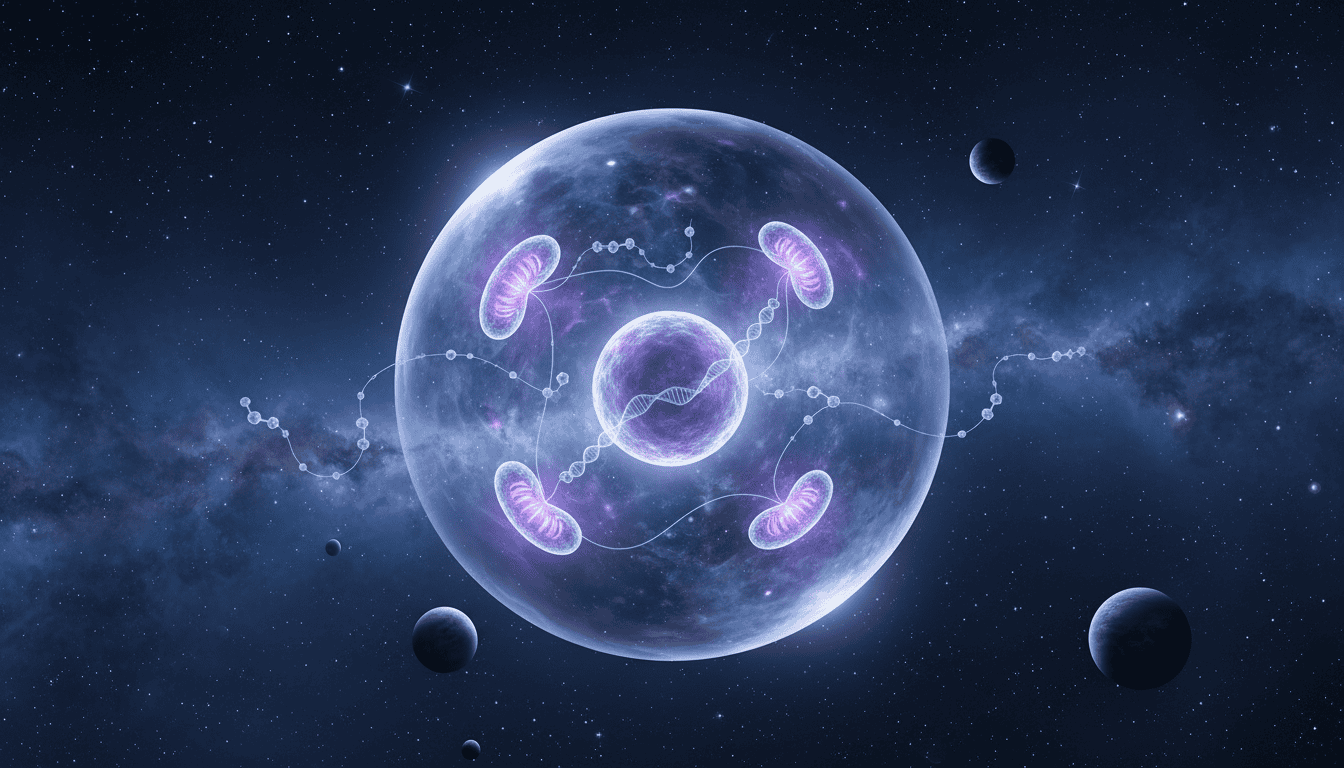
Your cells produce a tiny peptide called MOTS-c that most people have never heard of, yet it might be what keeps astronauts’ metabolism from completely falling apart during spaceflight. While NASA worries about bone loss and muscle wasting in zero gravity, researchers have discovered that this mitochondrial peptide works overtime to maintain cellular energy production when normal physics no longer applies.
What is MOTS-c
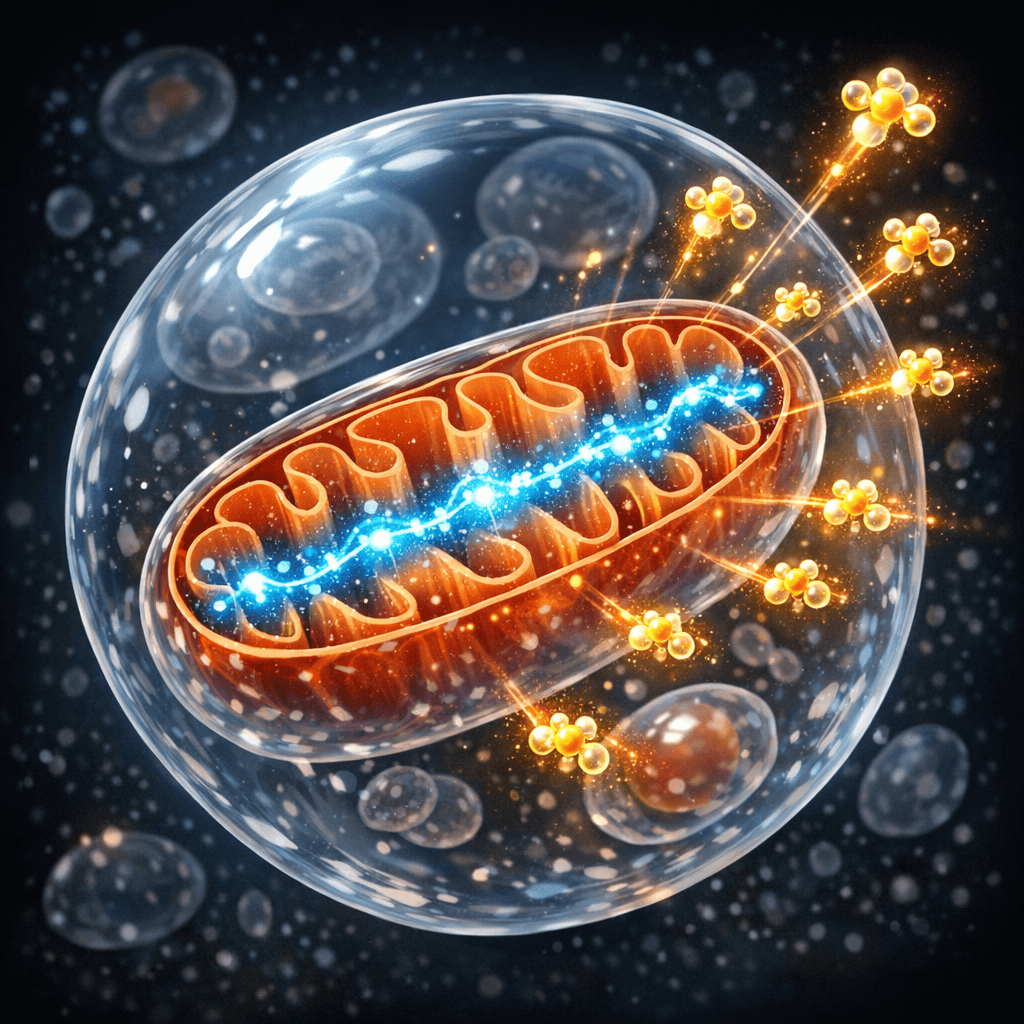
MOTS-c stands for mitochondrial open reading frame of the 12S rRNA-c, a 16-amino acid peptide that your mitochondria manufacture from their own DNA. Unlike most proteins that come from nuclear DNA, MOTS-c emerges directly from the mitochondrial genome. Think of it as mitochondria’s own molecular messenger.
This peptide acts like a metabolic coordinator. When cells face energy stress, MOTS-c travels from mitochondria to the nucleus, where it influences gene expression and helps redirect metabolism toward glucose utilisation. It essentially tells cells to switch fuel sources when their usual energy pathways get disrupted.
The peptide’s structure is remarkably simple for something so influential. Its small size allows it to move quickly between cellular compartments, carrying metabolic signals across membranes that larger molecules cannot cross easily.
What the research shows
Space-based studies reveal that MOTS-c production increases dramatically during microgravity exposure. Scientists observing cell cultures aboard the International Space Station found that mitochondria ramp up MOTS-c synthesis within hours of entering zero gravity.
The peptide appears to counteract many cellular energy problems that plague space travellers. Researchers documented how MOTS-c helps maintain insulin sensitivity when gravity disappears, preventing the glucose metabolism dysfunction that typically occurs during spaceflight. Cells treated with additional MOTS-c showed better energy production and less oxidative damage compared to untreated controls.
Ground-based simulations using rotating wall vessels to mimic microgravity confirmed these findings. Cells exposed to simulated weightlessness increased MOTS-c expression by up to 300 per cent within 24 hours. The peptide seemed to activate alternative metabolic pathways that kept cellular energy production stable despite the unusual conditions.
Perhaps most intriguingly, researchers found that MOTS-c levels in astronaut blood samples remained elevated for weeks after returning to Earth, suggesting the peptide continues working to restore normal metabolism long after the space stressor ends.
Why cells need this
Evolution did not prepare our cells for zero gravity, but it did equip them with flexible stress response systems. MOTS-c represents one of these ancient backup mechanisms. When normal cellular physics gets disrupted, cells need rapid metabolic adjustments to survive.
Gravity influences how mitochondria position themselves within cells and how they interact with other organelles. Remove gravity, and these spatial relationships change dramatically. MOTS-c helps coordinate the metabolic consequences of this cellular reorganisation.
The peptide also addresses oxidative stress that increases in space environments. Cosmic radiation and altered cellular mechanics both generate more reactive oxygen species than Earth-bound cells typically handle. MOTS-c activates pathways that help cells cope with this additional oxidative burden.
From an evolutionary perspective, MOTS-c likely developed to handle extreme terrestrial stresses like starvation, temperature extremes, or toxic exposures. Space simply presents a novel extreme that triggers these same ancient protective mechanisms.
What affects MOTS-c production
Age significantly impacts MOTS-c levels, with production declining as mitochondrial function deteriorates over time. Older astronauts show smaller increases in MOTS-c during spaceflight compared to younger crew members, which may partly explain why space stresses affect them more severely.
Physical fitness before spaceflight influences how robustly cells can increase MOTS-c production. Astronauts who maintain higher cardiovascular fitness show better MOTS-c responses and less metabolic dysfunction during missions. Exercise appears to prime mitochondria for more effective peptide synthesis.
Radiation exposure affects MOTS-c in complex ways. Low levels of cosmic radiation seem to stimulate peptide production, but higher doses can damage the mitochondrial DNA that encodes MOTS-c, reducing the cells’ ability to manufacture this protective molecule.
Diet and circadian rhythms also influence MOTS-c levels in space. The processed foods and irregular light cycles common during spaceflight can disrupt normal peptide production cycles, though targeted nutritional interventions may help optimise these pathways.
What remains unknown
Scientists still cannot predict which individuals will produce more MOTS-c in response to space stresses. Some astronauts show robust peptide responses while others barely increase production, but researchers have not identified reliable biomarkers that explain these differences.
The long-term consequences of elevated MOTS-c remain unclear. While short-term increases appear protective, no one knows whether chronic elevation might have negative effects or whether the peptide’s benefits persist throughout extended missions to Mars.
Researchers also struggle to understand exactly how MOTS-c coordinates with other stress response systems. The peptide clearly interacts with insulin signalling and oxidative stress pathways, but mapping these complex molecular networks requires much more work.
Perhaps most intriguingly, scientists have not determined whether MOTS-c production can be enhanced through interventions like specific exercises, dietary compounds, or environmental conditioning before spaceflight.
The discovery of MOTS-c in space research highlights how extreme environments reveal hidden aspects of cellular biology. This tiny peptide represents millions of years of evolutionary problem-solving, repurposed to help human cells survive in places they were never meant to go. As we push further into space, understanding these ancient molecular backup systems may prove essential for keeping human biology functioning beyond Earth.

Matt Elliott is the editor of Redox News Today, an independent publication covering peer-reviewed research on cellular health, redox signalling, and related biomedical science.