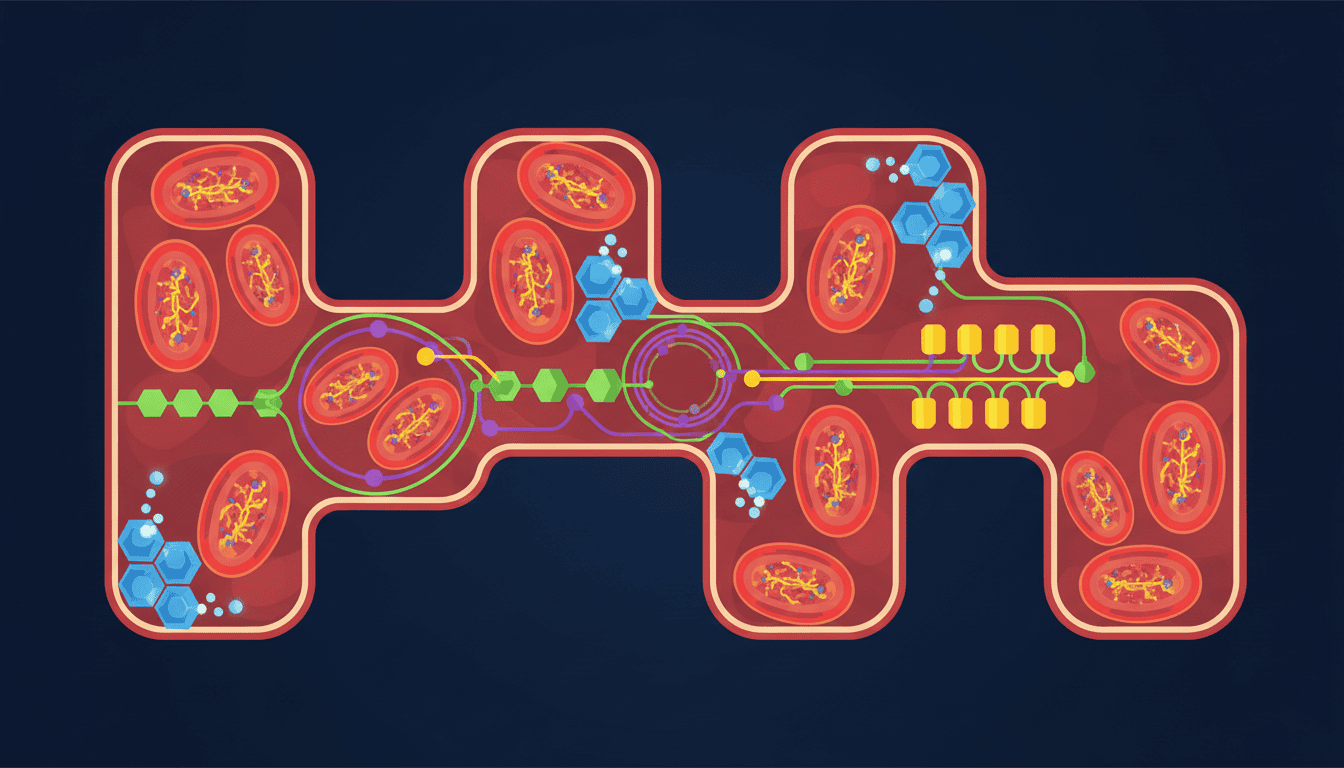
Your heart beats roughly 100,000 times every day, and each contraction demands an enormous surge of cellular energy. Unlike other muscles that can rest between contractions, heart muscle cells never get a break. They need their mitochondria to work at peak efficiency around the clock, adjusting energy production moment by moment to match the heart’s changing demands.
What is mitochondrial regulation in heart muscle
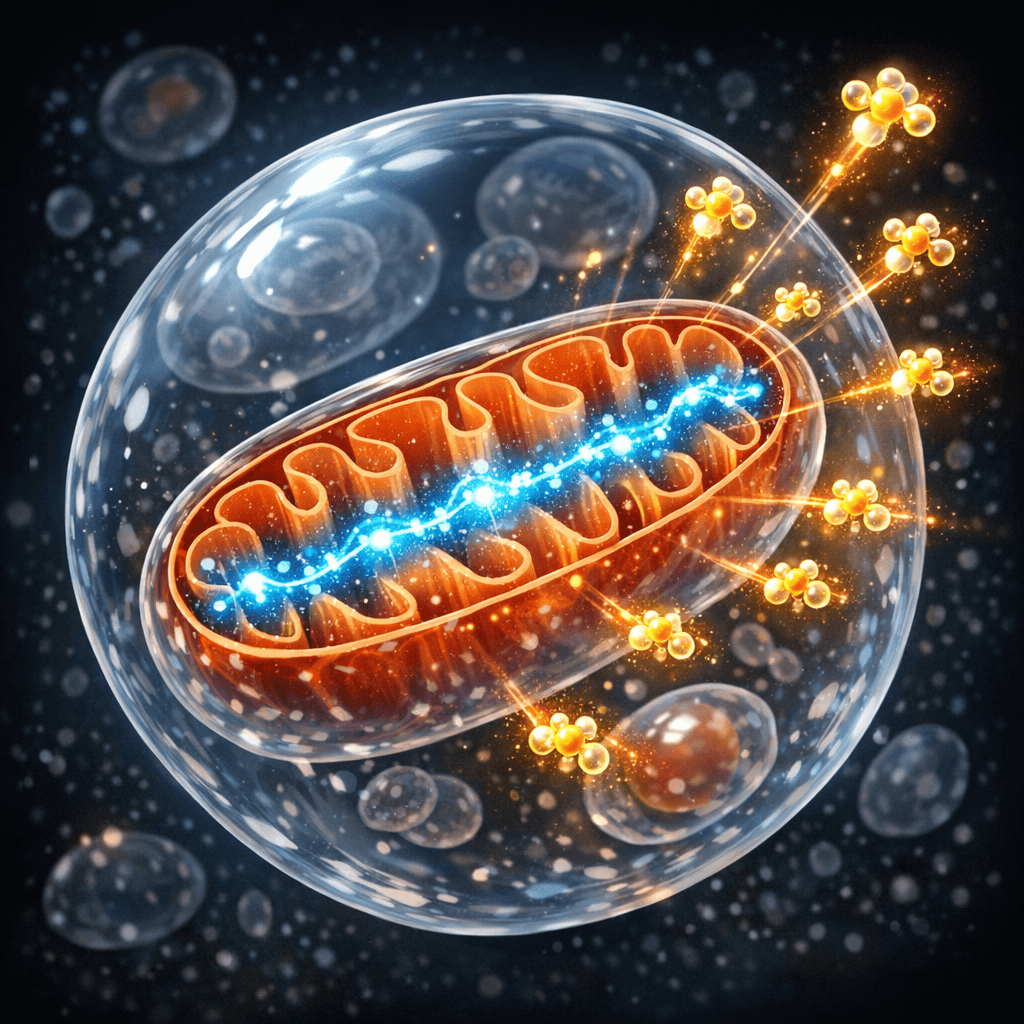
Mitochondria are often called cellular power plants, but in heart muscle cells they’re more like sophisticated energy management systems. These organelles don’t just churn out ATP at a constant rate. They respond to real-time signals about energy demand, oxygen availability, and cellular stress.
Heart muscle cells pack in more mitochondria than almost any other cell type. They occupy about 30% of the cell volume, compared to just 2% in typical cells. This density matters because the heart can’t afford energy shortages.
The regulation happens through multiple interconnected pathways. Calcium levels signal when the heart muscle is contracting and needs more energy. ADP levels indicate when cellular energy stores are running low. Oxygen sensors detect when blood flow changes. These signals converge on mitochondrial control systems that can ramp energy production up or down within seconds.
What the research shows
Scientists have mapped out several key regulatory mechanisms that heart muscle cells use to control their mitochondria. The most immediate involves calcium signalling. When heart muscle contracts, calcium floods into the cell and also enters the mitochondria through specific channels.
Inside mitochondria, this calcium activates three key enzymes in the energy production cycle. These enzymes speed up the breakdown of glucose and fats, increasing ATP output precisely when the muscle needs it most. The timing is remarkable. Mitochondrial energy production can increase threefold within 10 seconds of a calcium signal.
Researchers have also identified a master regulator called PGC-1α that controls mitochondrial numbers and quality. When heart muscle cells face sustained high energy demands, PGC-1α triggers the production of new mitochondria. This process, called mitochondrial biogenesis, can double the cell’s energy capacity over days to weeks.
Another regulatory system involves mitochondrial dynamics. These organelles constantly fuse together and split apart, changing their shape and networking patterns. During high energy demand, mitochondria form interconnected networks that distribute energy more efficiently throughout the cell.
Why cells need this control system
The heart’s energy demands fluctuate wildly. Resting cardiac muscle uses about 6 kg of ATP per day, but during intense exercise this can spike to 15 kg or more. Without precise regulation, mitochondria would either waste energy during rest periods or fail to meet peak demands.
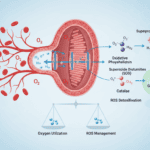
Energy efficiency is also critical for cell survival. Mitochondria produce reactive oxygen species as a byproduct of energy generation. Too much activity without proper regulation leads to oxidative damage that can kill heart muscle cells. The regulatory systems act as safety valves, matching energy production to actual needs.
Evolution has also shaped these systems for rapid response. Unlike skeletal muscle, which can recruit fresh muscle fibres during exercise, the heart must increase output using the same cells. This requires mitochondrial regulation that can respond to changing demands within heartbeats, not minutes.
What affects mitochondrial regulation
Age significantly impacts how well heart muscle cells regulate their mitochondria. Studies show that calcium signalling becomes less responsive in older hearts, while PGC-1α activity declines. This leads to reduced energy flexibility and lower peak cardiac output.
Physical fitness dramatically improves mitochondrial regulation. Regular exercise increases PGC-1α expression, leading to more mitochondria with better calcium responsiveness. Trained hearts show more efficient energy production and better stress tolerance.
Diet also influences these regulatory systems. High-fat diets can impair calcium signalling pathways, while caloric restriction tends to enhance PGC-1α activity. The availability of different fuel sources affects which regulatory pathways are most active.
Environmental factors like oxygen levels and temperature impact mitochondrial control systems. Heart muscle cells exposed to low oxygen develop enhanced regulatory sensitivity, allowing them to extract more energy from limited oxygen supplies.
What remains unknown
Scientists are still working out how mitochondrial regulation differs between various regions of the heart. The left ventricle pumps blood to the entire body and may have different regulatory patterns than the right ventricle, which only serves the lungs.
The role of mitochondrial communication networks remains unclear. These organelles appear to coordinate their activity across the entire cell, but researchers don’t fully understand the signalling mechanisms involved.
Another puzzle involves individual variation. Some people maintain excellent mitochondrial regulation well into old age, while others show early decline. The genetic and lifestyle factors that determine these differences are not well characterised.
The relationship between mitochondrial regulation and cardiac disease is also being explored. Do regulatory failures cause heart problems, or do heart problems disrupt regulation? The answer likely involves both, but the specific mechanisms remain under investigation.
Understanding how heart muscle cells control their energy factories reveals the remarkable precision of cellular biology. These regulatory systems represent millions of years of evolutionary refinement, creating energy management capabilities that put human engineering to shame. As researchers continue mapping these pathways, they’re uncovering fundamental principles about how cells balance energy supply and demand under the most demanding conditions in the human body.

Matt Elliott is the editor of Redox News Today, an independent publication covering peer-reviewed research on cellular health, redox signalling, and related biomedical science.