Your lungs don’t just handle oxygen and carbon dioxide. They’re constantly packaging molecular messages into tiny bubbles called exosomes and shipping them through your bloodstream to your brain. These cellular care packages carry instructions about iron levels, and your neurons are listening.
What are pulmonary exosomes
Exosomes are nanoscale bubbles that cells release into circulation. Think of them as molecular courier services. Your lung cells fill these microscopic spheres with proteins, RNA molecules, and other cellular cargo, then release them into your bloodstream where they travel throughout your body.
Pulmonary exosomes originate from various lung cell types. Epithelial cells lining your airways produce them. So do alveolar macrophages, the immune cells that patrol your lung tissue for threats. Each cell type loads its exosomes with different molecular cargo, creating distinct signalling profiles.
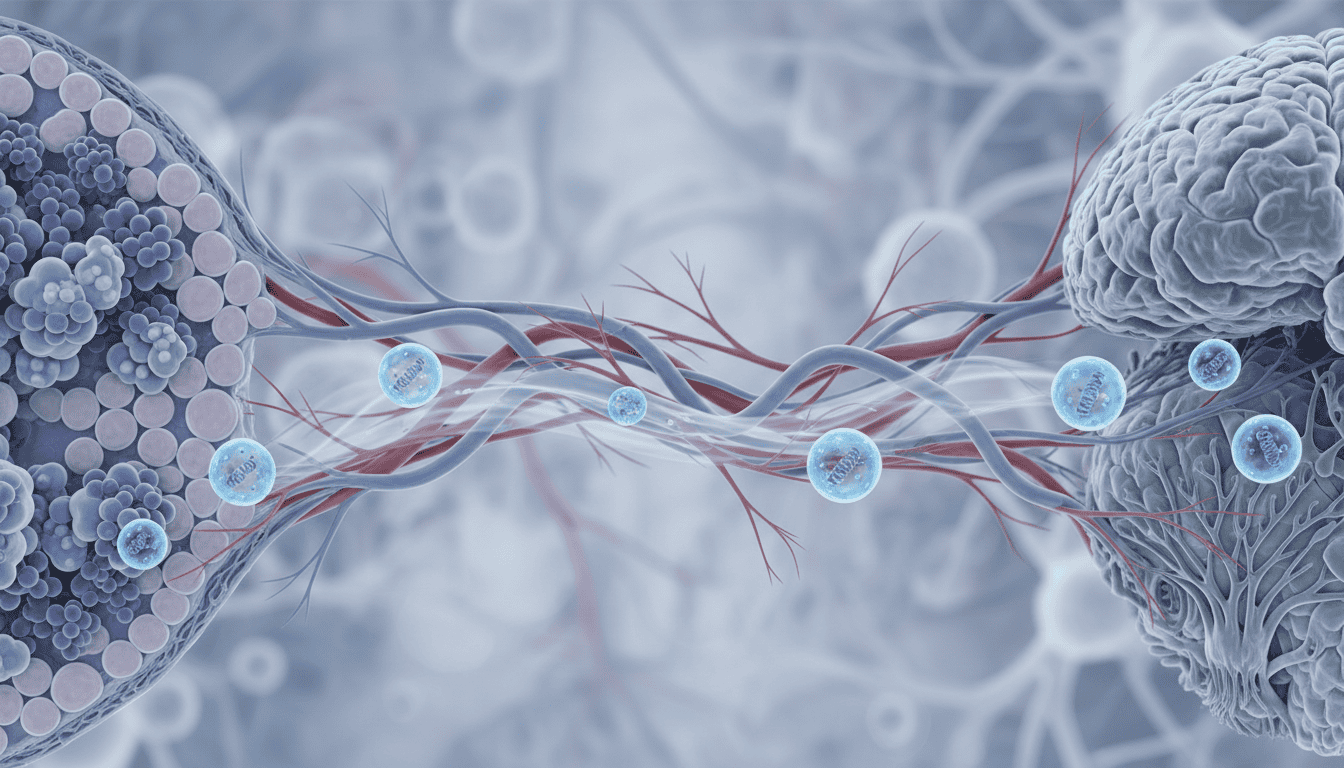
Once released, these exosomes navigate your circulatory system with remarkable precision. They carry surface proteins that help them recognise and bind to specific target cells. When lung exosomes reach neurons, they fuse with neuronal membranes and deliver their contents directly into brain cells.
What the research shows
Scientists have discovered that pulmonary exosomes carry specific molecules that influence how neurons handle iron. These tiny messengers transport proteins involved in iron metabolism, including transferrin receptors and ferroportin, the main iron export protein.
Researchers observed that when lung cells experience oxidative stress, they alter the cargo loaded into their exosomes. Stressed pulmonary cells pack more iron regulatory proteins and antioxidant enzymes into these cellular packages. The exosomes also carry microRNAs that can modify gene expression in neurons once delivered.
Laboratory studies show that neurons receiving these lung derived exosomes adjust their iron handling accordingly. Brain cells increase production of ferritin, an iron storage protein, when they receive exosomes from oxidatively stressed lung tissue. They also boost antioxidant defences, particularly enzymes that neutralise reactive oxygen species.
The communication appears bidirectional. Neurons also release exosomes that can influence lung cell behaviour, creating a feedback loop between these distant organ systems.
Why cells need this communication
Iron presents a metabolic paradox. Cells need it for essential processes like oxygen transport and energy production, but excess iron generates dangerous reactive oxygen species through the Fenton reaction. Your lungs face constant oxidative challenges from inhaled pollutants and pathogens, making them early sensors of oxidative stress.
This lung to brain signalling system likely evolved as an early warning network. When your lungs detect environmental threats that increase oxidative burden, they alert your brain cells to prepare their iron defences. Neurons can then adjust iron storage and antioxidant production before oxidative damage accumulates.
The system makes evolutionary sense. Your lungs serve as environmental sensors, constantly sampling air quality and detecting potential threats. By sharing this information with your brain through exosomal signalling, your body can coordinate systemic responses to oxidative challenges.
Iron dysregulation contributes to neuronal death in various brain disorders. A communication system that helps neurons maintain iron homeostasis could provide significant survival advantages, particularly in environments with high oxidative stress.
What affects pulmonary exosome signalling
Air pollution dramatically alters the molecular cargo that lung cells pack into exosomes. Exposure to particulate matter increases the number of exosomes released and changes their protein content. Urban air pollution appears to shift exosomal signalling toward pro inflammatory messages.
Cigarette smoke has profound effects on pulmonary exosome production. Smoking increases exosome release from lung epithelial cells and macrophages. The exosomes from smoke exposed lung tissue carry more inflammatory proteins and fewer protective molecules.
Age influences this communication system. Older adults show changes in both exosome production and cellular responses to exosomal signals. Lung cells from aged tissue release fewer exosomes, and the ones they do produce carry different molecular cargo compared to younger cells.
Respiratory infections alter exosomal signalling patterns. Viral and bacterial lung infections change both the quantity and quality of exosomes released by pulmonary cells. These infection related changes can persist for weeks after the initial illness resolves.
Exercise modifies pulmonary exosome profiles. Physical activity increases exosome release from lung tissue and appears to shift their cargo toward protective, anti inflammatory molecules.
What remains unknown
Scientists still don’t fully understand how exosomes navigate to specific target cells with such precision. The surface proteins that guide exosomal targeting remain incompletely characterised. Researchers are working to map these molecular addressing systems.
The timing of exosomal communication raises questions. How quickly do lung derived signals reach brain cells? Do neurons respond immediately to exosomal messages, or do they integrate signals over time before adjusting iron metabolism?
Individual variation in exosomal signalling needs investigation. People likely differ in their ability to produce and respond to these cellular messages. Genetic factors probably influence both exosome production and neuronal sensitivity to exosomal signals.
The role of other organ systems in this communication network remains unclear. Do liver cells, kidney cells, or other tissue types also send iron related messages to neurons through exosomes? The full map of inter organ exosomal communication is still being drawn.
Long term consequences of disrupted exosomal signalling are unknown. What happens to neuronal iron balance when lung to brain communication breaks down? How might chronic disruption of this system contribute to neurological disorders?
This research reveals how your organs talk to each other through molecular messages carried in microscopic packages. Your lungs aren’t just breathing organs but sophisticated environmental sensors that keep your brain informed about the oxidative challenges you face. Understanding these cellular conversations opens new perspectives on how distant parts of your body coordinate responses to environmental threats.

Matt Elliott is the editor of Redox News Today, an independent publication covering peer-reviewed research on cellular health, redox signalling, and related biomedical science.