The prickly pear cactus survives in some of Earth’s harshest environments, enduring scorching sun and minimal water for months. Its cells have evolved an arsenal of protective compounds that keep cellular machinery running smoothly under extreme oxidative stress. Scientists studying these resilient plants have discovered how specific molecules in prickly pear interact with our own cellular defence systems.
What is prickly pear’s cellular protection system
Prickly pear cacti produce a diverse collection of bioactive compounds to survive desert conditions. The most studied are betalains, which give the fruit its vibrant red and purple colours, and a range of polyphenolic compounds concentrated in both the pads and fruit. These molecules act like molecular shields.
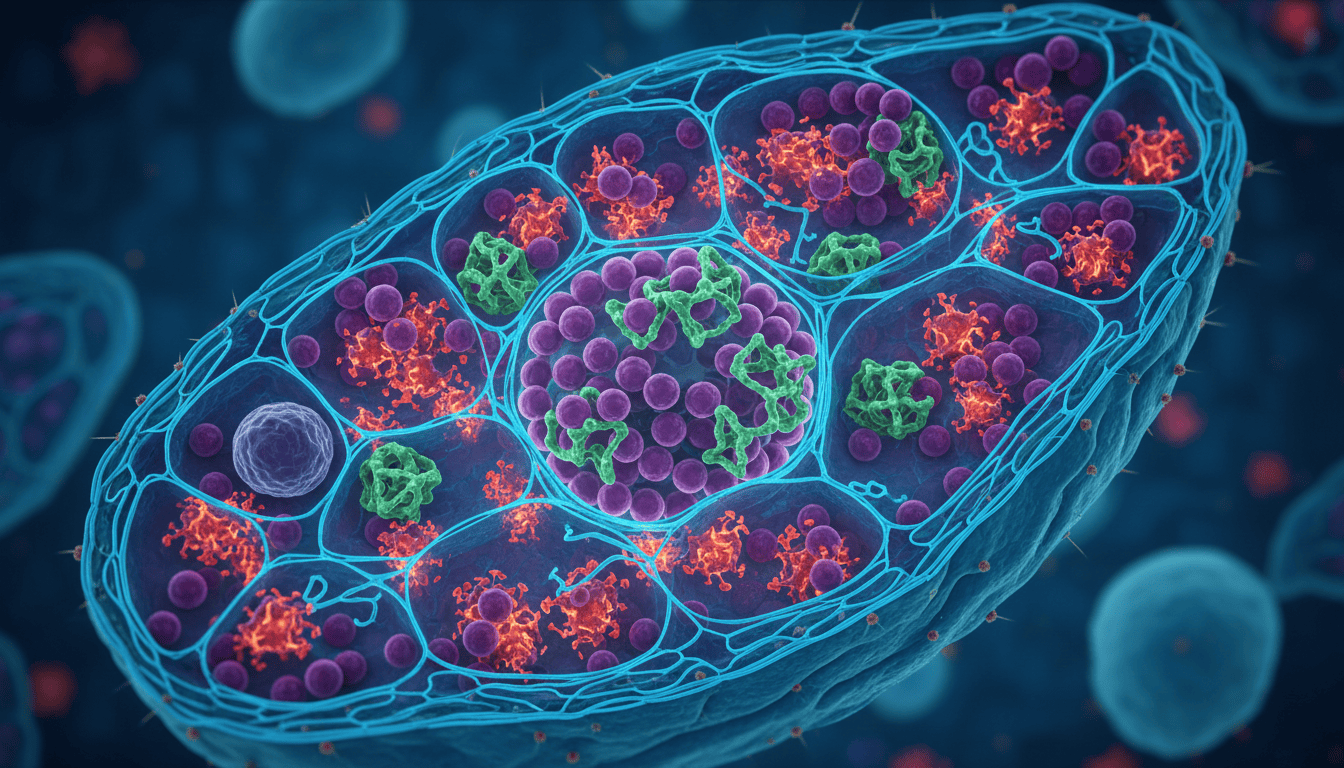
When ultraviolet radiation hits prickly pear cells, it generates reactive oxygen species that could damage DNA and proteins. The plant’s betalains absorb this energy and neutralise the free radicals before they cause harm. Polyphenols work differently, binding to metal ions that could otherwise catalyse more oxidative damage. Together, these compounds create multiple layers of protection.
The cactus also produces complex polysaccharides and mucilage compounds that help cells retain water and maintain membrane stability. This biochemical toolkit allows prickly pear to thrive where other plants would quickly die from oxidative stress.
What the research shows
Laboratory studies reveal how prickly pear compounds interact with human cellular pathways. When researchers expose cultured cells to oxidative stress and then treat them with prickly pear extracts, several measurable changes occur.
The betalains directly scavenge free radicals in test tubes, but their effects go beyond simple antioxidant activity. These compounds appear to activate the NRF2 pathway, a master regulator of cellular stress response. When NRF2 switches on, it triggers production of the cell’s own antioxidant enzymes like glutathione peroxidase and catalase.
Prickly pear polyphenols show different effects on cellular metabolism. Studies using isolated mitochondria demonstrate that certain compounds can improve electron transport chain efficiency, potentially reducing the leakage of electrons that creates superoxide radicals. Other research suggests these compounds may influence glucose metabolism pathways, though the mechanisms remain unclear.
Cell culture experiments also show that prickly pear extracts can reduce inflammatory signalling molecules like nuclear factor kappa B. This suggests the compounds don’t just fight oxidative stress directly but may also reduce the cellular processes that generate it in the first place.
Why cells need this protection
Every cell in your body generates reactive oxygen species as a normal part of metabolism. Mitochondria produce them during energy production, immune cells use them as weapons against pathogens, and even basic cellular signalling involves controlled oxidative reactions. The challenge is keeping this chemistry under control.
Cells maintain elaborate antioxidant defence networks because unchecked oxidative stress damages everything from DNA bases to protein structures to lipid membranes. Too much oxidative stress and cells die. Too little and cellular signalling breaks down. Evolution has fine tuned this balance over millions of years.
Plants face a particular challenge because photosynthesis inherently generates reactive oxygen species when light energy splits water molecules. Desert plants like prickly pear have pushed these protective systems to extremes, developing compounds that can handle oxidative loads that would overwhelm most organisms. These same molecules can interact with human cellular defence systems because the underlying biochemistry is conserved across species.
What affects prickly pear compound activity
The concentration and type of bioactive compounds in prickly pear varies dramatically based on growing conditions. Plants exposed to more intense sunlight produce higher levels of betalains and polyphenols. Water stress also increases compound production, as does soil mineral content.
Processing methods significantly affect compound stability. Heat destroys many betalains, while some polyphenols become more bioavailable after mild heating. Freezing can rupture cell walls and release bound compounds, but extended storage degrades others.
In laboratory studies, the pH of the testing environment influences how these compounds behave. The acidic environment of the stomach may alter their structure before they reach cells, while individual genetic differences in metabolism likely affect how people process these molecules. Age also matters, as older adults show different patterns of antioxidant enzyme activity that could influence how prickly pear compounds interact with existing cellular defences.
What remains unknown
Most research on prickly pear compounds happens in test tubes or cell cultures, which don’t capture the complexity of whole organism metabolism. Scientists still don’t know how much of these compounds actually reach human cells after digestion, or how long they remain active in the body.
The interaction between different prickly pear compounds remains poorly understood. Betalains and polyphenols may work synergistically, or they might compete for the same cellular targets. Research hasn’t determined optimal ratios or identified which specific molecules drive the observed effects.
Perhaps most importantly, scientists don’t yet understand how prickly pear compounds integrate with the body’s existing antioxidant networks. Do they supplement natural defences or potentially interfere with them? The cellular signalling cascades involved are incredibly complex, and researchers are still mapping how external compounds influence these pathways.
The study of how desert plants protect their cells offers a window into fundamental questions about oxidative stress and cellular resilience. As researchers continue mapping these molecular interactions, they’re uncovering principles that apply far beyond any single plant species. Understanding how cells maintain oxidative balance under extreme conditions reveals the sophisticated chemistry that keeps all living systems functioning, from cactus pads to human neurons.

Matt Elliott is the editor of Redox News Today, an independent publication covering peer-reviewed research on cellular health, redox signalling, and related biomedical science.