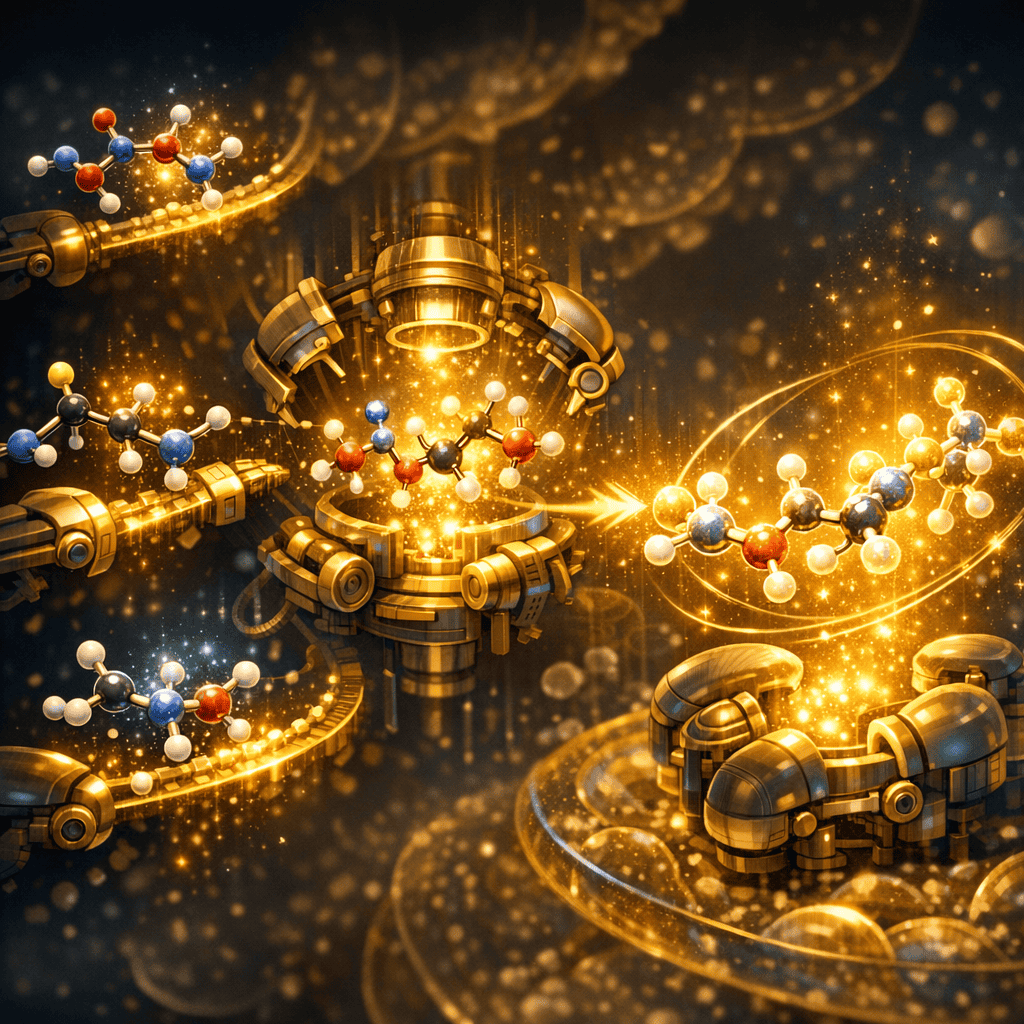
If glutathione is the master antioxidant, then understanding how your body actually makes it is essential knowledge. The synthesis pathway reveals why oral glutathione supplements are largely ineffective, why certain nutrients and lifestyle factors matter so much and why the NRF2 pathway sits at the centre of your body’s antioxidant defence strategy.
The Two Step Assembly Process
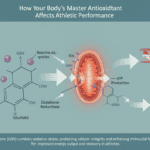
Glutathione is a tripeptide, a molecule built from three amino acids: glutamate, cysteine and glycine. Your cells assemble it in two sequential steps, each catalysed by a specific enzyme.
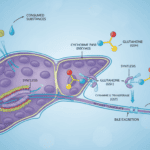
In the first step, the enzyme gamma glutamylcysteine ligase (GCL) joins glutamate and cysteine together to form gamma glutamylcysteine. This is the rate limiting step, meaning it is the slowest part of the process and therefore controls the overall speed of glutathione production. If GCL is not active enough or if the raw materials are not available, the entire production line slows down.
In the second step, the enzyme glutathione synthetase adds glycine to the gamma glutamylcysteine dipeptide, completing the tripeptide. This step is generally faster and less likely to be the bottleneck.
The finished glutathione molecule is then available for use in neutralising reactive oxygen species, supporting detoxification reactions, regenerating other antioxidants like vitamins C and E and maintaining immune cell function.
The GCL Enzyme: Where NRF2 Comes In
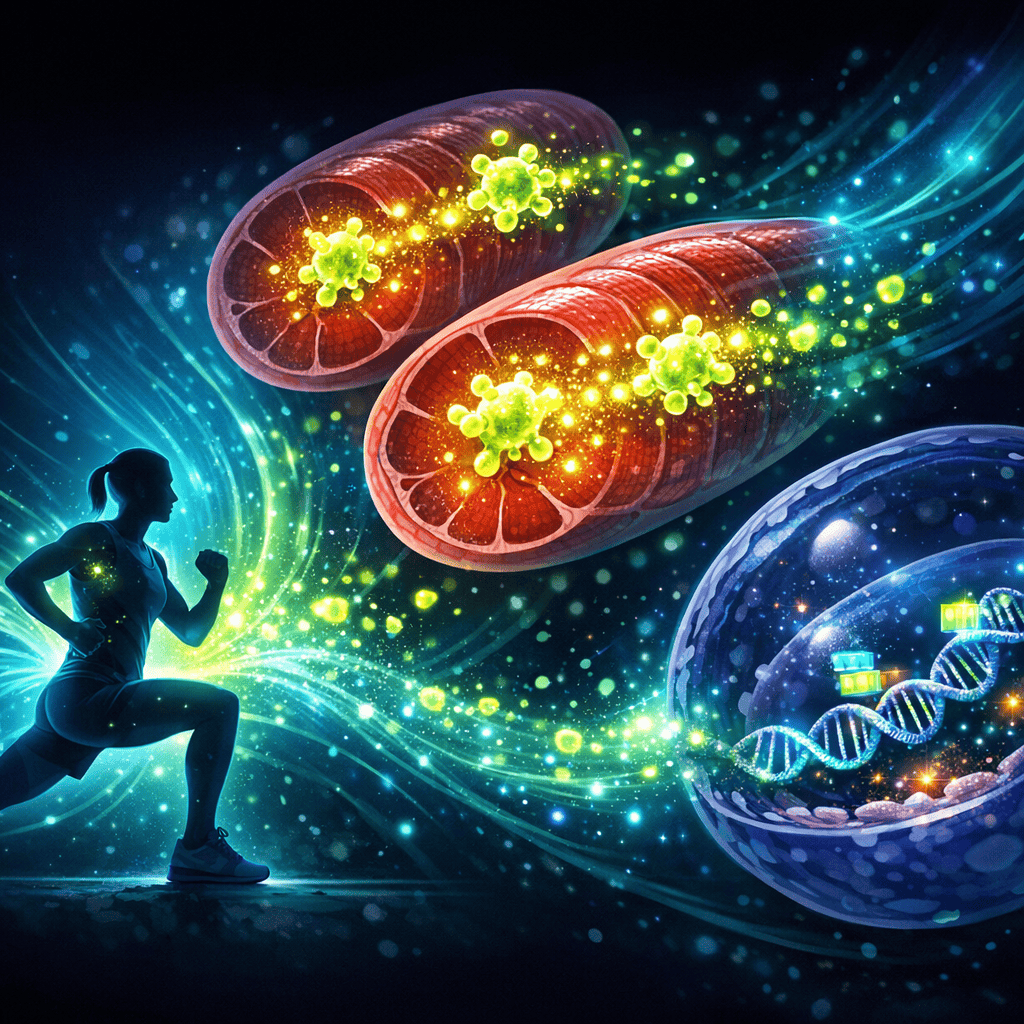
The gene that encodes GCL is one of the more than 200 genes that NRF2 activates when it enters the cell nucleus. This is the critical connection. When your cells detect oxidative stress through redox signalling, NRF2 is released from KEAP1, translocates to the nucleus and switches on the GCL gene. More GCL means faster glutathione assembly. More glutathione means better management of oxidative balance.
This is why NRF2 pathway health is so directly tied to glutathione levels. If NRF2 activation declines with age, GCL expression decreases, and glutathione production falls. The 40 to 55 percent decline in glutathione documented in older adults is driven in significant part by declining NRF2 responsiveness.
Why Oral Glutathione Falls Short
Given glutathione’s importance, the obvious question is: why not just take it as a supplement? The answer lies in your digestive system.
When you swallow glutathione, the enzymes in your stomach and small intestine break the tripeptide apart into its component amino acids: glutamate, cysteine and glycine. These individual amino acids are then absorbed, but they must be reassembled into glutathione inside your cells using the two step process described above. Very little intact glutathione survives digestion to reach your bloodstream in usable form.
Liposomal glutathione formulations, which encapsulate the molecule in fat bubbles to protect it from digestion, show somewhat improved absorption in some studies. N-acetylcysteine (NAC) is another approach, providing the cysteine building block directly and bypassing part of the assembly problem. But the fundamental point remains: your body’s internal production of glutathione through the GCL pathway is far more important than any external supplementation strategy.
Supporting the Production Line
Understanding the synthesis pathway points to clear strategies for supporting glutathione production.
First, maintain NRF2 pathway health. Regular exercise is one of the most potent NRF2 activators. Dietary compounds like sulforaphane, curcumin and EGCG also activate the pathway. These approaches increase GCL expression and accelerate the rate limiting step.
Second, ensure adequate supply of the building block amino acids. Cysteine is typically the limiting nutrient because it is less abundant in the diet than glutamate or glycine. Sulphur rich foods including cruciferous vegetables, garlic, onions, eggs and quality protein sources provide the cysteine your cells need.
Third, protect existing glutathione from unnecessary depletion. Reducing exposure to environmental toxins (alcohol, air pollution, pesticides, heavy metals) reduces the rate at which your glutathione stores are consumed in detoxification reactions.
Fourth, prioritise quality sleep. Glutathione replenishment is an active process during rest, and sleep deprivation impairs the restoration cycle.
The Recycling System
Your body does not just produce glutathione. It also recycles it. When glutathione neutralises a reactive oxygen species, it becomes oxidised (GSSG). The enzyme glutathione reductase then converts oxidised glutathione back to its active, reduced form (GSH) using electrons from NADPH. This recycling system means that each glutathione molecule can be used multiple times before being broken down.
The ratio of reduced (GSH) to oxidised (GSSG) glutathione is itself a measure of cellular redox balance. A healthy cell maintains a high GSH to GSSG ratio. When this ratio shifts toward the oxidised form, it indicates that the cell’s antioxidant capacity is being overwhelmed.
Building From the Inside
The glutathione synthesis pathway is a perfect example of why supporting your body’s internal systems is more effective than trying to supply the finished product from outside. The machinery is already there. It just needs the right signals, the right raw materials and the right conditions to operate at full capacity. That is where lifestyle meets molecular biology, and where understanding the science translates into actionable strategies for maintaining cellular health.

Matt Elliott is the editor of Redox News Today, an independent publication covering peer-reviewed research on cellular health, redox signalling, and related biomedical science.