Your liver processes roughly 1.4 litres of blood every minute, filtering toxins, medications, alcohol, and metabolic waste products around the clock. At the centre of this relentless chemical processing sits glutathione, a tripeptide molecule that acts as both shield and sword in your liver’s defence against harmful compounds.
What is glutathione’s role in liver detoxification
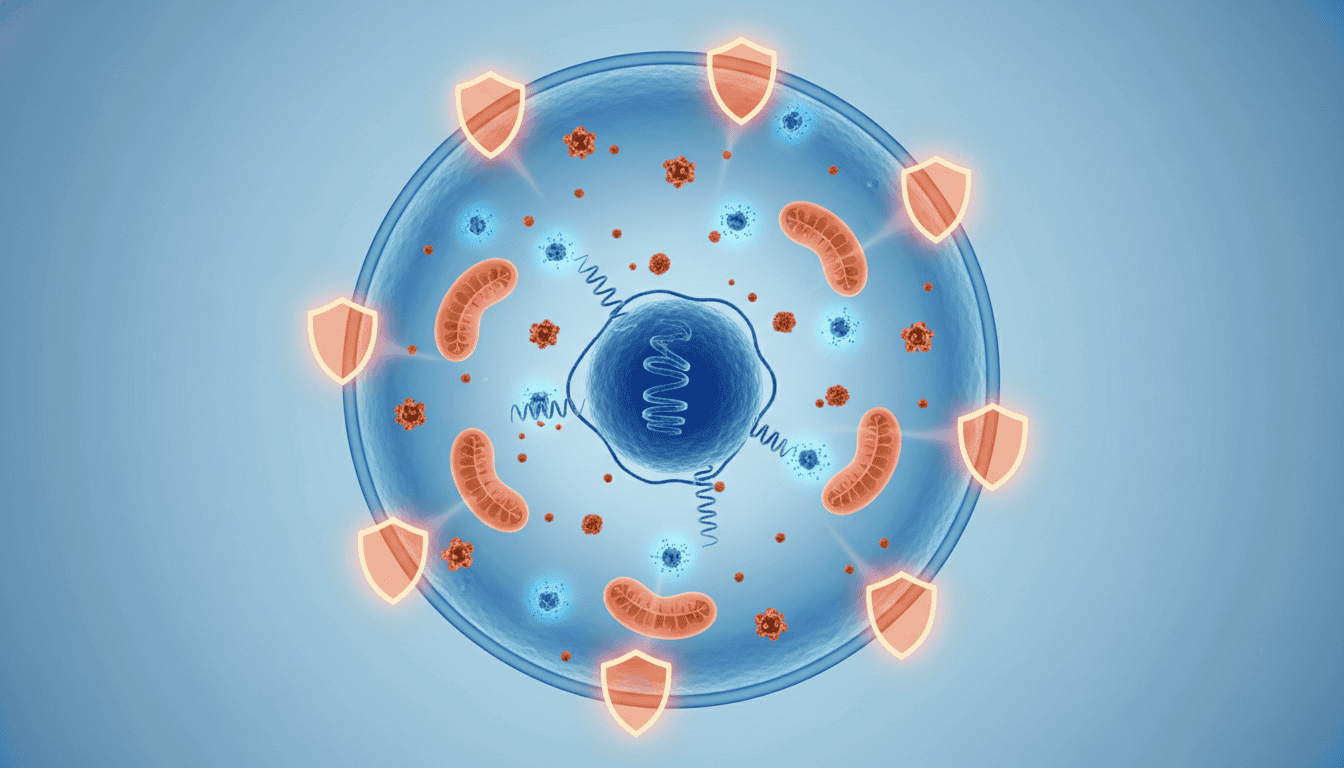
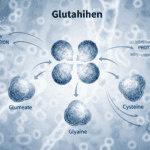
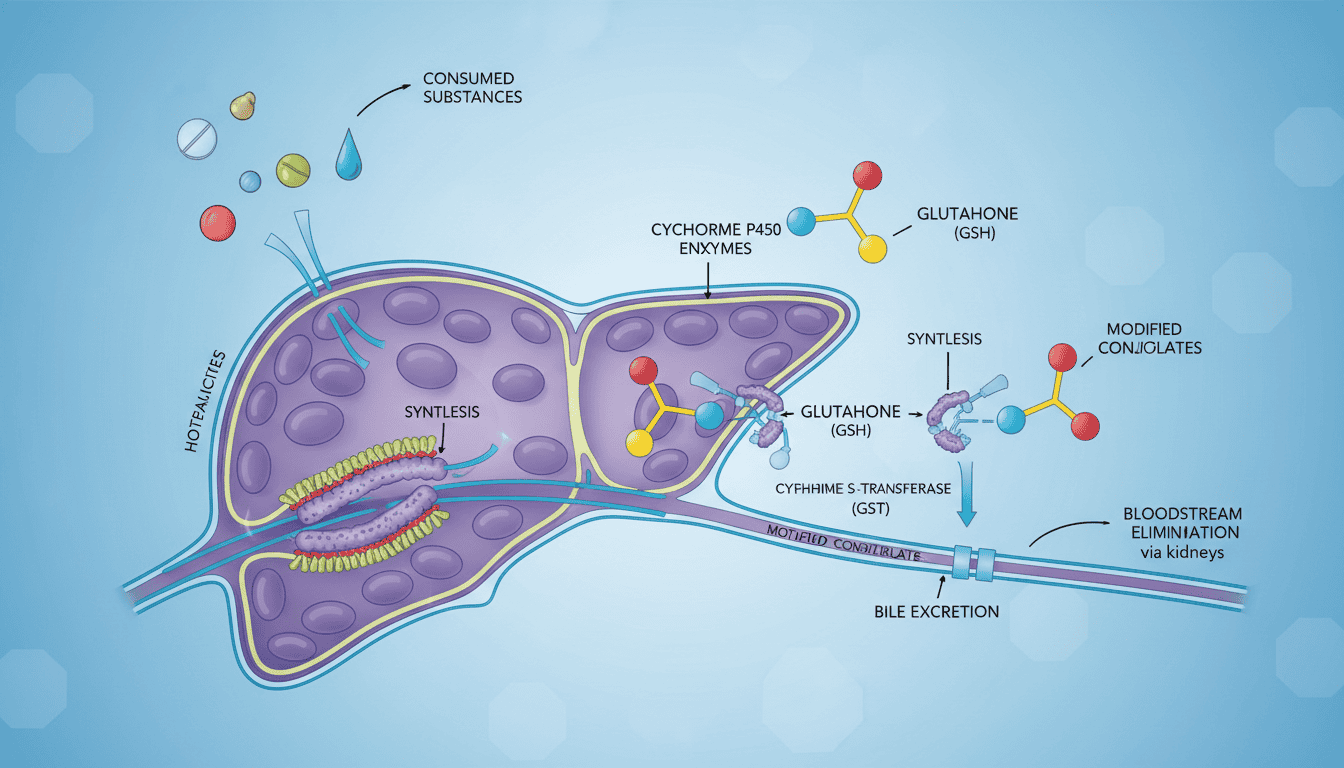
Glutathione functions as the liver’s primary antioxidant and detoxification agent. This small molecule, made from three amino acids (glutamate, cysteine, and glycine), works through two main pathways in liver cells.
First, it directly neutralises reactive oxygen species and free radicals that form when liver enzymes break down toxins. Think of it as a chemical fire extinguisher, dousing the sparks that could otherwise damage cellular components. Second, glutathione conjugates with toxins through a process called Phase II detoxification.
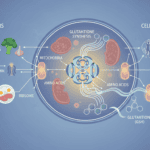
During conjugation, liver enzymes called glutathione S-transferases attach glutathione molecules to toxic compounds, making them water-soluble and easier to excrete. The liver cell essentially tags the toxin with glutathione like a postal code, directing it toward elimination pathways. Once conjugated, these compounds can be safely transported out of liver cells and eliminated through bile or urine.
Hepatocytes, the liver’s main working cells, contain some of the highest concentrations of glutathione in the body. They need this abundance because they’re constantly exposed to potentially damaging compounds as they filter blood from the digestive system.
What the research shows
Studies consistently demonstrate that glutathione depletion correlates with reduced liver function and increased susceptibility to toxin-induced damage. When researchers artificially deplete glutathione in laboratory models, liver cells become dramatically more vulnerable to oxidative stress and toxin accumulation.
Alcohol metabolism research reveals how quickly glutathione stores can become overwhelmed. As liver enzymes convert alcohol to acetaldehyde, they generate reactive oxygen species that consume glutathione rapidly. When glutathione levels drop below critical thresholds, acetaldehyde and other toxic metabolites begin accumulating, leading to cellular damage.
Paracetamol toxicity studies provide another clear example. At therapeutic doses, the liver easily conjugates paracetamol metabolites with glutathione for safe elimination. But overdoses deplete glutathione stores within hours, allowing toxic metabolites to bind directly to liver proteins and trigger cell death.
Research on chronic liver conditions shows consistently reduced glutathione levels across different disease states. Whether examining fatty liver disease, hepatitis, or cirrhosis, scientists observe both decreased glutathione synthesis and increased consumption, creating a cycle where the liver becomes less able to protect itself from ongoing damage.
Why cells need this defence system
The liver’s position in human anatomy makes its glutathione system essential for survival. Blood from the intestines flows directly to the liver before circulating to the rest of the body, meaning liver cells encounter absorbed toxins, dietary compounds, and bacterial products before any other organ.
Evolution preserved this glutathione-based detoxification system because it provides both specificity and capacity. Unlike some antioxidant systems that work against particular types of damage, glutathione can neutralise a broad spectrum of reactive compounds. The conjugation system handles everything from plant alkaloids to industrial chemicals, giving humans the flexibility to survive in varied chemical environments.
The system also provides a buffer against metabolic fluctuations. When you eat a large meal, your liver works harder to process nutrients and waste products, generating more oxidative stress. Glutathione levels can temporarily decrease during these periods of high activity, then recover as metabolic demands subside.
This regenerative capacity distinguishes glutathione from other antioxidants. While vitamin C or vitamin E get consumed when they neutralise free radicals, glutathione can be recycled back to its active form through enzymatic processes, making it a sustainable defence mechanism.
What affects glutathione levels in the liver
Age significantly impacts liver glutathione synthesis and recycling. Older adults show decreased activity of glutathione-producing enzymes and reduced efficiency in regenerating oxidised glutathione back to its active form. This age-related decline partly explains why older individuals often show increased sensitivity to medications and alcohol.
Chronic alcohol consumption depletes glutathione through multiple mechanisms. Regular drinking not only consumes glutathione during alcohol metabolism but also impairs the enzymes responsible for glutathione synthesis. Heavy drinkers often show glutathione levels 50-80% below normal ranges.
Nutritional status directly affects glutathione production since the liver must synthesise it from dietary amino acids. Protein malnutrition, particularly deficiencies in cysteine and methionine, limits glutathione synthesis capacity. Some populations with limited access to protein-rich foods show chronically low liver glutathione levels.
Certain medications beyond paracetamol also consume significant glutathione. Chemotherapy drugs, some antibiotics, and industrial chemical exposures can rapidly deplete liver glutathione stores. This explains why some medications require monitoring liver function during treatment.
Sleep deprivation and chronic stress appear to affect glutathione metabolism, though the mechanisms remain under investigation. Shift workers and individuals with chronic sleep disorders sometimes show altered glutathione cycling in liver tissue.
What remains unknown
Scientists still debate optimal glutathione levels for liver health and whether these thresholds vary between individuals. Current measurement techniques mostly rely on tissue samples or indirect markers, making it difficult to assess glutathione status in living patients without invasive procedures.
The relationship between glutathione and liver regeneration needs more research. The liver can regrow damaged tissue better than most organs, and glutathione likely plays a role in this process, but the specific mechanisms remain unclear.
Researchers are investigating why some people seem more resilient to glutathione depletion than others. Genetic variations in glutathione-related enzymes probably contribute to these differences, but mapping these relationships requires larger population studies.
The interaction between gut bacteria and liver glutathione presents another frontier. Some bacterial species can influence glutathione metabolism, but scientists are still working out whether this represents a significant factor in liver health or a minor variable.
Environmental pollutants pose new challenges for understanding glutathione function. Modern humans encounter chemical combinations that didn’t exist during evolution, and researchers are studying how these novel exposures might overwhelm traditional detoxification pathways.
Understanding glutathione’s role in liver function reveals how cellular chemistry enables one of our most essential physiological processes. Every meal, medication, and environmental exposure triggers a molecular ballet where glutathione helps transform potentially harmful compounds into harmless waste products. This ongoing cellular maintenance, invisible and automatic, represents one of the more elegant solutions evolution has developed for surviving in a chemically complex world.

Matt Elliott is the editor of Redox News Today, an independent publication covering peer-reviewed research on cellular health, redox signalling, and related biomedical science.