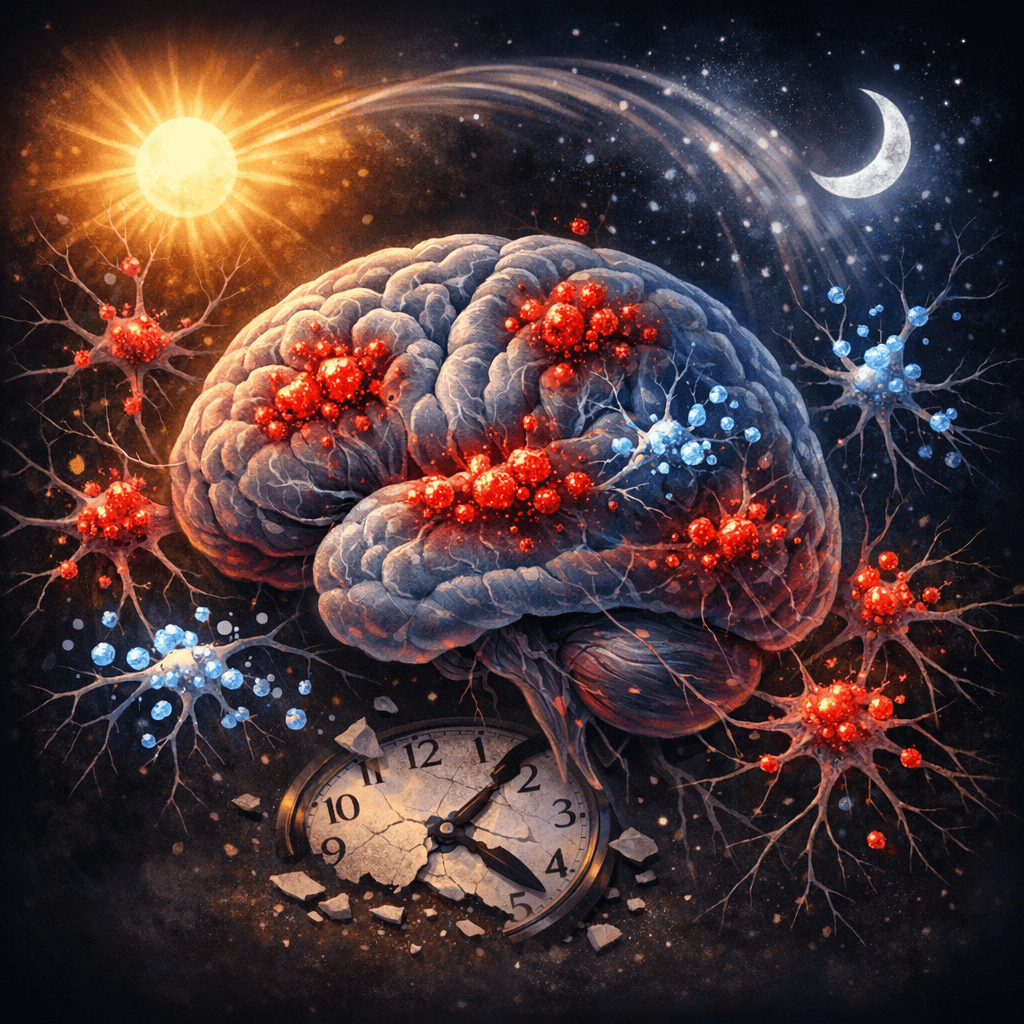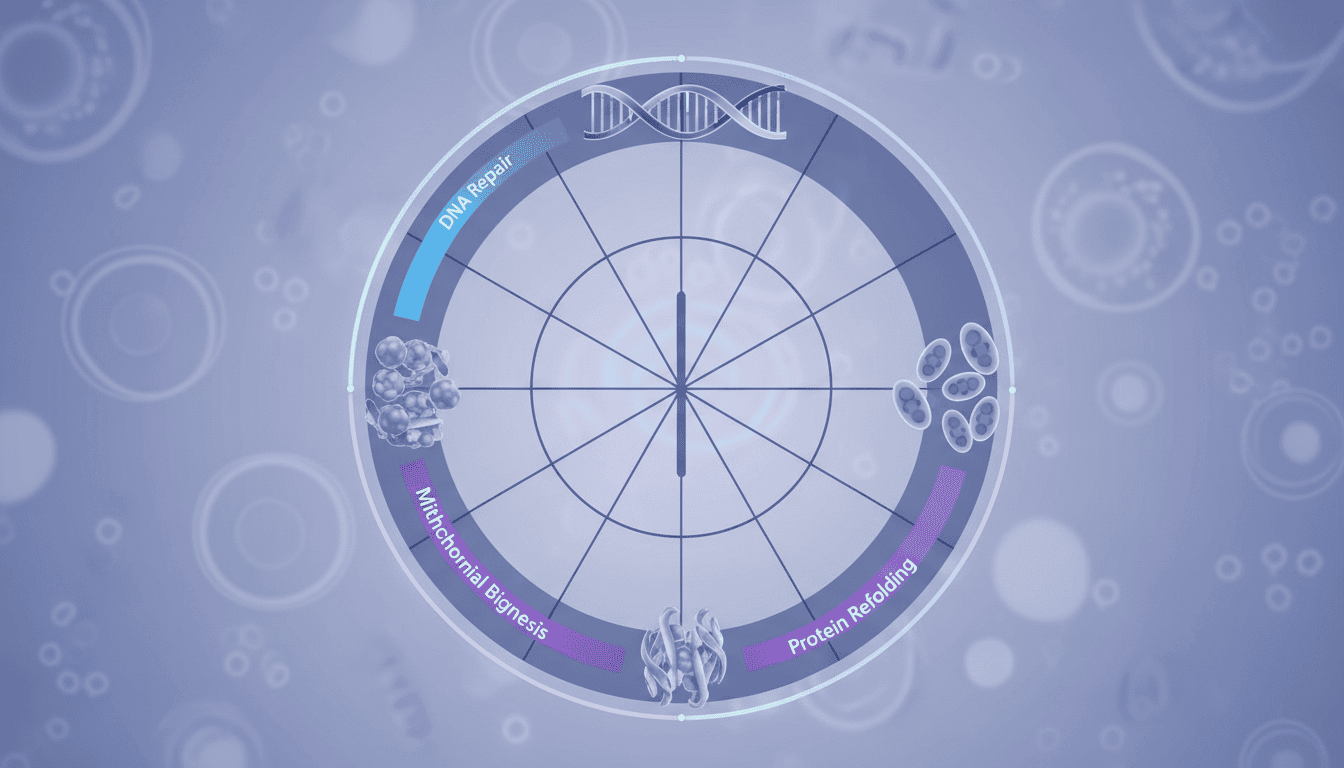

Sleep is not downtime. While you rest, your cells are running their most intensive maintenance programmes: repairing damaged DNA, clearing metabolic waste, synthesising proteins, consolidating immune memories and restoring the molecular machinery that was taxed during waking hours. When sleep is chronically insufficient, these processes are cut short, and the cellular consequences accumulate in ways that research is only now fully documenting.
The Glymphatic System: Your Brain’s Cleaning Crew
One of the most important discoveries in sleep science is the glymphatic system, a network of channels that clears metabolic waste from the brain during sleep. Discovered in 2012 by researchers at the University of Rochester, the glymphatic system is most active during deep sleep, when cerebrospinal fluid flows through brain tissue and flushes out accumulated waste products.
During waking hours, the brain’s cells are tightly packed and the glymphatic channels are largely compressed. During deep sleep, brain cells shrink by approximately 60 percent, opening the channels and allowing the fluid to circulate. This is when misfolded proteins, metabolic byproducts and cellular debris are removed.
When sleep is cut short or fragmented, the glymphatic system does not complete its cleaning cycle. The waste products remain in the brain tissue, contributing to oxidative burden and inflammation.
Mitochondrial Repair During Sleep
Mitochondrial maintenance is heavily dependent on sleep. During rest, your cells perform mitophagy, the selective removal and recycling of damaged mitochondria. This quality control process is essential for maintaining an efficient population of energy producing organelles.
Research has shown that sleep deprivation impairs mitophagy and reduces mitochondrial membrane potential, both indicators of declining mitochondrial health. Cells that cannot clear damaged mitochondria accumulate organelles that produce less ATP and more uncontrolled reactive oxygen species, shifting the balance from useful signalling toward harmful oxidative stress.
Sleep is also when NRF2 dependent repair processes peak. Studies in animal models have demonstrated that NRF2 activity follows a circadian rhythm, with protective gene expression increasing during the rest phase. Disrupting this rhythm through sleep deprivation reduces the window during which NRF2 mediated repair can occur.
The Inflammation Loop
Chronic sleep deprivation creates a self reinforcing inflammation cycle. Even a single night of restricted sleep has been shown to increase circulating levels of pro inflammatory cytokines, including IL-6 and C reactive protein. These markers remain elevated with ongoing sleep restriction.
The inflammation is driven partly by increased oxidative stress. When glutathione and other antioxidant defences are not fully restored during abbreviated sleep, oxidative damage accumulates. This damage activates inflammatory signalling pathways, which in turn generate more reactive species, creating a cycle that feeds itself.
As explored in our article on what happens when cellular communication breaks down, this chronic low grade inflammation, termed inflammaging, is one of the hallmarks of accelerated cellular ageing. Chronically poor sleep accelerates this process by preventing the nightly reset that would otherwise keep inflammation in check.
Immune Function and Sleep
Your immune system is particularly sensitive to sleep quality. During sleep, your body produces and releases cytokines that help direct immune responses. T cell production and distribution follow circadian patterns tied to the sleep wake cycle. Natural killer cell activity, which provides surveillance against abnormal cells, is modulated by sleep.
Research has shown that people who sleep fewer than six hours per night are significantly more susceptible to respiratory infections than those who sleep seven hours or more. This is not just a correlation. Experimental studies where healthy volunteers are deliberately sleep restricted and then exposed to viruses consistently show increased infection rates in the sleep deprived group.
The Compounding Problem
What makes sleep deprivation particularly damaging is that its effects compound. Each night of inadequate sleep leaves a small deficit in cellular repair, mitochondrial maintenance, immune function and waste clearance. Over weeks and months, these deficits accumulate.
The interaction between stress and sleep creates an additional challenge. Chronic stress impairs sleep quality, and poor sleep increases cortisol levels and stress reactivity. Breaking this cycle requires addressing both simultaneously.
What the Research Supports
The cellular science of sleep reinforces what sleep researchers have been saying for decades: seven to nine hours of quality sleep per night is not a luxury. It is a biological requirement for maintaining the cellular processes that keep you healthy. The mitochondrial repair, glymphatic clearance, NRF2 mediated gene activation, glutathione restoration and immune maintenance that occur during sleep are not optional processes. They are the foundation on which daytime cellular function depends.
Optimising sleep quality, through consistent timing, reduced light exposure before bed, comfortable temperature and managed stress, is one of the highest leverage interventions available for supporting long term cellular health. No supplement, no workout and no diet can compensate for what your cells accomplish during a good night of sleep.

Matt Elliott is the editor of Redox News Today, an independent publication covering peer-reviewed research on cellular health, redox signalling, and related biomedical science.