In 1956, a radiation chemist named Denham Harman proposed one of the most influential ideas in the history of ageing research. His free radical theory of ageing suggested that the accumulation of oxidative damage from reactive oxygen species was the primary driver of biological ageing. The idea was elegant, testable and profoundly influential. It shaped decades of research and launched an entire industry around antioxidant supplementation.
Seven decades later, we know the theory was partly right, partly wrong and considerably more complicated than Harman imagined.
The Original Hypothesis
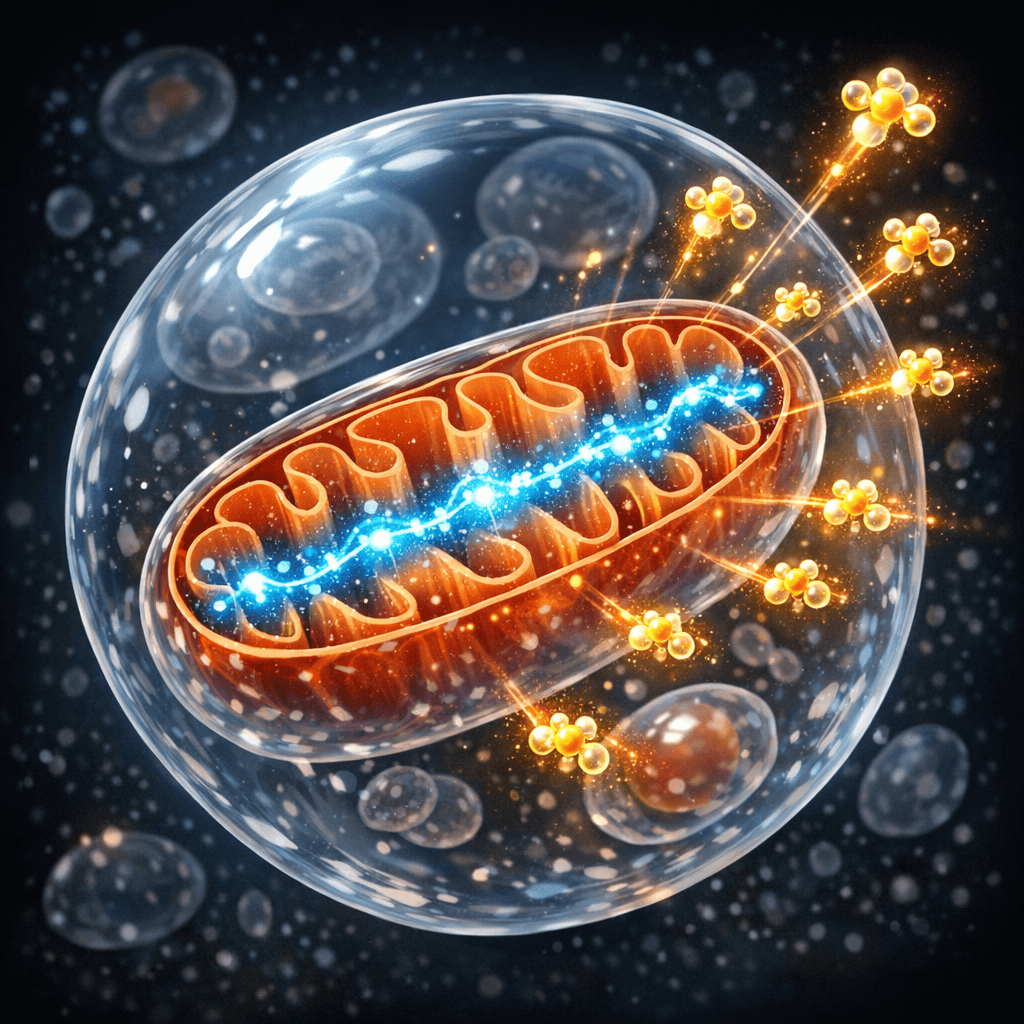
Harman’s proposal was straightforward. Mitochondria produce reactive oxygen species as a byproduct of energy generation. These reactive molecules damage DNA, proteins and lipids. Over time, the damage accumulates faster than repair mechanisms can keep up, leading to progressive cellular deterioration. Ageing, in this framework, was essentially the accumulation of oxidative wear and tear.
The theory made specific predictions. Organisms with higher metabolic rates should age faster because they produce more reactive species. Increasing antioxidant defences should slow ageing. Oxidative stress biomarkers should correlate with biological age.
Some of these predictions held up. Others did not.
The Naked Mole Rat Paradox
Perhaps the most famous challenge to the simple version of the free radical theory comes from the naked mole rat. This small, hairless rodent lives underground in East Africa and has a metabolic rate similar to other rodents of its size. By Harman’s theory, it should have a similar lifespan, roughly three to five years.
Instead, naked mole rats live for over 30 years. They show remarkably low rates of age related disease and maintain cellular function far longer than their metabolic rate would predict. And here is the part that truly challenged the theory: their levels of oxidative damage are not particularly low. In fact, they show high levels of lipid peroxidation and protein oxidation even at young ages.
What they do have is exceptionally robust cellular maintenance systems. Their NRF2 pathway is particularly active. Their protein quality control mechanisms are highly efficient. Their cells maintain function not because they avoid oxidative damage but because they manage and repair it extraordinarily well.
Where the Theory Got It Right
The free radical theory correctly identified oxidative damage as a significant factor in cellular ageing. Oxidative stress markers do increase with age. Mitochondrial DNA mutations accumulate over time and impair energy production. Chronic oxidative stress contributes to the degradation of tissues and systems.
The theory also correctly pointed to mitochondria as central players in the ageing process. Mitochondrial dysfunction, driven in part by oxidative damage to mitochondrial DNA, is now recognised as one of the hallmarks of ageing across species.
And the clinical trial failures of high dose antioxidant supplements, rather than disproving the importance of oxidative biology, actually pointed toward a more nuanced understanding. The problem was not oxidative chemistry itself. The problem was the simplistic model of how it worked.
The Modern Refinement
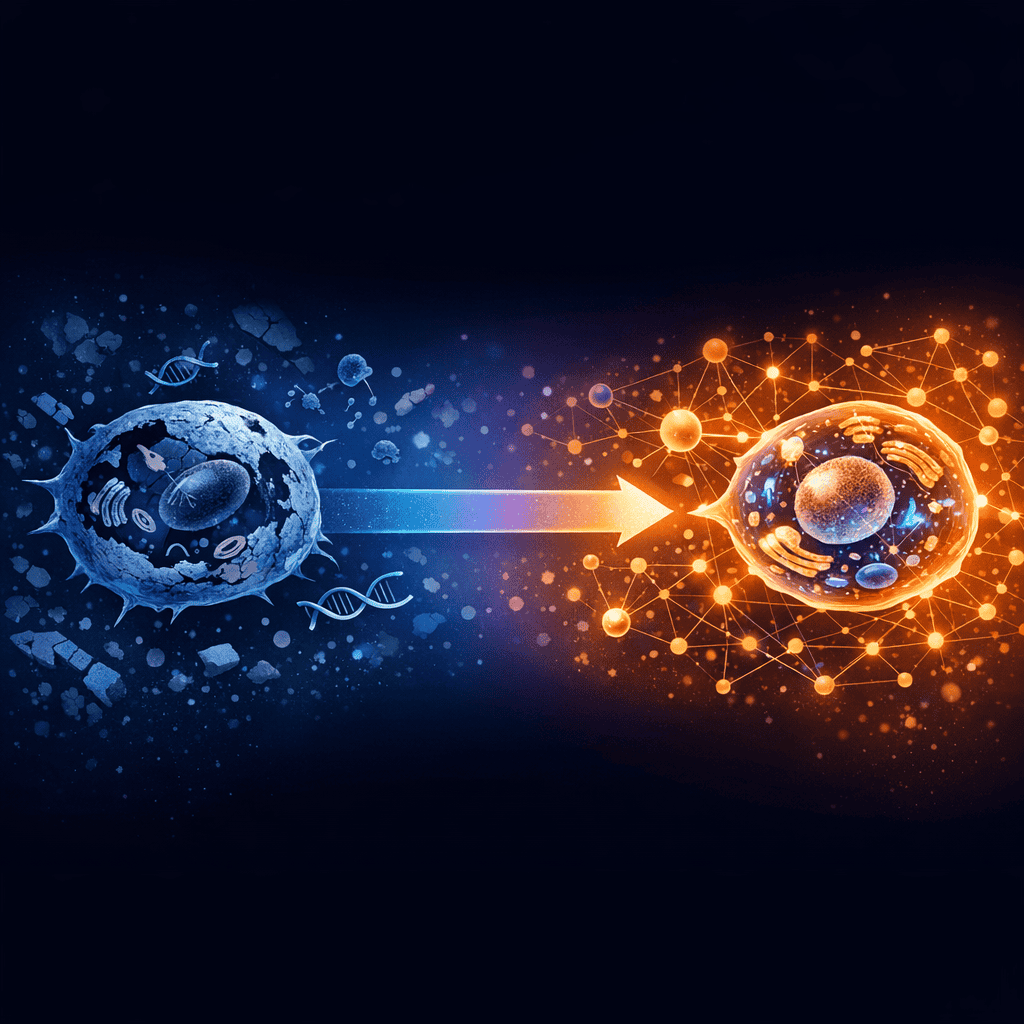
Contemporary ageing science has refined Harman’s theory into something more sophisticated. The current understanding recognises that:
Reactive oxygen species are not simply damaging agents. They are essential signalling molecules that regulate cellular repair, immune function and adaptive responses. The deliberate production of free radicals by enzymes like NADPH oxidases underscores their biological importance.
Ageing involves not just oxidative damage but the decline of the systems that manage oxidative balance. The reduction in NRF2 pathway responsiveness, the decline in glutathione production and the degradation of cellular signalling networks are all part of the picture.
The redox signalling model recognises that the balance between oxidative and reductive processes, rather than the absolute level of oxidative damage, is what determines cellular health outcomes. Both extremes are harmful.
An Evolving Science
Harman’s free radical theory, for all its limitations, deserves credit for launching one of the most productive lines of inquiry in biomedical science. It pointed researchers toward the right neighbourhood even if the exact address needed updating.
The modern redox theory of ageing is richer, more complex and more consistent with experimental evidence. It accounts for the naked mole rat. It explains why antioxidant supplements fail. It integrates the signalling functions of reactive species with their damaging potential. And it points toward a more nuanced set of strategies for maintaining cellular health: not simply fighting oxidation, but maintaining the balance, precision and responsiveness of the redox systems that keep your cells communicating and repairing throughout life.

Matt Elliott is the editor of Redox News Today, an independent publication covering peer-reviewed research on cellular health, redox signalling, and related biomedical science.