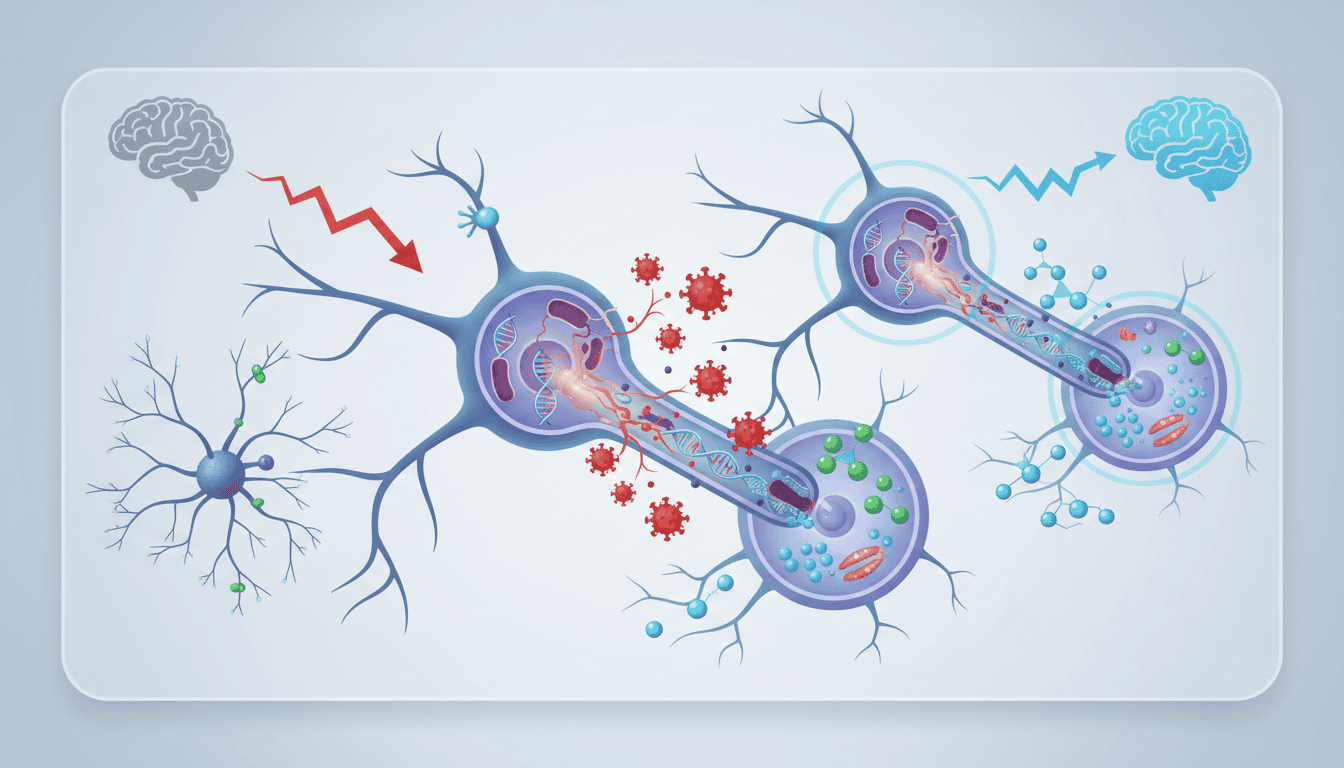
Your brain uses 20% of your body’s oxygen while weighing just 2% of your total mass. This metabolic intensity creates a constant stream of reactive oxygen species that can damage neurons faster than most other cell types can repair themselves.
What is oxidative stress in the brain
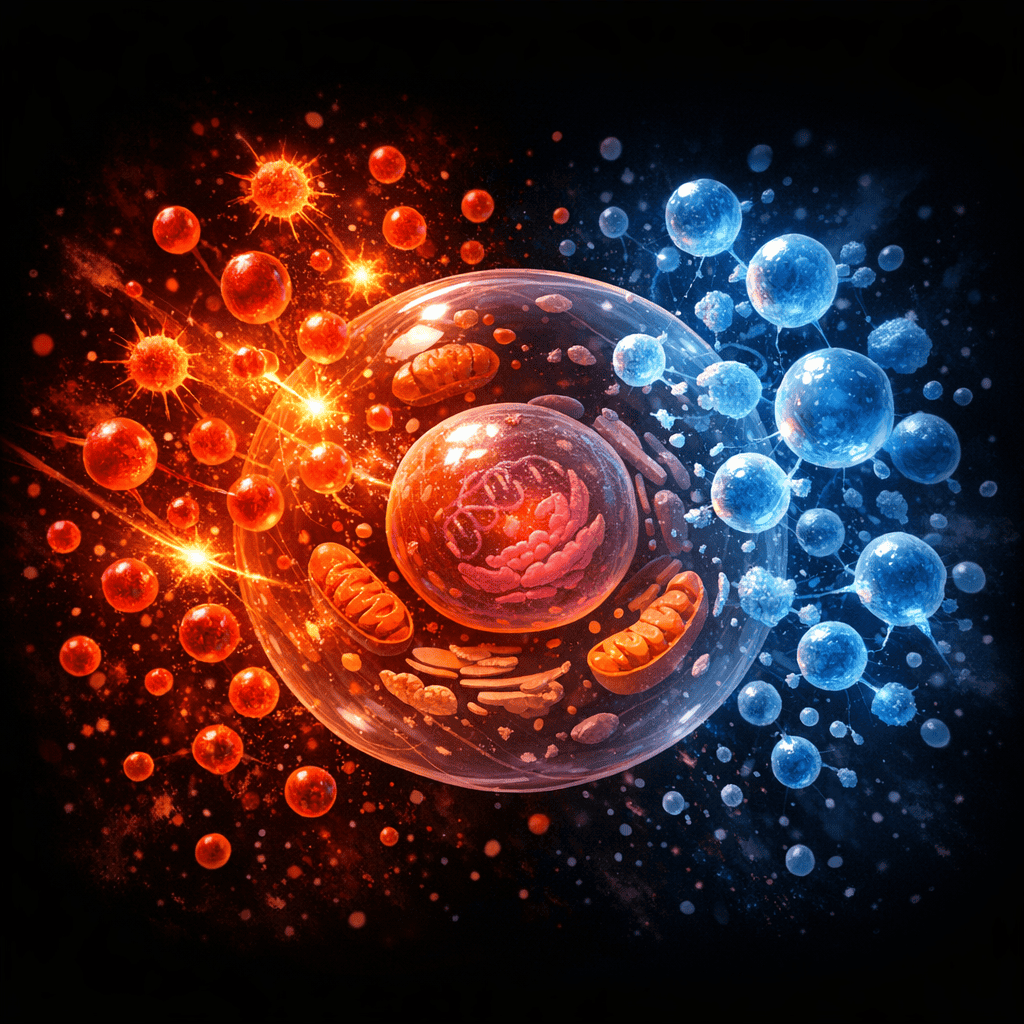
Oxidative stress happens when cells produce more reactive molecules than their antioxidant systems can neutralise. Think of it like rust forming on metal, but happening inside living cells.
Brain cells face unique challenges here. Neurons burn through enormous amounts of glucose and oxygen to maintain electrical activity. Every time a neuron fires, mitochondria work overtime to produce ATP, inevitably generating free radicals as byproducts. The brain also contains high levels of iron and unsaturated fats, both of which make oxidative damage more likely.
Unlike other organs, the brain has relatively weak antioxidant defences. It produces less catalase and glutathione peroxidase than the liver or kidneys. Brain cells also rarely divide, which means damaged neurons often cannot be replaced. This creates a perfect storm where oxidative damage accumulates over time.
What the research shows
Studies consistently find altered oxidative stress markers in people with depression, anxiety, bipolar disorder, and schizophrenia. Researchers measure byproducts like malondialdehyde and 8-hydroxy-2-deoxyguanosine in blood, urine, and post-mortem brain tissue.
People with major depression often show reduced levels of antioxidant enzymes and elevated lipid peroxidation markers. Their cells appear to be losing the oxidative stress battle. Brain imaging studies reveal that regions heavily affected by oxidative damage overlap with areas that show altered activity in mood disorders.
Animal research provides more direct evidence. When scientists induce oxidative stress in rodent brains using toxins or genetic modifications, the animals display behaviours resembling human anxiety and depression. They avoid social interaction, give up more quickly in challenging situations, and show disrupted sleep patterns.
Antioxidant treatments can reverse some of these changes in laboratory settings. Mice given compounds that boost cellular antioxidant systems often recover normal behaviours, though the effects vary depending on timing and dosage.
Why cells need this
Controlled oxidative stress actually serves important functions in healthy brains. Free radicals act as signalling molecules, helping neurons communicate and adapt to new experiences. They trigger protective responses that strengthen cellular defences when present at moderate levels.
This process, called hormesis, explains why complete elimination of free radicals would be harmful. Neurons need some oxidative challenge to maintain their repair systems and stress resilience. The problem arises when production overwhelms cellular defences for extended periods.
Evolution preserved these systems because they help organisms respond to genuine threats. Acute stress naturally increases free radical production, sharpening focus and preparing the body for action. Mental health problems may partly result from chronic activation of systems designed for short-term challenges.
What affects oxidative stress in the brain
Ageing inevitably increases brain oxidative stress as mitochondrial efficiency declines and repair mechanisms slow down. But lifestyle factors can accelerate or slow this process significantly.
Chronic psychological stress consistently elevates cortisol and inflammatory markers that increase free radical production. Sleep deprivation disrupts the brain’s natural antioxidant rhythms. Poor sleep quality correlates with higher oxidative stress markers in both healthy individuals and people with mental health conditions.
Diet plays a substantial role. Foods rich in polyphenols, omega-3 fatty acids, and vitamins C and E can boost brain antioxidant capacity. Processed foods high in sugar and trans fats tend to increase oxidative burden. Alcohol metabolism generates acetaldehyde and other reactive compounds that directly damage brain tissue.
Physical exercise creates an interesting paradox. Intense activity temporarily increases free radical production, but regular exercise strengthens antioxidant systems over time. People who exercise consistently show better oxidative stress resilience than sedentary individuals.
Air pollution, smoking, and exposure to heavy metals all increase brain oxidative stress through multiple pathways. These environmental factors may partly explain why mental health problems are more common in highly polluted urban areas.
What remains unknown
Scientists still debate whether oxidative stress causes mental health problems or results from them. The relationship likely works both ways, creating feedback loops that researchers are only beginning to map out.
Different brain regions show vastly different vulnerability to oxidative damage, but the reasons remain unclear. The hippocampus and prefrontal cortex seem particularly susceptible, while other areas maintain better protection. Understanding these differences could reveal new therapeutic targets.
Genetic variations in antioxidant enzymes clearly influence individual risk, but the interactions between genes, environment, and behaviour are enormously complex. Some people maintain good mental health despite high oxidative stress markers, while others develop symptoms with apparently normal levels.
The timing question puzzles researchers too. How long does oxidative stress need to persist before affecting mood or cognition? Can brief periods of intense oxidative challenge trigger lasting changes in brain function?
This research illuminates how cellular health connects to mental wellbeing in ways we are just starting to appreciate. The brain’s unique metabolic demands make it particularly vulnerable to oxidative damage, yet also remarkably adaptable to protective interventions. Understanding these mechanisms offers new perspectives on why some brains stay resilient while others struggle, pointing toward a more complete picture of mental health rooted in fundamental cellular biology.

Matt Elliott is the editor of Redox News Today, an independent publication covering peer-reviewed research on cellular health, redox signalling, and related biomedical science.