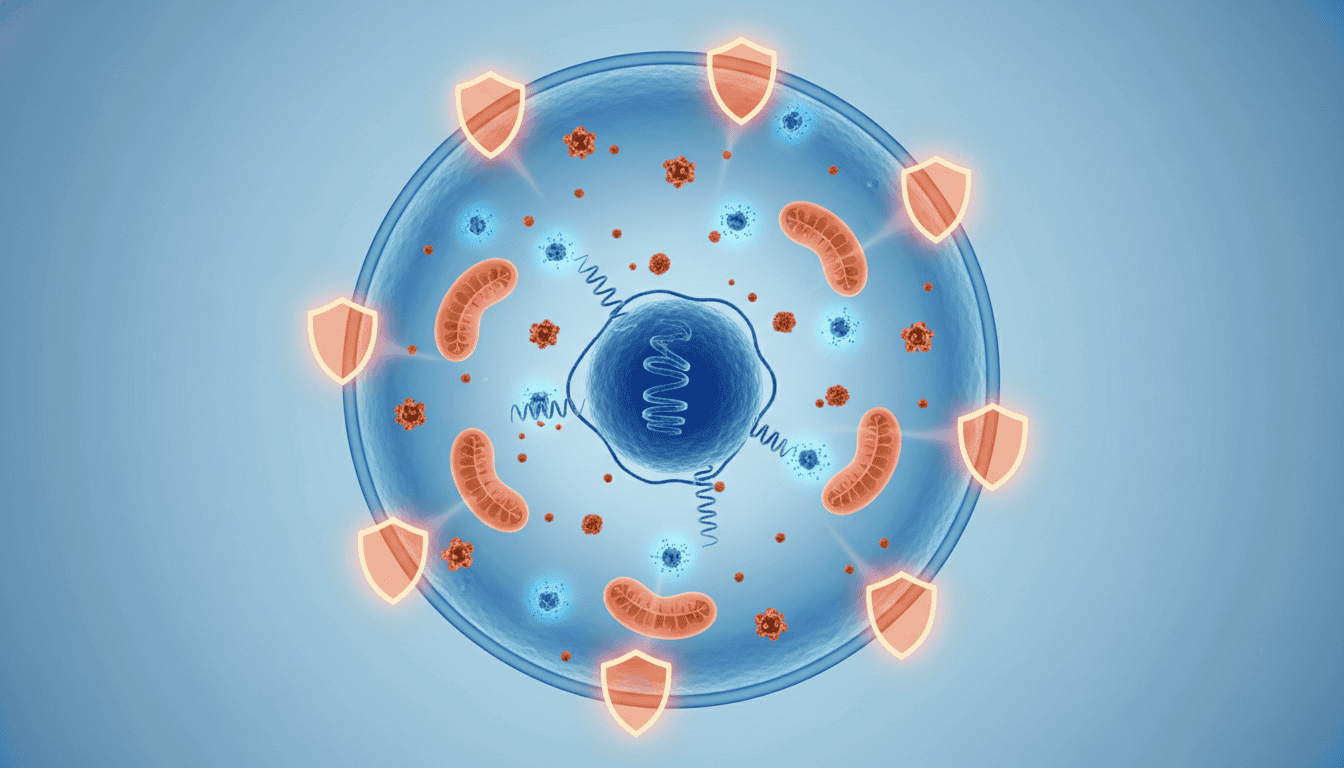
Understanding the Cellular Impact of Environmental Toxins
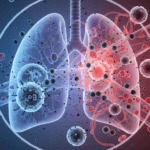
Our cells face constant exposure to environmental toxins that can fundamentally alter their biological processes. From air pollution particles to industrial chemicals, these substances infiltrate our bodies through the air we breathe, the water we drink, and the food we consume. Once inside our system, these toxins interact with cellular components in ways that can accelerate the natural ageing process.
Environmental toxins encompass a broad range of substances including heavy metals like lead and mercury, volatile organic compounds from household products, pesticide residues, and particulate matter from vehicle emissions. These compounds possess varying degrees of reactivity, but many share a common ability to disrupt normal cellular function through multiple pathways.
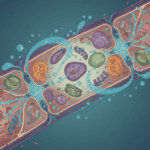
The cellular machinery responsible for energy production, DNA repair, and protein synthesis becomes less efficient when burdened with processing these foreign substances. This creates a cascade effect where normal cellular maintenance becomes compromised, leading to accelerated deterioration of cellular structures and function.
Oxidative Stress and Free Radical Damage
One of the primary mechanisms through which environmental toxins accelerate cellular ageing involves the generation of excessive reactive oxygen species, commonly known as free radicals. These highly reactive molecules contain unpaired electrons that make them chemically unstable and eager to react with nearby cellular components.
When environmental toxins enter cells, they often trigger inflammatory responses and metabolic processes that produce far more free radicals than the cell’s natural antioxidant systems can neutralise. This imbalance, known as oxidative stress, results in damage to crucial cellular structures including DNA, proteins, and lipid membranes.
The accumulation of oxidative damage over time is a hallmark of cellular ageing. Proteins become misfolded and lose their function, DNA develops mutations that can affect gene expression, and cellular membranes become less flexible and permeable. These changes collectively contribute to the decline in cellular efficiency that characterises the ageing process.
Mitochondria, the cellular powerhouses responsible for energy production, are particularly vulnerable to oxidative damage from environmental toxins. As these organelles become less efficient, cells struggle to meet their energy demands, leading to reduced cellular function and increased susceptibility to further damage.
Disruption of Cellular Detoxification Systems
Cells possess sophisticated detoxification systems designed to neutralise and eliminate harmful substances. These systems include enzyme networks in the liver, antioxidant molecules like glutathione, and cellular recycling processes such as autophagy. However, chronic exposure to environmental toxins can overwhelm and impair these natural defence mechanisms.
The liver’s phase I and phase II detoxification enzymes work in sequence to break down toxins and make them water soluble for elimination. When these systems become overloaded, toxins can accumulate in tissues and continue causing cellular damage. Additionally, the detoxification process itself can generate reactive intermediates that contribute to oxidative stress.
Autophagy, the cellular process that breaks down and recycles damaged components, also becomes less efficient with age and toxin exposure. This reduction in cellular housekeeping allows damaged proteins and organelles to accumulate, further compromising cellular function and accelerating the ageing process.
The depletion of key antioxidant molecules like glutathione represents another critical factor. Environmental toxins can directly bind to these protective compounds, reducing their availability for neutralising harmful free radicals and maintaining cellular health.
Impact on DNA Integrity and Cellular Repair
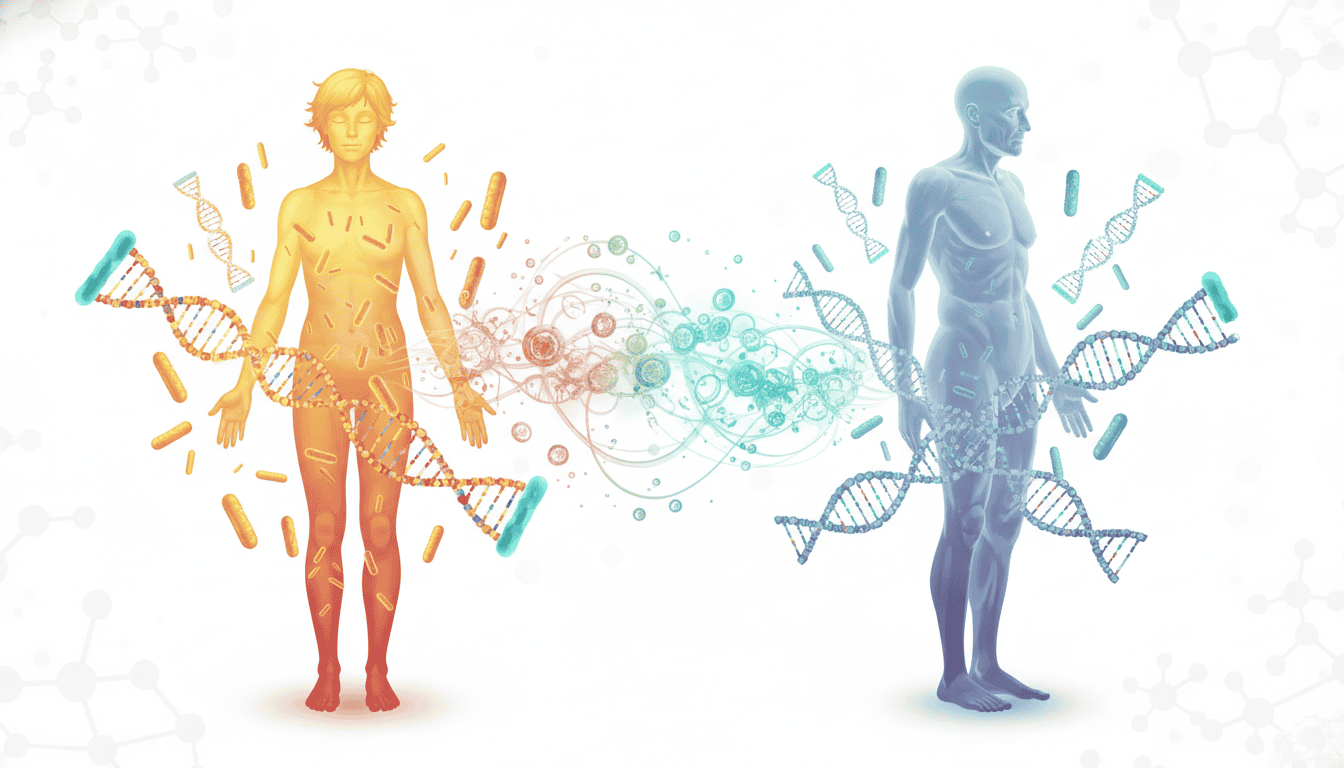
Environmental toxins pose significant threats to DNA integrity through both direct and indirect mechanisms. Some toxins can directly bind to DNA molecules, causing structural changes that interfere with normal gene expression and cellular function. Others generate reactive intermediates that attack the DNA backbone or nucleotide bases.
The cellular DNA repair machinery works continuously to fix damage from various sources, including environmental toxins. However, chronic exposure can overwhelm these repair systems, leading to the accumulation of mutations and genetic instability. This is particularly concerning for genes involved in cellular maintenance, stress response, and tumour suppression.
Telomeres, the protective DNA sequences at chromosome ends, are especially vulnerable to toxin induced damage. These structures naturally shorten with age, but environmental toxins can accelerate this process. Shortened telomeres are associated with cellular senescence and reduced regenerative capacity.
Epigenetic modifications, which control gene expression without changing DNA sequence, can also be altered by environmental toxins. These changes can affect the expression of genes involved in cellular stress response, DNA repair, and metabolic processes, potentially accelerating cellular ageing even in the absence of direct DNA damage.
Inflammatory Pathways and Cellular Communication
Environmental toxins frequently trigger inflammatory responses that can become chronic and self perpetuating. This persistent low level inflammation, sometimes called inflammageing, creates an environment that accelerates cellular deterioration and interferes with normal tissue repair processes.
Inflammatory signalling molecules called cytokines can alter cellular behaviour and promote the production of additional reactive oxygen species. This creates a feedback loop where inflammation generates oxidative stress, which in turn promotes more inflammation, accelerating the ageing process.
The communication between cells also becomes disrupted in the presence of environmental toxins. Cell signalling pathways that coordinate growth, repair, and maintenance can be altered, leading to reduced tissue function and impaired regenerative capacity.
Immune system function can be particularly affected, as environmental toxins may suppress or overstimulate immune responses. This can result in reduced ability to clear damaged cells and fight infections, while simultaneously promoting chronic inflammation that damages healthy tissues.
Protecting Cellular Health in a Toxic World
Understanding how environmental toxins accelerate cellular ageing provides crucial insights into the fundamental processes that govern cellular health and longevity. This knowledge highlights the interconnected nature of cellular systems and demonstrates how external factors can profoundly influence internal biological processes. The research into toxin induced cellular ageing not only helps us comprehend the mechanisms of ageing itself but also underscores the importance of supporting our natural cellular defence systems. As we continue to live in environments with increasing chemical complexity, recognising these cellular impacts becomes essential for developing strategies to maintain optimal cellular function throughout life and for creating policies that protect public health at the most fundamental level.

Matt Elliott is the editor of Redox News Today, an independent publication covering peer-reviewed research on cellular health, redox signalling, and related biomedical science.