
What Are Senescent Cells and How Do They Form?
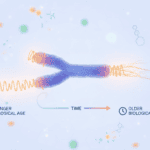
Senescent cells represent a unique state of cellular existence where cells have permanently stopped dividing but remain metabolically active. Unlike cells that undergo programmed death, these cells persist in tissues throughout the body, accumulating as we age. The process of cellular senescence can be triggered by various stressors including DNA damage, oxidative stress, telomere shortening, and oncogene activation.
When cells encounter these stressors, they activate specific molecular pathways that halt cell division permanently. This response serves as a crucial tumour suppression mechanism, preventing potentially dangerous cells from proliferating uncontrollably. However, senescent cells don’t simply become inactive. Instead, they develop a complex secretory profile known as the senescence-associated secretory phenotype, which significantly impacts their surrounding cellular environment.
The Senescence-Associated Secretory Phenotype
The senescence-associated secretory phenotype represents one of the most significant ways senescent cells influence health and disease. These cells begin producing and releasing a cocktail of inflammatory molecules, growth factors, and tissue-remodelling enzymes. This secretory output includes pro-inflammatory cytokines, chemokines that attract immune cells, and matrix metalloproteinases that break down surrounding tissue structures.
Initially, this secretory activity serves beneficial purposes. The inflammatory signals help recruit immune cells to clear damaged tissue and promote wound healing. The secreted factors can also help eliminate nearby damaged cells and stimulate tissue repair processes. However, when senescent cells accumulate and persist over time, their continued secretory activity begins to create chronic low-grade inflammation throughout tissues.
This persistent inflammatory environment becomes problematic as it can damage healthy neighbouring cells, disrupt normal tissue architecture, and interfere with proper cellular function. The inflammatory molecules produced by senescent cells can also induce senescence in nearby healthy cells, creating a spreading effect that amplifies the problem over time.
Accumulation Patterns and Tissue-Specific Effects
Senescent cells don’t accumulate uniformly throughout the body. Instead, they tend to gather in specific tissues and organs, often in areas that experience high levels of stress or damage. Common sites of senescent cell accumulation include the skin, fat tissue, muscle, liver, lungs, and various components of the immune system.
In adipose tissue, senescent cells contribute to chronic inflammation that can interfere with normal metabolic processes. In muscle tissue, their presence is associated with decreased regenerative capacity and functional decline. Within the cardiovascular system, senescent cells in blood vessel walls may contribute to arterial stiffening and endothelial dysfunction.
The accumulation pattern also varies between individuals, influenced by factors such as genetics, lifestyle, environmental exposures, and overall health status. This variation helps explain why people age differently and develop age-related conditions at different rates and severities.
Links to Age-Related Diseases and Conditions
Research has identified strong associations between senescent cell accumulation and numerous age-related health conditions. The chronic inflammatory environment created by these cells appears to contribute to the development and progression of various diseases commonly seen in older adults.
Metabolic disorders represent one major category where senescent cells play a significant role. Their inflammatory secretions can interfere with insulin signalling pathways and glucose metabolism, potentially contributing to insulin resistance and type 2 diabetes. The presence of senescent cells in fat tissue may also disrupt normal adipose tissue function and energy storage processes.
Cardiovascular health also appears closely linked to senescent cell burden. These cells may contribute to atherosclerosis development through their inflammatory secretions and tissue-remodelling enzymes. They can also affect the function of heart muscle cells and blood vessel walls, potentially contributing to various cardiovascular complications.
Neurodegenerative conditions represent another area of intense research interest. Senescent cells in brain tissue and surrounding support structures may contribute to neuroinflammation and interfere with normal neural function and maintenance processes.
Natural Clearance Mechanisms and Their Decline
Under normal circumstances, the immune system possesses mechanisms to identify and eliminate senescent cells before they can accumulate significantly. Natural killer cells and other immune cell types can recognise senescent cells and remove them through various clearance pathways. This process helps maintain tissue health and prevents excessive accumulation of these potentially harmful cells.
However, the efficiency of these clearance mechanisms tends to decline with age. The immune system itself undergoes changes over time, becoming less effective at identifying and eliminating senescent cells. Additionally, some senescent cells develop resistance mechanisms that help them evade immune clearance, allowing them to persist longer in tissues.
This decline in clearance efficiency, combined with increased senescent cell production due to accumulated damage over time, creates a situation where these cells progressively accumulate throughout the body. The resulting imbalance between senescent cell production and clearance contributes to the chronic inflammatory environment associated with ageing.
Implications for Understanding Healthy Ageing
The study of senescent cells has revolutionised our understanding of the ageing process and age-related disease development. Rather than viewing ageing as a simple accumulation of random damage, we now recognise it as involving specific cellular and molecular processes that can potentially be understood and addressed.
This research has also highlighted the importance of maintaining robust cellular quality control mechanisms throughout life. The ability of cells to respond appropriately to stress, undergo proper repair processes, or eliminate themselves when necessary appears crucial for long-term health. Understanding how senescent cells contribute to age-related diseases provides valuable insights into the fundamental mechanisms that connect cellular health to overall wellbeing, opening new avenues for research into healthy ageing and the prevention of age-related health decline.

Matt Elliott is the editor of Redox News Today, an independent publication covering peer-reviewed research on cellular health, redox signalling, and related biomedical science.