The Molecular Structure Behind Vitamin D’s Hormonal Properties
Vitamin D has long been classified alongside other essential vitamins, yet its molecular structure and biological behaviour align more closely with steroid hormones than traditional vitamins. Unlike water-soluble vitamins such as vitamin C or B complex vitamins that function primarily as cofactors in enzymatic reactions, vitamin D undergoes a complex series of transformations that mirror classic hormone synthesis pathways.
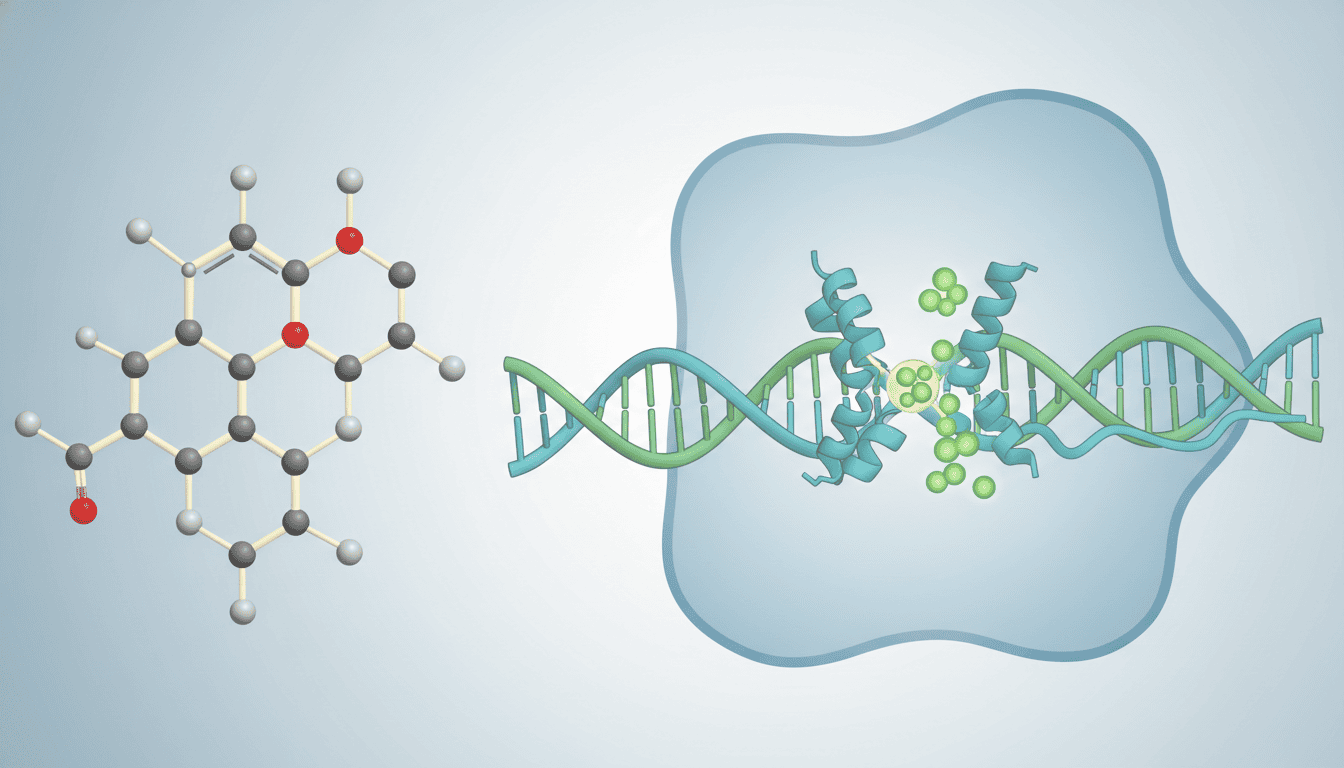
The active form of vitamin D, known as calcitriol or 1,25-dihydroxyvitamin D3, shares structural similarities with other steroid hormones including testosterone, oestrogen, and cortisol. All these molecules derive from cholesterol and feature the characteristic four-ring steroid backbone. This structural foundation enables vitamin D to interact with nuclear receptors within cells, a hallmark of hormone action that distinguishes it from conventional vitamin functions.
The transformation process begins when 7-dehydrocholesterol in the skin converts to previtamin D3 upon ultraviolet B exposure, then isomerises to vitamin D3. This compound travels to the liver for hydroxylation, creating 25-hydroxyvitamin D3, the major circulating form. The kidneys perform the final conversion to the active hormone calcitriol, demonstrating the multi-organ coordination typical of endocrine systems.
Nuclear Receptor Interactions and Gene Expression
The vitamin D receptor (VDR) belongs to the nuclear receptor superfamily, the same category that includes receptors for thyroid hormones, sex hormones, and corticosteroids. When calcitriol binds to VDR, it forms a complex with retinoid X receptor, creating a heterodimer that directly interacts with DNA to regulate gene expression.
This mechanism differs fundamentally from how traditional vitamins operate. Whilst vitamins typically serve as cofactors or antioxidants, vitamin D acts as a transcriptional regulator, directly influencing which genes are activated or suppressed within target cells. Research has identified vitamin D response elements in the promoter regions of hundreds of genes, indicating widespread genomic influence that extends far beyond the calcium regulation originally associated with this nutrient.
The VDR is present in nearly every tissue type throughout the human body, including immune cells, prostate tissue, breast tissue, colon, skin, and cardiovascular system. This widespread distribution reflects the broad physiological influence characteristic of hormonal systems rather than the more specific roles typically assigned to vitamins.
Endocrine System Integration and Feedback Mechanisms
Vitamin D participates in sophisticated feedback loops that exemplify classic endocrine function. The production of calcitriol is tightly regulated by parathyroid hormone (PTH), fibroblast growth factor 23 (FGF23), and serum phosphate levels. When calcium levels drop, PTH stimulates the kidneys to increase calcitriol production. Conversely, elevated FGF23 suppresses calcitriol synthesis, creating the precise regulatory control characteristic of hormonal systems.
This regulatory network extends beyond calcium homeostasis to include interactions with the renin-angiotensin system, insulin signalling pathways, and inflammatory mediators. The enzyme that produces active vitamin D, 1α-hydroxylase, is expressed not only in the kidneys but also in prostate cells, immune cells, and other tissues, enabling local hormone production similar to other steroid hormone systems.
The degradation of calcitriol also follows hormonal patterns, with the enzyme 24-hydroxylase converting active vitamin D to calcitroic acid for excretion. This catabolic pathway is subject to regulation by the same factors that control vitamin D synthesis, maintaining the tight feedback control essential for proper hormonal function.
Calcium Independent Functions Across Multiple Systems
Whilst vitamin D’s role in calcium absorption established its initial classification as a vitamin, research has revealed extensive non-calcemic functions that align with its hormonal nature. The immune system represents one of the most well-studied areas, with vitamin D influencing both innate and adaptive immune responses through direct effects on immune cell gene expression.
Macrophages, dendritic cells, and T-cells all express vitamin D receptors and the enzymes necessary for local calcitriol production. This local synthesis allows these cells to respond to environmental stimuli by modulating their vitamin D status, influencing antimicrobial peptide production, cytokine profiles, and cell differentiation patterns. Such sophisticated cellular responses reflect hormonal rather than vitamin-like mechanisms.
Cardiovascular tissues also respond to vitamin D through mechanisms that extend well beyond calcium metabolism. Smooth muscle cells in blood vessels express VDR and can produce calcitriol locally, influencing vascular tone and cellular proliferation. Additionally, cardiac muscle cells respond to vitamin D by modulating gene expression patterns related to contractility and metabolic function.
Implications for Understanding Cellular Regulation
The reclassification of vitamin D as a hormone has significant implications for understanding optimal cellular function and health maintenance. Unlike traditional vitamins that prevent specific deficiency diseases, hormones require careful balance to support normal physiological processes. This distinction helps explain why vitamin D deficiency is associated with such diverse health outcomes across multiple organ systems.
The hormonal nature of vitamin D also illuminates why simple supplementation strategies may not always achieve desired biological effects. Like other steroid hormones, vitamin D requires proper receptor function, adequate cofactors for enzymatic conversions, and balanced feedback mechanisms to exert its cellular effects optimally.
Recognising vitamin D as a hormone rather than merely a vitamin represents a fundamental shift in understanding how this molecule contributes to cellular health and physiological regulation. This perspective emphasises the importance of maintaining adequate vitamin D status not just for bone health, but for supporting the complex network of cellular signalling pathways that depend on proper hormonal balance. As our understanding of cellular communication and regulatory networks continues to evolve, the distinction between nutrients and signalling molecules becomes increasingly important for appreciating how different compounds support optimal cellular function and overall health.

Matt Elliott is the editor of Redox News Today, an independent publication covering peer-reviewed research on cellular health, redox signalling, and related biomedical science.