Astronauts spend months in low Earth orbit where the radiation exposure is roughly 150 times higher than on the ground. Their cells face a constant barrage of cosmic rays and solar particles that pierce through shielding and DNA alike. Yet the human body has evolved ancient defence systems specifically designed to handle this kind of assault. Understanding how antioxidants protect against radiation-induced damage isn’t just academic; it’s revealing how cells survive in one of the most hostile environments we can imagine.
What is oxidative damage from radiation
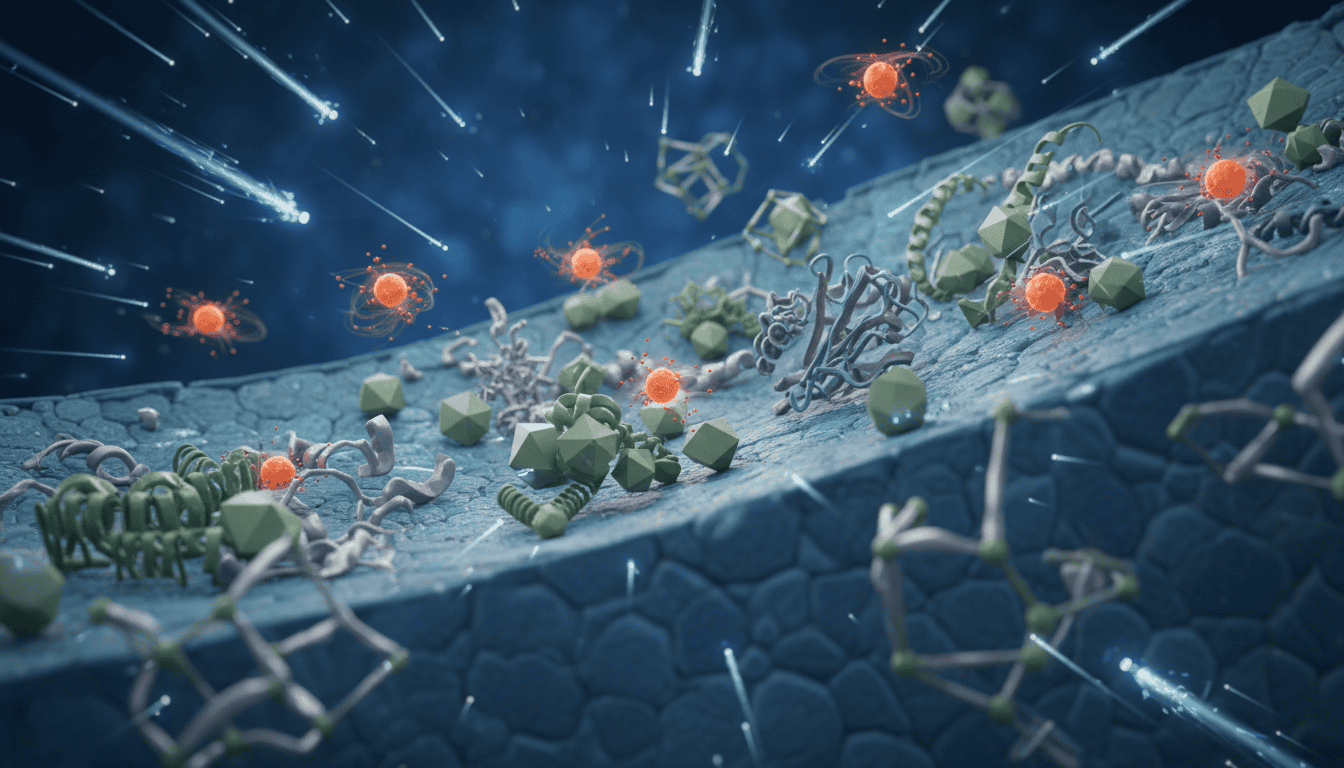
When radiation hits a cell, it doesn’t politely knock on the door. High-energy particles collide with molecules, particularly water, and smash electrons loose. These unstable molecules become free radicals: atoms or groups of atoms missing an electron and desperately trying to steal one from their neighbours. A single cosmic ray can trigger hundreds of these reactions in milliseconds.
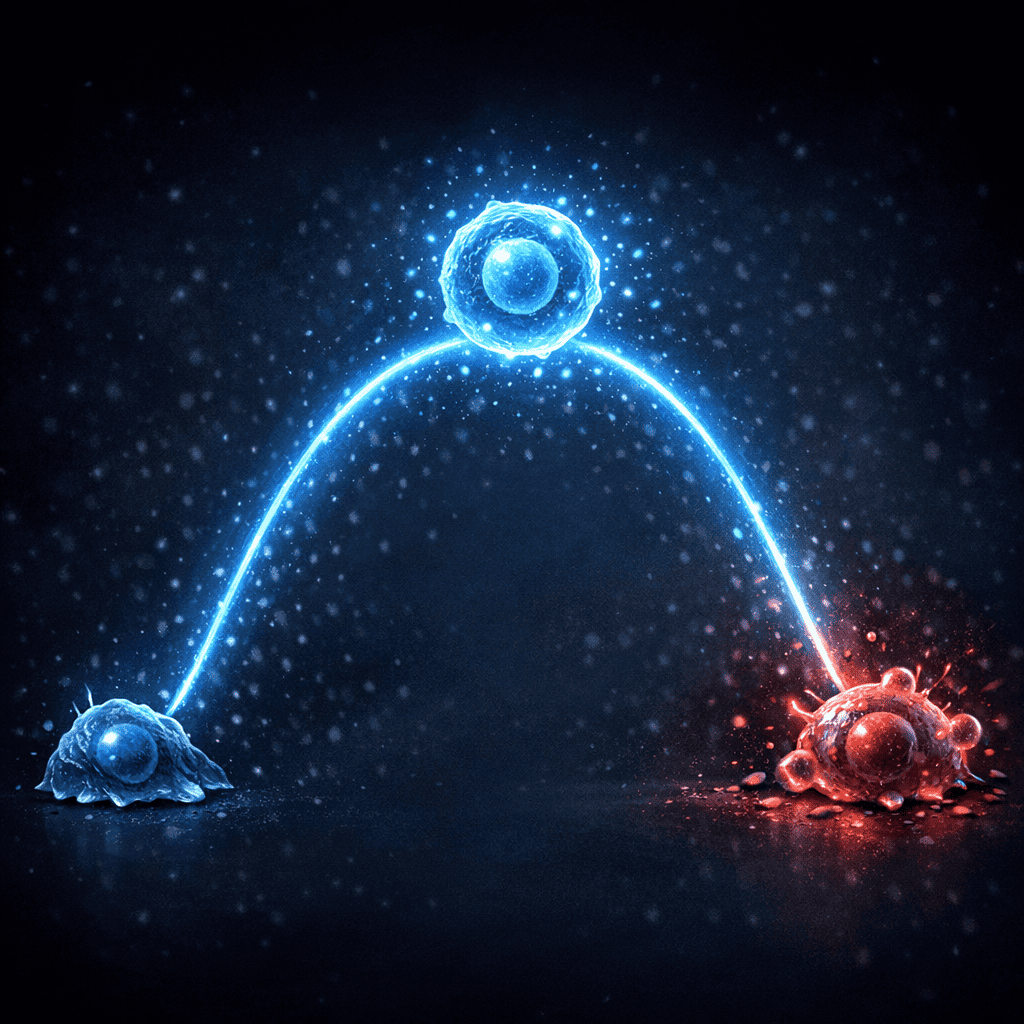
This cascade of theft creates oxidative stress. Proteins unravel. DNA strands snap. Lipids in cell membranes become corrupted. Left unchecked, oxidative damage accumulates until the cell either repairs itself or dies. In space, where radiation keeps arriving, the damage arrives faster than it can be mopped up using standard cellular housekeeping. That’s where antioxidants enter the picture.
What the research shows
Studies examining cells exposed to particle radiation (the type astronauts encounter) reveal that antioxidants operate like molecular firefighters, but they work in layers. The first line includes small molecules like vitamin E and glutathione, which donate electrons to free radicals, stabilising them before they can damage anything else.
The second layer involves proteins such as superoxide dismutase and catalase. These enzymes don’t just neutralise one free radical; they catalyse reactions that convert dozens of dangerous molecules into harmless water and oxygen. Research using radiation chambers shows that cells with higher levels of these enzymatic antioxidants survive radiation exposure significantly better than cells running low on these proteins.
What’s particularly striking is how cells coordinate this response. When radiation triggers oxidative stress, master regulatory proteins like NRF2 sense the problem and activate dozens of protective genes simultaneously. Within hours, cells ramp up production of antioxidant enzymes, DNA repair machinery, and proteins that trigger damaged cell death before mutations take hold. This isn’t a passive defence; it’s an orchestrated counterattack.
Why cells need this
Evolution didn’t design these systems for astronauts. Earth’s magnetic field and atmosphere shield us from most space radiation, but our cells still encounter oxidative stress constantly. Metabolism itself generates free radicals as a byproduct. Immune cells deliberately create them to kill bacteria. Sunlight triggers them in skin cells. In other words, antioxidant defences evolved because they solved a problem that existed long before we left the planet.
The reason cells maintain these systems despite their metabolic cost is simple: uncontrolled oxidative damage is lethal. DNA mutations accumulate. Cell division goes haywire. Proteins misfold and aggregate. Without antioxidant defence, multicellular life probably wouldn’t exist. In space, the same mechanisms that protect us from everyday oxidative stress get tested to their limits.
What affects antioxidant protection
Not all cells have equal antioxidant capacity, and several factors shift this balance. Age matters significantly. Older cells often produce less of the key antioxidant enzymes, which is one reason ageing tissues show accumulated oxidative damage. Research on astronauts has found that radiation sensitivity varies based on individual genetic differences in antioxidant production.
Diet influences the supply of non-enzymatic antioxidants like vitamin C and E, though the effect is more modest than popular narratives suggest. Cells can synthesise many antioxidants internally if genes are activated properly. Physical fitness before spaceflight appears to correlate with better oxidative defence capacity, possibly through improved mitochondrial health.
Environmental factors matter too. Ground-based studies show that pre-exposure to mild oxidative stress can trigger adaptive responses, essentially priming cells to handle future challenges. This hormesis effect suggests that some degree of stress activates protective signalling before severe damage arrives. Radiation dose rate also matters; continuous low-dose radiation triggers different responses than acute high-dose exposure.
What remains unknown
We still can’t perfectly predict which individuals will tolerate space radiation better than others. Genetic screening exists for some antioxidant enzyme variants, but it doesn’t account for the redundancy built into these systems. Cells have multiple ways to compensate when one pathway falters. Individual differences in how people upregulate protective responses during spaceflight haven’t been fully mapped.
The long-term effects of chronic low-dose space radiation on antioxidant systems also remain partly mysterious. Most research focuses on acute radiation exposure or animal models. Understanding what happens to human cellular defences during years of spaceflight requires decades of data, which we’re only now beginning to accumulate. Researchers are also investigating whether antioxidant supplementation before spaceflight provides genuine protection or merely creates false confidence.
Another open question concerns tissue-specific variation. The brain, eyes, and blood-forming organs show different radiation sensitivities, yet we don’t fully understand whether this reflects differences in local antioxidant capacity or simply vulnerability of those tissues to particular types of damage.
The systems cells use to handle space radiation reveal something fundamental about how life works: we’re not passive victims of our environment. Instead, cells maintain intricate sensory systems that detect threats and trigger coordinated defensive responses. Antioxidants don’t guarantee protection, but they buy time for repair systems to work. In space, where radiation arrives relentlessly, that’s the difference between survival and accumulated damage that eventually tips toward disease.

Matt Elliott is the editor of Redox News Today, an independent publication covering peer-reviewed research on cellular health, redox signalling, and related biomedical science.