Your neurons are under constant attack. Metabolic processes generate reactive oxygen species, rogue molecules that damage proteins, lipids, and DNA if left unchecked. For decades, researchers assumed GLP-1 receptor agonists worked purely through glucose regulation in the pancreas. Then they noticed something odd: these drugs seemed to influence how neurons handle oxidative stress. That distinction matters. It suggests a mechanism that operates independently of blood sugar control, pointing to direct protective effects on brain cells themselves.
What is oxidative stress in neurons
Oxidative stress occurs when reactive oxygen species accumulate faster than a cell can neutralise them. Neurons are particularly vulnerable because they consume enormous amounts of energy relative to their size. Each mitochondrion generates fuel for cellular work, and that process inevitably produces free radicals as byproducts. Unlike muscle cells or liver cells, neurons have limited capacity to divide and replace themselves. Damage accumulates.
Cells possess multiple defence systems against oxidative stress. Antioxidant enzymes like superoxide dismutase and catalase neutralise free radicals before they cause harm. Signalling proteins like NRF2 activate genes that manufacture these protective enzymes. When oxidative stress exceeds these defences, proteins misfold, mitochondrial function deteriorates, and neurons begin the cascade toward dysfunction or death. This is why ageing brains accumulate oxidative damage and why neurodegenerative diseases correlate with disrupted antioxidant systems.
What the research shows
Studies examining GLP-1 receptor agonists in neuronal models reveal several consistent patterns. When researchers expose neurons to oxidative stressors and apply GLP-1 agonists simultaneously, the cells show reduced markers of oxidative damage compared to untreated controls. Specifically, protein oxidation decreases, mitochondrial membrane integrity remains more stable, and cell survival rates improve.
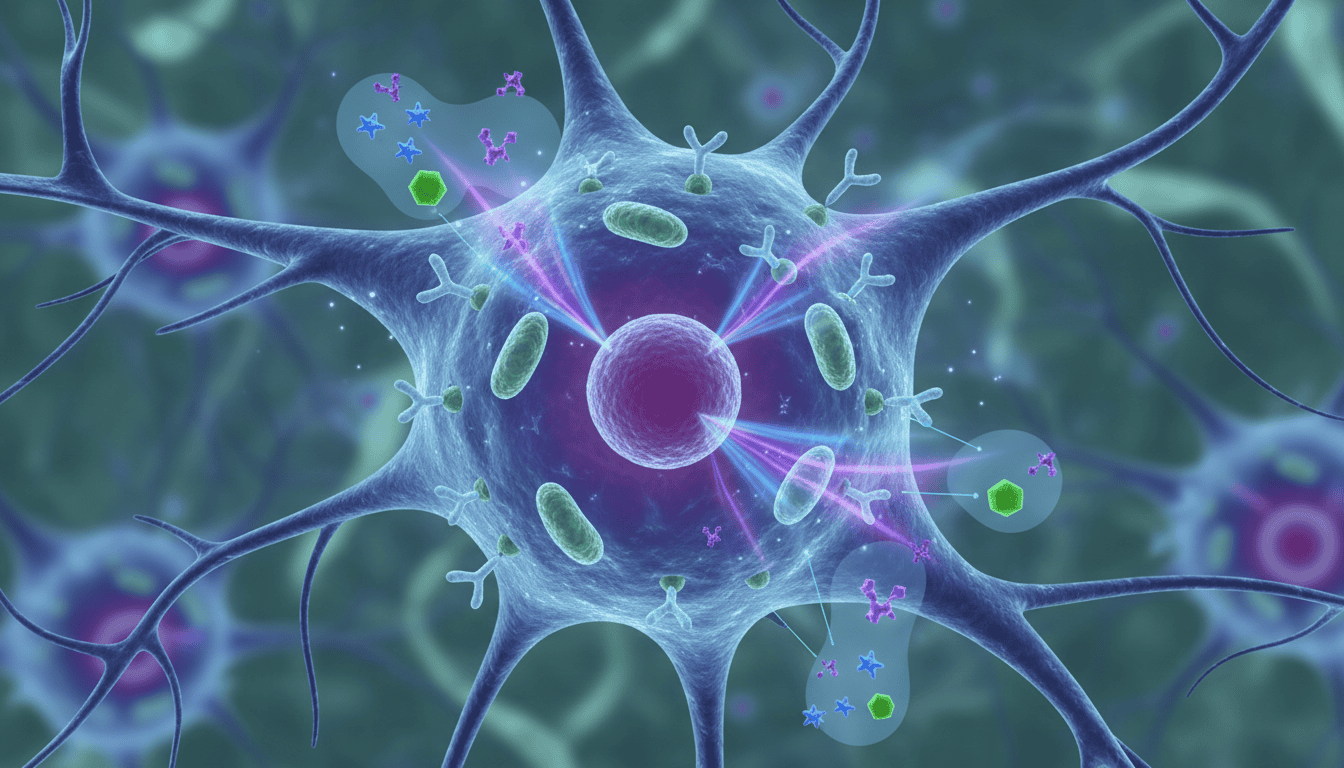
The mechanism appears to involve GLP-1 receptors on neuronal surfaces triggering intracellular signalling cascades that activate antioxidant gene expression. Some research suggests involvement of pathways that enhance mitochondrial biogenesis and autophagy, cellular processes that maintain energy production and clear damaged components. The effects occur in brain regions relevant to neurodegenerative disease, particularly areas dependent on sustained mitochondrial function.
Animal studies show comparable results. Mice receiving GLP-1 agonists demonstrate reduced neuroinflammation markers and improved mitochondrial function in brain tissue compared to controls. These observations persist even when body weight and blood glucose remain constant between groups, suggesting effects independent of metabolic normalisation. The protection appears most pronounced in regions vulnerable to age-related cognitive decline.
Why cells need this protection
Evolution favoured robust antioxidant defences because oxidative damage carries survival costs. A neuron struggling with damaged proteins works less efficiently. A mitochondrion with oxidative lesions produces less ATP, forcing the cell to allocate energy toward repair rather than growth or signalling. Over years or decades, this chronic stress accelerates ageing phenotypes in neural tissue.
The glucose dysregulation that accompanies metabolic syndrome creates additional oxidative burden on neurons. Poor blood sugar control impairs mitochondrial efficiency, increases free radical generation, and overwhelms antioxidant systems. If GLP-1 agonists activate neuronal defence mechanisms independently of glucose levels, they could interrupt this cascade at the cellular level, not just at the metabolic level. This represents a fundamentally different protective strategy than simply normalising insulin signalling.
Why would neurons express GLP-1 receptors in the first place? The hormone evolved in the gut to regulate nutrient absorption and energy expenditure. Finding GLP-1 receptors throughout the brain suggests neurons benefit from detecting energy availability signals. When metabolic conditions improve or specific pharmaceutical ligands occupy these receptors, neurons activate protective programmes that maintain cellular function under stress. This makes biological sense from an evolutionary perspective.
What affects neuronal oxidative stress responses
Age fundamentally alters how neurons handle oxidative stress. Antioxidant enzyme expression declines with ageing, and mitochondrial function deteriorates. Older neurons exposed to GLP-1 agonists show more robust activation of protective pathways than younger cells, suggesting the drugs might compensate for age-related decline in endogenous defence mechanisms.
Metabolic state influences baseline oxidative stress levels. Obesity, insulin resistance, and poor glucose control all increase oxidative burden on neurons. Conversely, caloric restriction and exercise enhance antioxidant signalling. GLP-1 agonists appear most effective in cells operating under metabolic stress, which makes sense mechanistically. A healthy neuron with active defences shows modest additional benefit from GLP-1 receptor activation. A metabolically compromised neuron shows substantial protection.
Individual genetic variation affects response magnitude. Polymorphisms in genes encoding antioxidant enzymes or signalling proteins influence baseline oxidative stress capacity. Some research suggests genetic background determines whether GLP-1 agonists produce maximal protection or modest effects. Environmental factors matter too. Chronic inflammation, exposure to neurotoxins, and sleep deprivation all increase oxidative stress, potentially changing how neurons respond to GLP-1 receptor signalling.
What remains unknown
The precise molecular steps linking GLP-1 receptor activation to downstream antioxidant gene expression remain incompletely characterised. Multiple signalling pathways likely contribute, and their relative importance probably varies between neuron types and brain regions. Researchers need more detailed mechanistic work to understand why some cellular defence programmes activate robustly while others respond modestly.
Long-term consequences of sustained GLP-1 receptor signalling in neural tissue remain unclear. Laboratory studies span days or weeks. Human brains treated with these drugs for years might experience adaptive changes in receptor expression, altered sensitivity to GLP-1, or unexpected consequences of chronically elevated antioxidant gene expression. We simply lack the data.
Translational questions persist. Do neurons in intact brains respond to GLP-1 agonists the same way they respond in culture dishes? Do peripherally administered drugs reach neuronal GLP-1 receptors in sufficient quantities to trigger protective signalling? Some GLP-1 agonists cross the blood-brain barrier more readily than others, potentially explaining variable effects across different drugs in this class.
Perhaps most fundamentally, we don’t know whether enhanced neuronal oxidative stress defence translates to clinically meaningful outcomes in humans. Promising laboratory findings don’t automatically predict benefits in ageing or disease contexts. Rigorous prospective studies tracking oxidative stress markers alongside cognitive and neurological outcomes remain necessary before drawing firm conclusions about clinical relevance.
This line of investigation reveals something important about cellular biology more broadly. The systems cells use to sense environmental conditions and activate protective responses operate at multiple levels simultaneously. A hormone evolved for glucose regulation simultaneously influences mitochondrial health through ancient receptor signalling pathways. Understanding these layered mechanisms helps explain why single-target drugs sometimes produce effects far beyond their primary intended action. Neurons, it turns out, listen carefully to signals about energy availability and respond with comprehensive programmes to protect themselves against the inevitable damage that comes with burning fuel.

Matt Elliott is the editor of Redox News Today, an independent publication covering peer-reviewed research on cellular health, redox signalling, and related biomedical science.