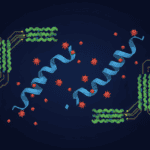

Your cells are under constant attack. Oxygen metabolism, UV radiation, and normal chemical reactions all produce reactive molecules that damage proteins, fats, and DNA. Yet most people don’t notice this happening because cells have evolved elegant defences. One of the more intriguing involves a small protein fragment called GHK that works like a molecular handyman, recruiting copper atoms to neutralise oxidative threats before they spiral out of control.
What is the GHK peptide
GHK is a tripeptide, meaning it consists of just three amino acids linked together: glycine, histidine, and lysine. That’s tiny by protein standards. Despite its simplicity, GHK has garnered attention from researchers studying cellular defence mechanisms because of what happens when it binds to copper.
The binding process is specific and elegant. The histidine residue in the middle acts like a magnet for copper ions. When copper arrives, it nestles into a coordination pocket formed by histidine and the surrounding peptide structure. This isn’t random chemistry. The geometry of the binding site favours copper over most other metals, creating a stable complex that remains active under cellular conditions.
What makes this coordination meaningful is what comes next. Once copper is secured in place, the whole complex becomes a miniature antioxidant machine. It can catalyse reactions that convert damaging free radicals into harmless compounds. The copper essentially acts as an electron shuttle, moving reactive species around until they lose their destructive potential.
What the research shows
Studies examining GHK’s function reveal something straightforward: when cells experience oxidative stress, GHK appears to enhance their capacity to neutralise free radicals. Researchers observing this process at the molecular level found that the GHK-copper complex actively participates in dismutase reactions, breaking down superoxide radicals into oxygen and hydrogen peroxide, which cells can then metabolise safely.
The efficiency of this system depends on stable copper coordination. Experiments measuring antioxidant activity show that GHK-copper complexes outperform free copper alone. The peptide’s structure keeps copper in the optimal oxidation state for catalytic work, preventing it from becoming saturated or inactive. When copper coordination is disrupted, the antioxidant benefit largely disappears.
Research also demonstrates that cells can produce or accumulate GHK under certain conditions. In response to stress signals, cells upregulate production of the peptide, effectively increasing their capacity to bind copper and enhance antioxidant defences. This suggests GHK functions as part of a coordinated cellular response rather than simply existing in fixed amounts.
Why cells need this
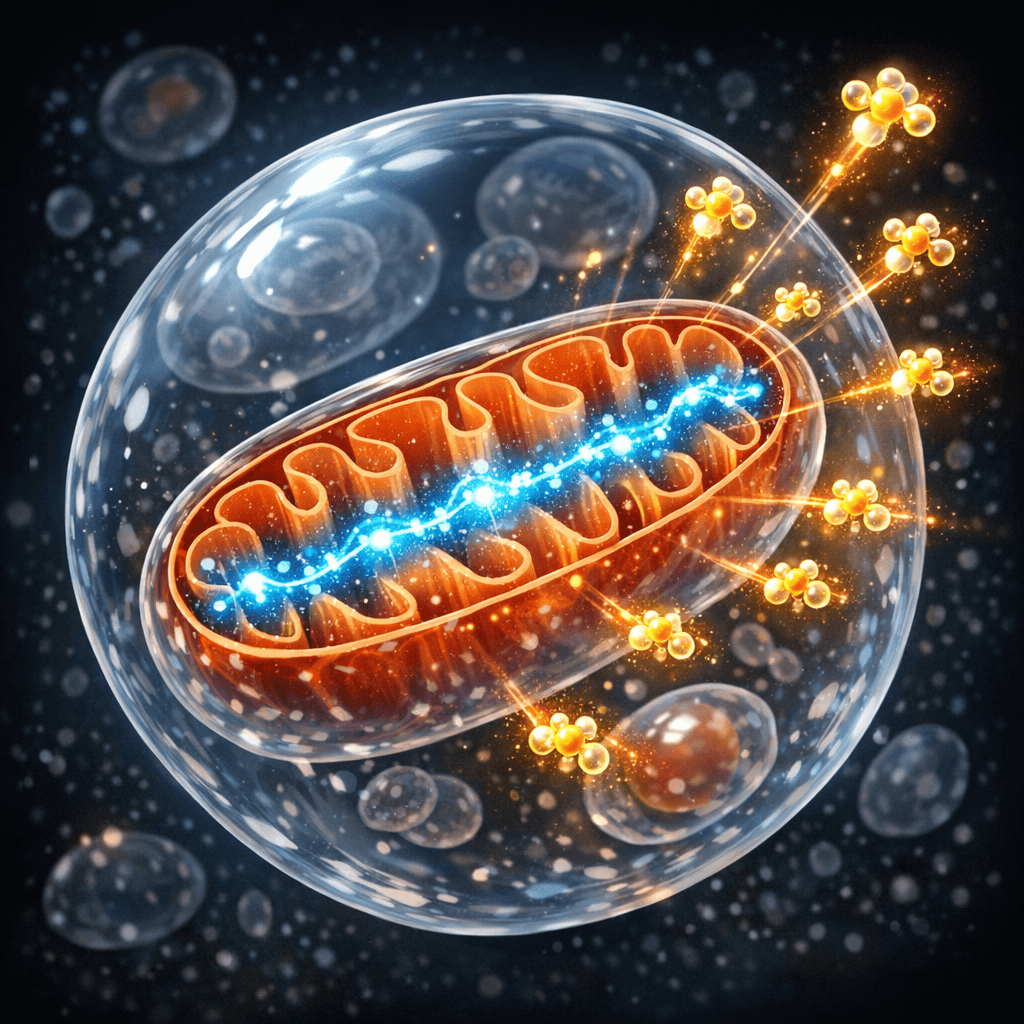
Oxidative stress doesn’t just happen occasionally. It’s a continuous reality of aerobic metabolism. Mitochondria, the cellular powerhouses, produce reactive oxygen species as a byproduct of energy generation. This happens constantly, in every aerobic organism. Cells cannot simply avoid oxidative stress, so they’ve evolved multiple overlapping systems to manage it.
Copper is essential to these systems. The human body requires copper for several critical antioxidant enzymes, including cytochrome c oxidase and superoxide dismutase. But free copper is dangerous. Too much circulating copper causes damage. GHK and similar peptides solve this problem by binding copper in a form that’s both bioavailable and controlled. The peptide essentially acts as a escort service for copper, delivering it where needed whilst preventing accumulation in sensitive areas.
The fact that organisms preserve this mechanism across evolutionary time suggests it provides genuine survival advantage. Cells unable to coordinate copper effectively would struggle under oxidative load. Natural selection would favour organisms with better copper handling systems. That GHK remains prevalent suggests it’s an economical, effective solution to a perpetual problem.
What affects GHK peptide function
Copper availability is the obvious factor. In copper-deficient states, GHK loses its primary partner and cannot exert its antioxidant effects. Conversely, excess copper doesn’t necessarily improve GHK function beyond a certain point. The coordination pocket has limited capacity, and excessive copper can aggregate or cause unrelated damage.
Cellular pH influences copper coordination kinetics. The histidine residue in GHK changes its chemical properties across different pH ranges. Acidic conditions alter binding affinity. This means GHK’s activity fluctuates depending on the local cellular environment, giving cells another layer of control over when and where these antioxidant mechanisms activate.
Ageing affects GHK production and copper handling more broadly. Older cells show altered expression of peptides involved in metal coordination. Simultaneously, mitochondrial copper utilisation declines. These changes don’t necessarily indicate disease, but they do shift the balance of oxidative stress regulation. Environmental factors also matter: dietary copper intake, heavy metal exposure, and oxidative stress from pollution or UV exposure all influence how much GHK activity cells actually need.
What remains unknown
The field still lacks complete clarity on how cells regulate GHK production in response to stress. Researchers can observe that levels change, but the specific signalling pathways and transcriptional controls remain incompletely mapped. Do stress-sensing proteins directly upregulate GHK genes, or does the effect occur through intermediate steps? This matters for understanding how cells prioritise different defence mechanisms.
The relative contribution of GHK-copper versus other copper-dependent defences is also unclear. Cells possess multiple antioxidant systems working simultaneously. Isolating GHK’s specific contribution in living organisms is technically challenging. Most evidence comes from cell culture or isolated molecular systems. How important GHK actually is for whole-organism antioxidant defence remains an open question.
Questions also persist about GHK’s interaction with other signalling pathways. Beyond simple antioxidant activity, does the peptide influence gene expression, inflammation, or cellular repair mechanisms? Some research suggests broader effects, but the mechanisms remain speculative. Future work will likely reveal whether GHK-copper primarily acts as a chemical scavenger or participates in more complex cellular signalling.
The copper coordination story in GHK exemplifies how cells solve fundamental problems through elegant chemistry. A three amino acid peptide solves the paradox of needing copper whilst keeping it controlled. Understanding these mechanisms reveals why cellular health depends on precise mineral balance and proper protein function. As research continues, the GHK system may illuminate broader principles about how cells regulate the molecular machines that protect them from constant biochemical threats.

Matt Elliott is the editor of Redox News Today, an independent publication covering peer-reviewed research on cellular health, redox signalling, and related biomedical science.