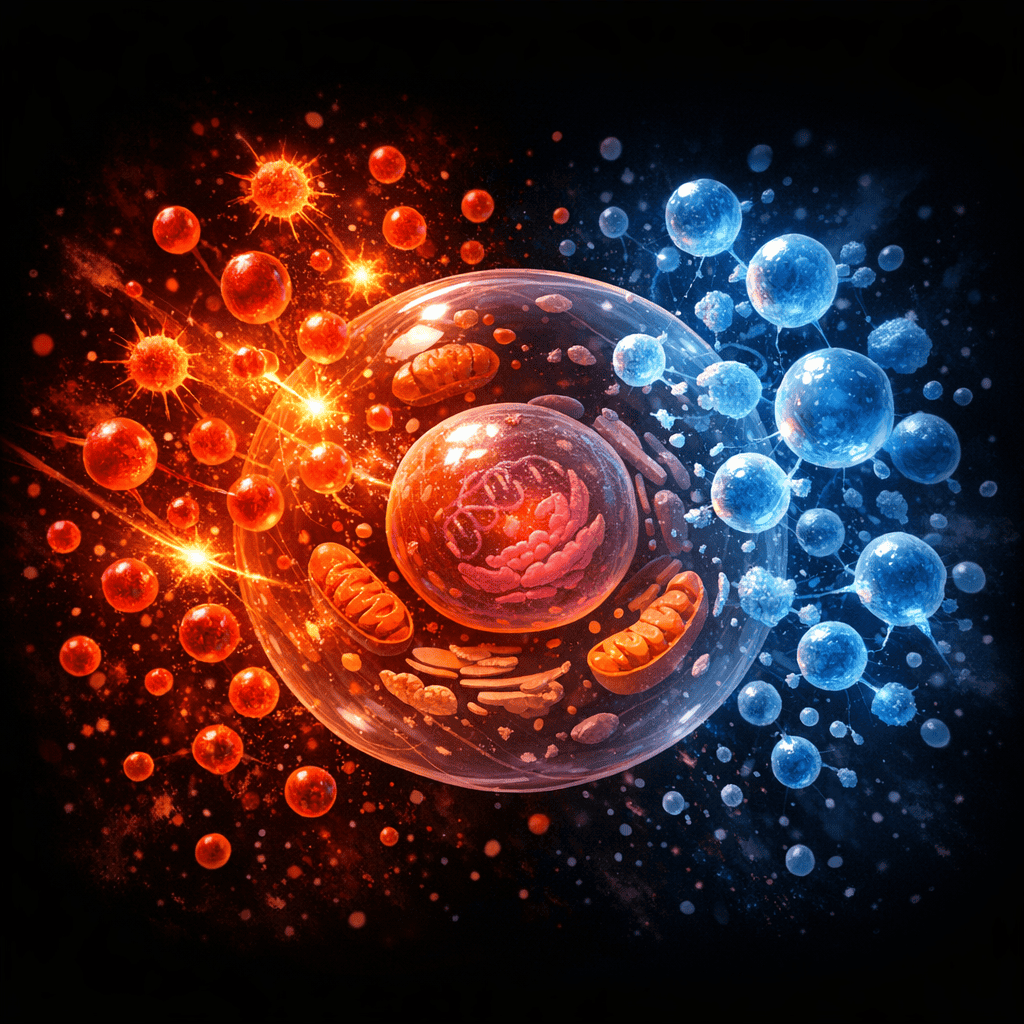

A 22-year-old’s brain is still building connections. The prefrontal cortex, which handles decision-making and impulse control, won’t fully mature until the mid-20s. Now add alcohol to that developing system, and something specific happens at the cellular level: reactive molecules start tearing through neural tissue faster than cells can repair the damage. This isn’t just about hangovers. It’s oxidative stress, and it’s reshaping how neuroscientists think about alcohol’s impact on young brains.
What is oxidative stress
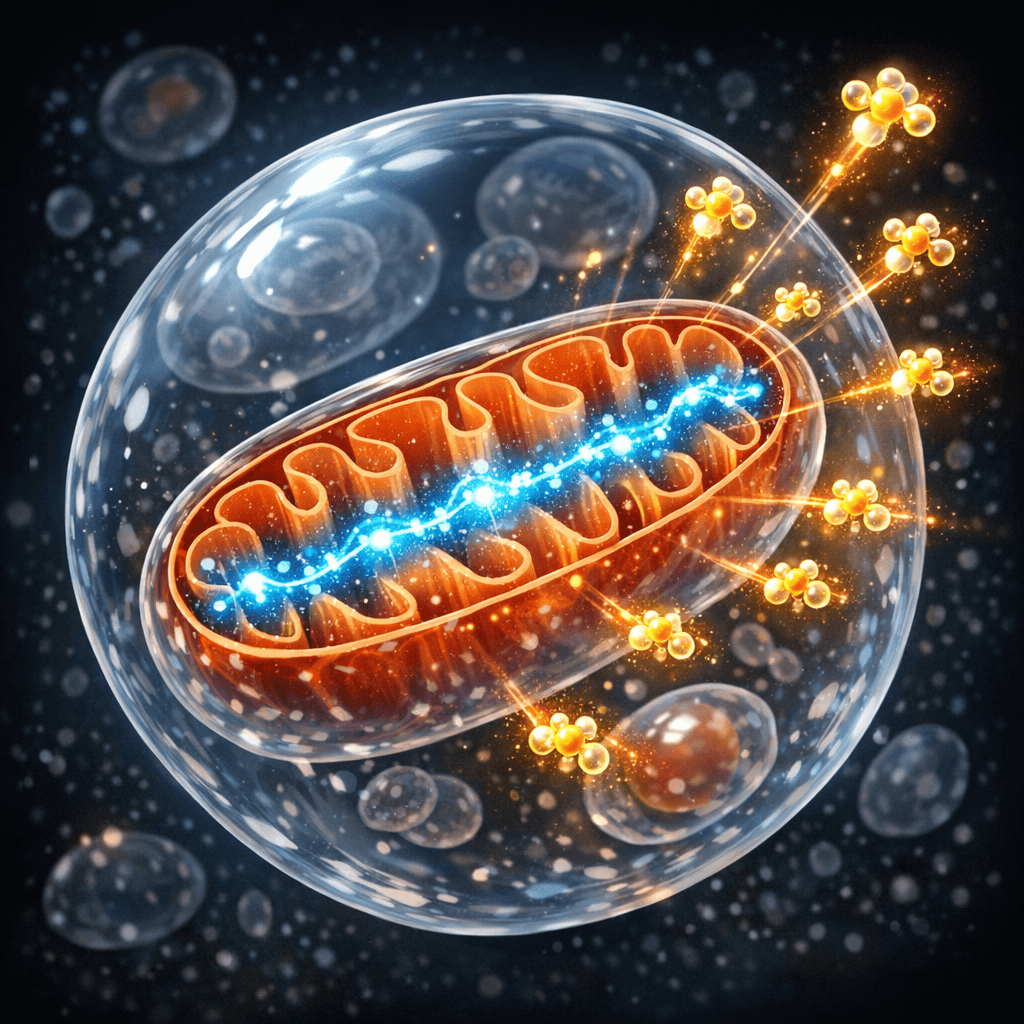
Your cells are constantly burning fuel. Mitochondria, the energy factories inside each cell, split glucose and fat molecules to power everything you do. This process generates electrons that need to go somewhere, and sometimes they escape early, creating unpaired free radicals. These radicals are unstable. They attack proteins, fats, and DNA, trying to steal electrons from them. That’s oxidative stress: an imbalance between how many free radicals your cells produce and how many your antioxidant defence systems can neutralise.
Most of the time, your cells handle this fine. Enzymes like superoxide dismutase and catalase patrol your mitochondria, mopping up rogue radicals. Your diet supplies additional backup in the form of dietary antioxidants. But some situations overwhelm these defences. One of them is heavy alcohol consumption, especially in young adults whose brain tissue is metabolically active and still vulnerable.
What the research shows
When alcohol reaches the brain, enzymes break it down in stages. The first enzyme, alcohol dehydrogenase, converts ethanol to acetaldehyde. That intermediate is toxic, and breaking it down further generates free radicals as a byproduct. Young brains appear particularly susceptible because they’re operating at higher metabolic rates than adult brains. They’re forming new synapses, pruning unused connections, and rebuilding myelin sheaths. All of that requires energy, and all of that energy production generates free radicals.
Research into alcohol’s effects on young animal brains shows measurable increases in markers of oxidative stress within hours of exposure. Lipid peroxidation increases, meaning free radicals are damaging the fatty membranes that surround cells and organelles. Protein oxidation markers spike. Glutathione, one of the brain’s main antioxidant molecules, becomes depleted as cells burn through their reserves trying to cope. The mitochondrial DNA itself shows signs of oxidative damage.
What’s particularly striking is that young brains show less efficient activation of antioxidant response pathways. When older brains detect oxidative stress, they upregulate genes that produce more defensive enzymes. Young brains do this too, but the response seems muted. This lag means oxidative damage accumulates faster than repair mechanisms can address it.
Why cells need this
The fact that cells generate free radicals in the first place seems wasteful, but evolution preserved this system because free radicals actually serve functions. They’re part of cell signalling. They help regulate inflammation and immune responses. Some free radical production is necessary for normal brain development. The problem isn’t the existence of free radicals. It’s the volume and the timing.
Young brains are in a window of intense remodelling. They need to prune synapses, strengthen important connections, and reorganise neural circuits for learning and memory. This pruning involves controlled inflammation and immune cell activity. Controlled oxidative stress is part of that process. But alcohol disrupts the balance. It floods the system with free radicals beyond what the controlled, developmental process requires. The difference between a useful signal and damaging chaos is often just a matter of degree.
What affects oxidative stress in the brain
Frequency and quantity matter most. Heavy episodic drinking, the kind that produces blood alcohol levels above 0.08 per cent, generates significantly more free radical burden than moderate consumption. Young people’s drinking patterns often involve this kind of binge drinking, where large amounts arrive in the brain quickly. The metabolic machinery gets flooded.
Sleep status modulates oxidative stress responses. Sleep deprivation impairs antioxidant enzyme function and reduces glutathione synthesis. Young adults who drink heavily and sleep poorly face a compounding problem. Their antioxidant defences are running at reduced capacity while oxidative load increases.
Nutrition influences how well cells can mount an antioxidant response. Young people with diets low in antioxidant-rich foods (berries, leafy greens, nuts) have fewer dietary antioxidants available to help buffer alcohol’s effects. Conversely, regular aerobic exercise enhances mitochondrial antioxidant enzyme expression. Physical activity upregulates the genes that produce superoxide dismutase and catalase.
Sex appears to influence susceptibility. Some evidence suggests young female brains show greater oxidative stress markers following alcohol exposure, possibly because they metabolise alcohol differently and have variations in antioxidant enzyme expression. Hormonal status during the menstrual cycle may also affect vulnerability, though this area needs more research.
What remains unknown
The long-term consequences of repeated oxidative stress during the critical adolescent and early adult window are still being mapped. We know it damages cells acutely. We don’t yet fully understand how it reshapes the developing connectome or whether it causes permanent changes to cognitive capacity. Recovery is possible after single episodes, but does repeated oxidative damage during development prevent normal neural maturation?
The question of individual vulnerability remains open. Some young people show dramatic oxidative stress markers after alcohol exposure, while others show minimal response. Genetic variation in antioxidant enzyme genes probably explains some of this, but the research is preliminary. Why some adolescents develop alcohol-related cognitive deficits and others don’t likely involves both genetics and accumulated oxidative burden, but the precise combination isn’t clear.
We also don’t understand how oxidative stress during development interacts with other brain insults. A young person who drinks heavily and also experiences poor sleep, chronic stress, or inadequate nutrition faces compounded oxidative challenges. How these factors interact at the cellular level remains to be determined.
The oxidative stress story doesn’t explain everything about alcohol’s developmental neurotoxicity. Other mechanisms matter too: excitotoxicity from glutamate signalling, impaired synaptic plasticity, and disrupted neurotransmitter systems all play roles. But oxidative stress sits at the centre of many of these processes, acting as a bridge between alcohol exposure and cellular damage. Understanding it opens a window into why young brains are vulnerable, and why the choices made during this developmental window might have lasting consequences at the mitochondrial level.

Matt Elliott is the editor of Redox News Today, an independent publication covering peer-reviewed research on cellular health, redox signalling, and related biomedical science.