
Your retina burns through oxygen faster than almost any other tissue in your body. This metabolic intensity creates a constant barrage of reactive oxygen species that could destroy the delicate photoreceptor cells responsible for vision. Yet somehow, these cells survive decades of this oxidative assault.
What are modified omega-3 fatty acids
The eye doesn’t rely on standard omega-3 fatty acids found in fish oil. Instead, retinal cells produce highly modified versions called docosanoids and neuroprotectins. These molecules start as DHA (docosahexaenoic acid) but get transformed by specific enzymes into specialised defenders.
The modification process matters enormously. When cells detect oxidative stress or inflammation, they activate enzymes like 15-lipoxygenase and cyclooxygenase. These enzymes grab DHA molecules and reshape them into compounds with entirely different properties. The result is a family of molecules that can both prevent oxidative damage and help repair it when it occurs.
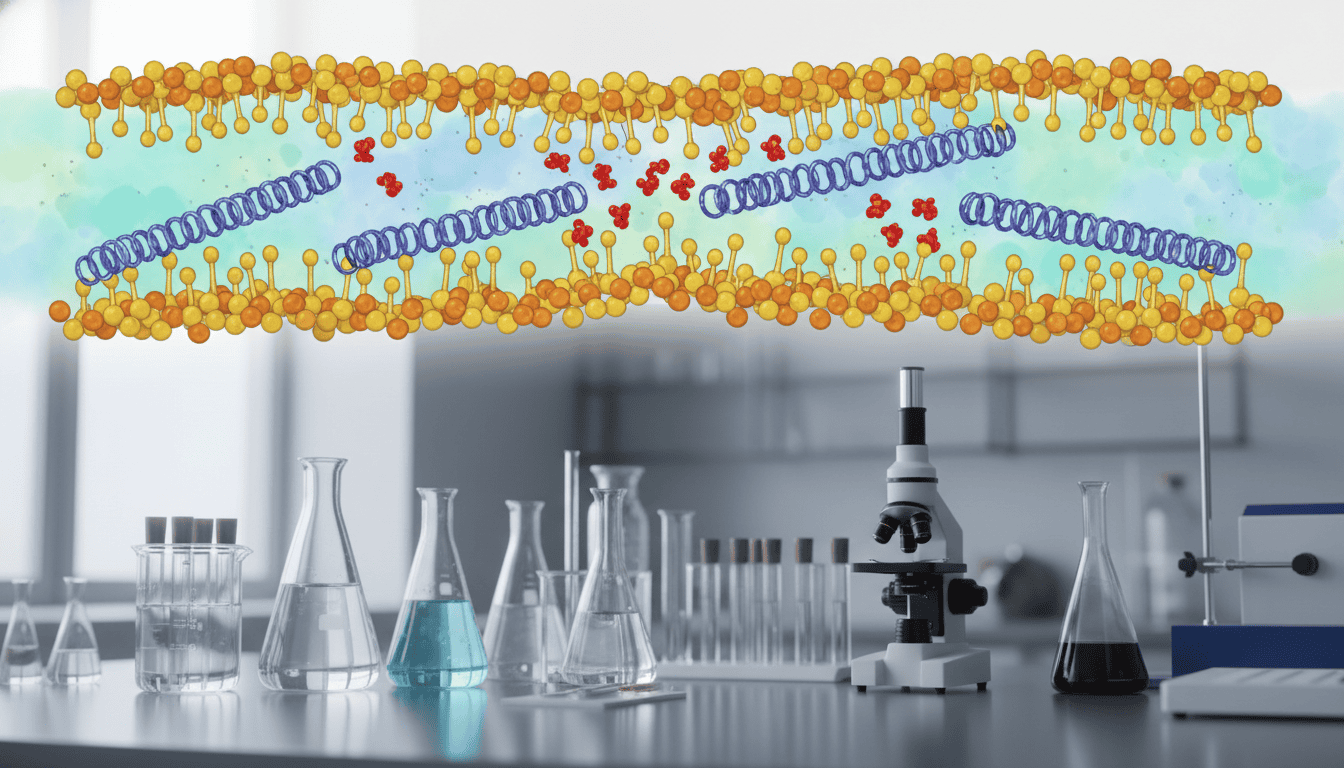
Think of it like upgrading standard building materials into fire-resistant versions. The basic structure remains similar, but the protective capabilities multiply. These modified omega-3s embed themselves directly into cellular membranes, where they can intercept damaging molecules before they reach critical cellular machinery.
What the research shows
Studies using isolated retinal cells reveal how this protection works in practice. When researchers expose these cells to oxidative stress, those with adequate modified omega-3s maintain their electrical activity and survive much longer. The protected cells show less lipid peroxidation and preserve their ability to respond to light signals.
The timing of protection proves equally revealing. Cells begin producing these modified omega-3s within minutes of detecting oxidative stress. This rapid response suggests an evolved defence system rather than a fortunate accident of biochemistry.
Laboratory experiments demonstrate that different modified omega-3s target different aspects of oxidative damage. Some prevent the initial formation of reactive oxygen species, while others neutralise them after they form. Still others help repair cellular components that have already suffered oxidative damage.
Animal studies show that retinas with higher concentrations of these modified fatty acids resist light-induced damage more effectively. When researchers examine the cellular debris after intense light exposure, they find significantly less protein oxidation and DNA damage in well-protected tissues.
Why cells need this defence
The evolutionary pressure that created this system becomes clear when you consider the eye’s unique challenges. Photoreceptor cells must capture photons to enable vision, but this same light energy can trigger oxidative reactions. The retina exists in a constant state of controlled combustion.
Standard antioxidants like vitamin C work well in water-based cellular compartments, but cell membranes are made of lipids. Oxidative damage in these fatty environments requires lipid-soluble defenders. Modified omega-3s excel in this role because they integrate directly into membrane structures while maintaining their protective properties.
The retina also has limited ability to regenerate damaged cells compared to other tissues. While your liver can rebuild itself after injury, photoreceptor cells that die from oxidative damage rarely get replaced. This makes prevention far more valuable than repair.
Blood flow patterns in the eye create additional oxidative stress. The retina receives intense oxygen delivery to fuel its high metabolic demands, but this same oxygen becomes a source of reactive molecules when cellular energy production falters.
What affects omega-3 modification
Age significantly impacts the eye’s ability to produce these protective molecules. Older retinal cells show reduced activity of the enzymes responsible for converting standard DHA into its modified forms. This decline may explain why oxidative damage accumulates more readily in ageing eyes.
Dietary omega-3 intake influences the raw materials available for modification, but having adequate DHA doesn’t guarantee sufficient production of protective derivatives. The conversion process depends on enzyme activity, which responds to various cellular signals including inflammation levels and energy status.
Light exposure patterns affect both the demand for protection and the cellular machinery that provides it. Constant bright light exposure can overwhelm protective systems, while complete darkness may reduce the cellular signals that maintain antioxidant enzyme activity.
Genetic variations in the enzymes that modify omega-3s create differences in protective capacity between individuals. Some people naturally produce higher levels of these defensive molecules, while others may struggle to maintain adequate protection even with optimal omega-3 intake.
Inflammatory conditions can either enhance or impair the modification process, depending on the type and severity of inflammation. Acute inflammation often triggers increased production of protective modified omega-3s, but chronic inflammation may exhaust these systems over time.
What remains unknown
Scientists still don’t fully understand how cells coordinate the production of different types of modified omega-3s. The eye produces dozens of these compounds, but the signals that determine which ones get made and when remain largely mysterious.
The interaction between modified omega-3s and other cellular antioxidant systems needs more research. Do these molecules work independently or as part of coordinated defence networks? The answer could reveal new approaches to supporting cellular protection.
Researchers are still mapping exactly which cellular structures benefit most from this protection. While membrane protection is well established, evidence suggests these modified fatty acids may also protect DNA and protein-based cellular machinery through mechanisms that aren’t yet clear.
The role of modified omega-3s in cellular repair processes remains an active area of investigation. Some evidence suggests these molecules don’t just prevent damage but actively promote healing, though the mechanisms behind this repair function need clarification.
The bigger picture
This research reveals how cells have evolved sophisticated chemical factories that transform basic nutrients into highly specialised defensive tools. The eye’s approach to oxidative protection illustrates a broader principle in cellular biology: cells don’t just passively absorb nutrients but actively reshape them to meet specific functional needs. Understanding these modification processes opens windows into how cellular protection systems operate throughout the body, from the brain to the cardiovascular system.

Matt Elliott is the editor of Redox News Today, an independent publication covering peer-reviewed research on cellular health, redox signalling, and related biomedical science.