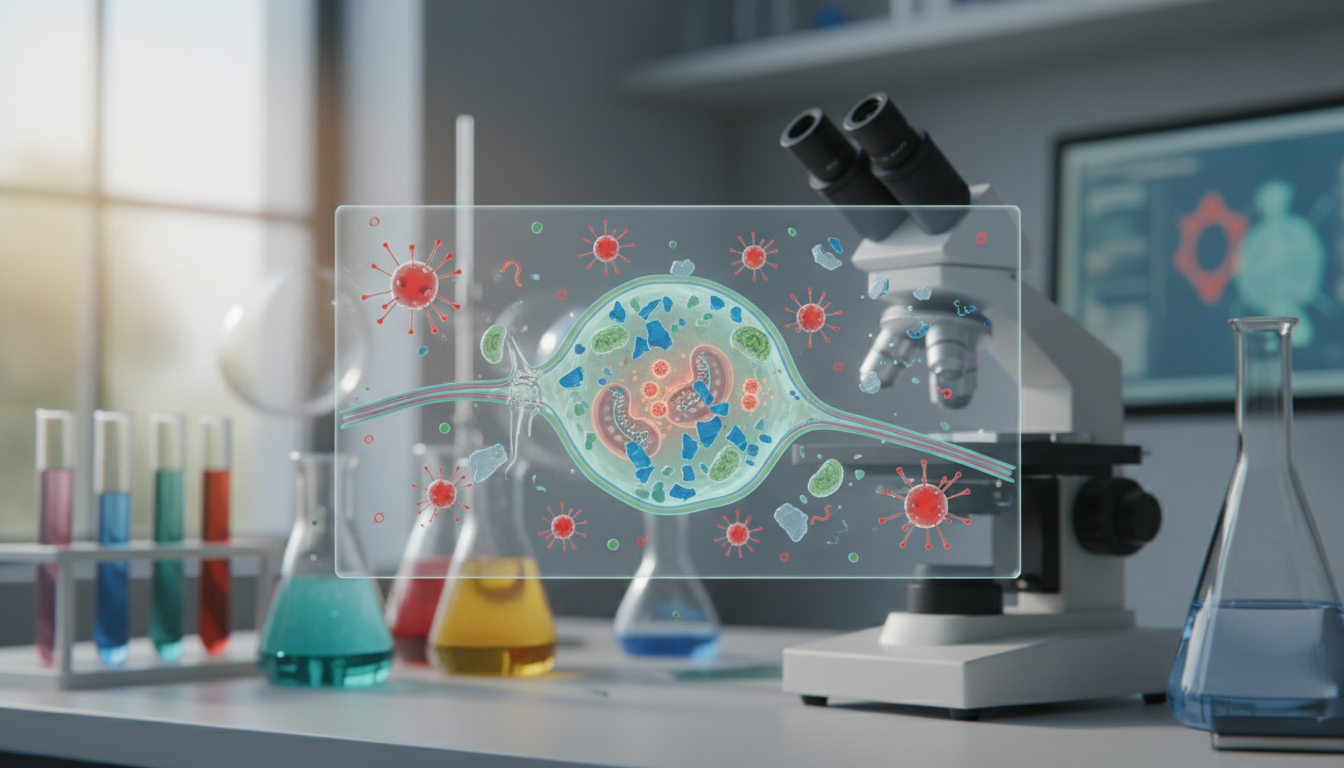
Every time you open a plastic water bottle, tiny fragments break off. When you wash synthetic clothing, microplastic fibres flow down the drain. These microscopic particles are now so ubiquitous that scientists find them in human blood, lung tissue, and even placental cells. But here’s what researchers are discovering: once inside our bodies, these plastic fragments don’t just sit there passively.
What is microplastic-induced oxidative stress
Microplastics are plastic fragments smaller than 5 millimetres. They’re everywhere. In ocean water, tap water, food, and the air we breathe. When these particles enter our cells, they trigger a cascade of chemical reactions that can overwhelm cellular defences.
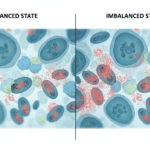
Oxidative stress happens when cells produce more reactive oxygen species (free radicals) than their antioxidant systems can neutralise. Think of it like a factory where the waste production suddenly exceeds the cleanup crew’s capacity. Free radicals start damaging cellular machinery including proteins, lipids, and DNA.
Microplastics act as foreign invaders. When immune cells encounter these particles, they mount an inflammatory response that generates massive amounts of reactive oxygen species. The plastic fragments themselves can also carry toxic chemicals absorbed from the environment, adding another layer of cellular stress.
What the research shows
Laboratory studies reveal that microplastics consistently increase oxidative stress markers in cells. Researchers expose cell cultures to various plastic particles and measure the fallout. They see increased production of hydrogen peroxide and superoxide radicals. Antioxidant enzyme levels drop while inflammatory signals spike.
Different plastic types cause different levels of damage. Polystyrene particles (used in disposable cups and packaging) appear particularly toxic to cells. PVC microplastics trigger strong inflammatory responses. Even supposedly safer plastics like polyethylene create measurable oxidative stress when broken down into microscopic pieces.
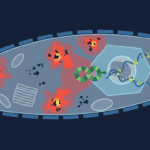
Size matters too. Smaller particles penetrate deeper into tissues and cross cellular membranes more easily. Nanoplastics under 1 micrometre can enter mitochondria, the cell’s powerhouses, disrupting energy production and triggering massive free radical release.
Animal studies show the real-world effects. Mice exposed to microplastics develop increased oxidative stress in their liver, kidneys, and brain tissue. Their antioxidant systems become depleted over time. Fish studies reveal similar patterns, with microplastic exposure leading to tissue damage and impaired cellular repair mechanisms.
Why cells need protection from foreign particles
Our cells evolved sophisticated defence systems over millions of years, but plastic has only existed for about a century. Evolutionary biology helps explain why microplastics cause such cellular chaos.
Cells recognise microplastics as foreign threats, similar to how they respond to bacteria or viruses. The immune system activates, releasing inflammatory chemicals and generating reactive oxygen species to neutralise the perceived invader. But unlike biological threats, plastic particles don’t break down or get eliminated effectively.
This creates a state of chronic activation. Immune cells keep producing oxidative stress signals, trying to deal with particles that won’t disappear. It’s like a car alarm that won’t turn off. The constant inflammatory response depletes cellular energy reserves and overwhelms natural antioxidant defences.
Mitochondria are particularly vulnerable. These cellular powerhouses weren’t designed to handle synthetic polymers. When microplastics interfere with mitochondrial function, cells lose their primary energy source and their main antioxidant production facility simultaneously.
What affects microplastic-induced oxidative stress
Age plays a significant role in how cells handle microplastic exposure. Younger organisms typically show better recovery from oxidative damage, while older animals demonstrate more severe and lasting effects. Their cellular repair systems simply can’t keep up with the constant assault.
Pre-existing health conditions amplify the problem. Cells already dealing with chronic inflammation or metabolic stress are more vulnerable to microplastic damage. It’s like adding weight to someone already carrying a heavy load.
Diet influences cellular resilience. Research suggests that foods rich in natural antioxidants may help buffer some oxidative damage, though they can’t eliminate it entirely. Vitamin C, vitamin E, and compounds like polyphenols support cellular antioxidant systems.
Exposure patterns matter. Chronic low-level exposure appears different from acute high-dose exposure in terms of cellular response. Cells can sometimes adapt to constant low-level stress, but this adaptation comes at a metabolic cost.
The source of microplastics also influences toxicity. Particles that have absorbed environmental pollutants or contain plasticiser chemicals create more oxidative stress than relatively clean plastic fragments.
What remains unknown
Scientists are still mapping out the long-term consequences of chronic microplastic exposure. Most studies span weeks or months, but humans are exposed over decades. How do cells adapt, and what’s the cumulative cost of that adaptation?
The interaction between different plastic types remains unclear. Real-world exposure involves mixtures of various microplastics, each potentially triggering different cellular responses. Do they work together to amplify oxidative stress, or do cells develop cross-resistance?
Individual variation is another puzzle. Some people’s cells seem more resistant to microplastic-induced oxidative stress than others. Genetic factors likely play a role, but researchers haven’t identified the key genes or mechanisms involved.
The role of the microbiome adds complexity. Gut bacteria can potentially break down some plastics or modify their toxicity. How this bacterial processing affects downstream oxidative stress in human cells needs more investigation.
Researchers also want to understand if cells can develop effective defence mechanisms against microplastics over time, or if the damage simply accumulates inexorably.
The emerging picture shows that our cells are dealing with an entirely new type of environmental challenge. Microplastics represent a novel form of pollution that directly interferes with basic cellular processes. Understanding these mechanisms won’t just inform us about plastic pollution, it’s teaching scientists about cellular resilience, adaptation limits, and the intricate balance that keeps our cells functioning in an increasingly complex chemical world.

Matt Elliott is the editor of Redox News Today, an independent publication covering peer-reviewed research on cellular health, redox signalling, and related biomedical science.