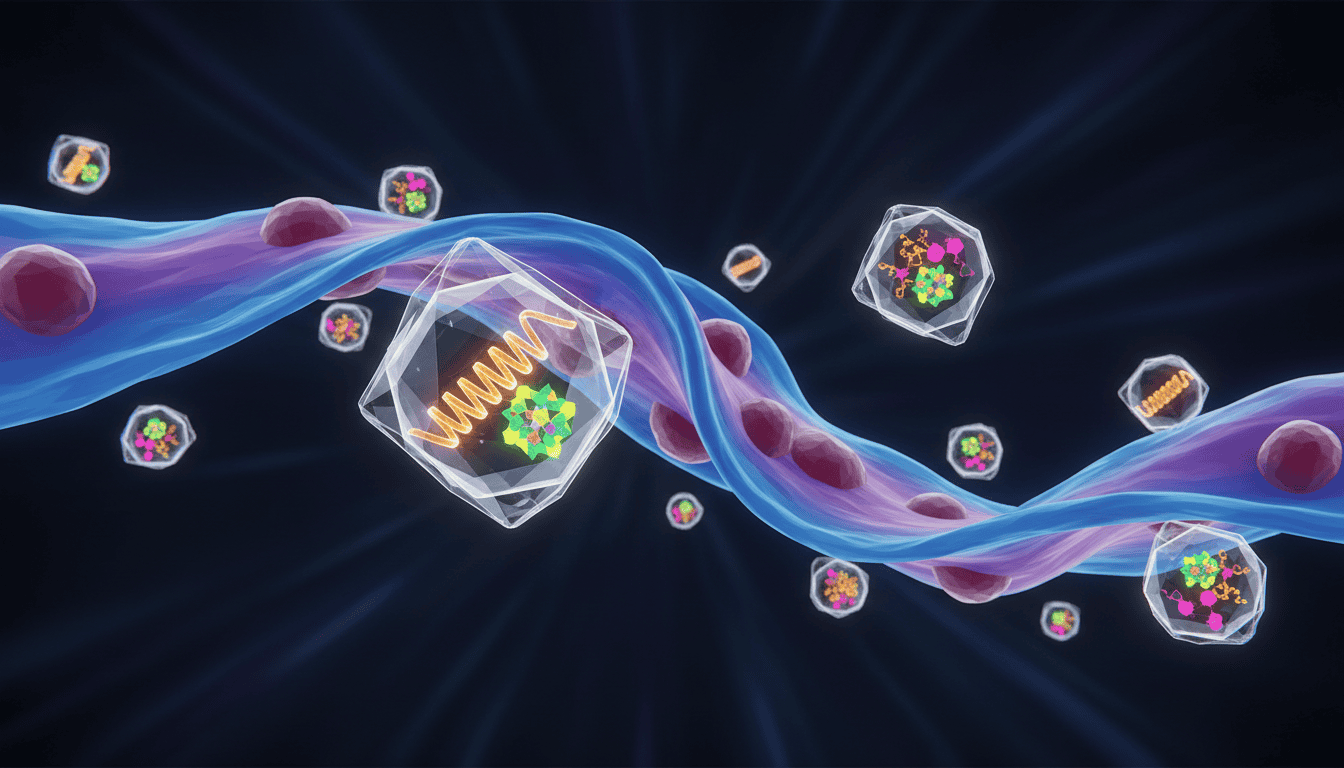
Your heart cells are under attack from the very drug that’s supposed to save your life. Doxorubicin, a powerful chemotherapy agent, kills cancer cells effectively but creates a storm of oxidative damage in healthy heart tissue. The drug works by generating reactive oxygen species that overwhelm cellular defences, leaving behind a trail of damaged proteins, lipids, and DNA. Yet some patients develop severe cardiac complications while others don’t.
The difference might lie in tiny packages that cells release to communicate with each other. These microscopic bubbles, called extracellular vesicles, carry molecular cargo that can either amplify damage or provide protection.
What are extracellular vesicles
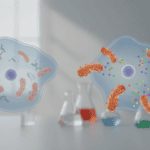
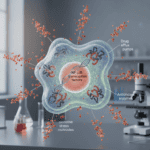
Extracellular vesicles are membrane-bound packages that cells release into their surroundings. Think of them as molecular care packages. When a cell packages up proteins, lipids, RNA molecules, and other cellular components into these tiny spheres, it’s essentially sending instructions or supplies to neighbouring cells.
These vesicles come in different sizes and types. Exosomes, the smallest variety, form inside cells and get released when internal storage compartments fuse with the outer membrane. Microvesicles pinch off directly from the cell surface. Both types travel through blood, lymph, and tissue fluid to reach distant cells.
The cargo inside these vesicles isn’t random. Cells carefully select what to package based on their current state and the needs of surrounding tissues. A stressed cell might load its vesicles with alarm signals, while a healthy cell might send maintenance supplies.
What the research shows
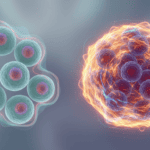
Scientists have discovered that certain extracellular vesicles can protect heart cells from doxorubicin-induced damage. When researchers exposed cardiac cells to this chemotherapy drug, the cells experienced the expected surge in oxidative stress. Proteins became damaged, cellular energy production faltered, and cell death pathways activated.
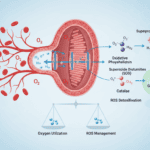
But something different happened when they added extracellular vesicles derived from healthy stem cells or cardiac progenitor cells. The protective vesicles delivered antioxidant enzymes directly to stressed heart cells. These enzymes included catalase, superoxide dismutase, and glutathione peroxidase, which work together to neutralise reactive oxygen species.
The vesicles also carried microRNAs that modified gene expression in recipient cells. These small RNA molecules ramped up the cell’s own antioxidant production while suppressing inflammatory pathways. Within hours of treatment, researchers observed reduced markers of oxidative damage and improved cell survival.
Animal studies showed similar protective effects. Hearts treated with therapeutic extracellular vesicles maintained better function after doxorubicin exposure, with less tissue damage and preserved pumping capacity.
Why cells need this protection
The heart faces unique challenges when dealing with oxidative stress. Cardiac muscle cells contract continuously throughout life, demanding enormous amounts of energy. This high metabolic activity generates reactive oxygen species as a natural byproduct, even under normal conditions.
Heart cells have limited regenerative capacity compared to other tissues. When a cardiac cell dies, it’s often replaced by scar tissue rather than new functional muscle. This makes protection mechanisms especially critical for maintaining long-term heart function.
Extracellular vesicles provide a way for healthy cells to support their struggling neighbours without direct contact. A single vesicle can deliver multiple types of protective cargo simultaneously, creating a coordinated cellular response. This communication system allows tissues to respond rapidly to threats and share resources where they’re needed most.
The packaging system also protects delicate molecules during transport. Proteins and RNAs that would quickly degrade in the bloodstream remain stable inside vesicle membranes, reaching their targets intact and functional.
What affects vesicle protection
The protective capacity of extracellular vesicles depends heavily on the health of their source cells. Vesicles from young, healthy cells typically carry more antioxidant enzymes and beneficial RNAs than those from aged or diseased cells.
Cellular stress levels influence vesicle contents. Mild oxidative stress can actually improve the protective cargo in released vesicles, as cells upregulate their defence systems and share these improvements with neighbours. Severe stress, however, leads to vesicles packed with damage signals rather than protective factors.
Physical exercise appears to enhance the production of beneficial extracellular vesicles. Studies show that circulation levels of protective vesicles increase after moderate physical activity, possibly contributing to exercise’s cardioprotective effects.
Diet and metabolism also play roles. Cells from well-nourished organisms tend to produce vesicles with better antioxidant content. Conversely, high-fat diets or metabolic dysfunction can reduce vesicle quality and protective capacity.
Age significantly affects vesicle function. Older individuals produce fewer protective vesicles, and the ones they do make often carry less effective cargo. This age-related decline might contribute to increased vulnerability to drug-induced cardiac damage in elderly patients.
What remains unknown
Researchers are still working out the precise mechanisms that determine vesicle cargo selection. Why do some cells package powerful antioxidants while others don’t? The cellular machinery that sorts and loads these molecular packages remains partially mysterious.
The timing of vesicle release and uptake needs better understanding. Do cells coordinate their vesicle production, or does this happen randomly? How long do protective effects last after vesicles deliver their cargo?
Scientists don’t fully understand how vesicles navigate to specific target cells. Some seem to travel randomly through body fluids, while others appear directed to particular tissues. The guidance mechanisms could reveal new ways to enhance therapeutic delivery.
The optimal source for therapeutic vesicles remains debated. Should they come from stem cells, cardiac cells, or other cell types? Different sources provide different benefits, but researchers haven’t identified the most effective approach for each situation.
Long-term safety questions persist. While vesicle treatments show promise in laboratory studies, their effects in complex biological systems over months or years need further investigation.
This research opens up new ways of thinking about cellular communication and protection. Rather than viewing cells as isolated units, we’re learning they exist in constant dialogue, sharing resources and coordinating responses through these microscopic packages. Understanding this communication network could transform how we approach not just chemotherapy side effects, but cellular damage in ageing, disease, and recovery. The cell’s own delivery system might hold keys to protection we’re only beginning to appreciate.

Matt Elliott is the editor of Redox News Today, an independent publication covering peer-reviewed research on cellular health, redox signalling, and related biomedical science.