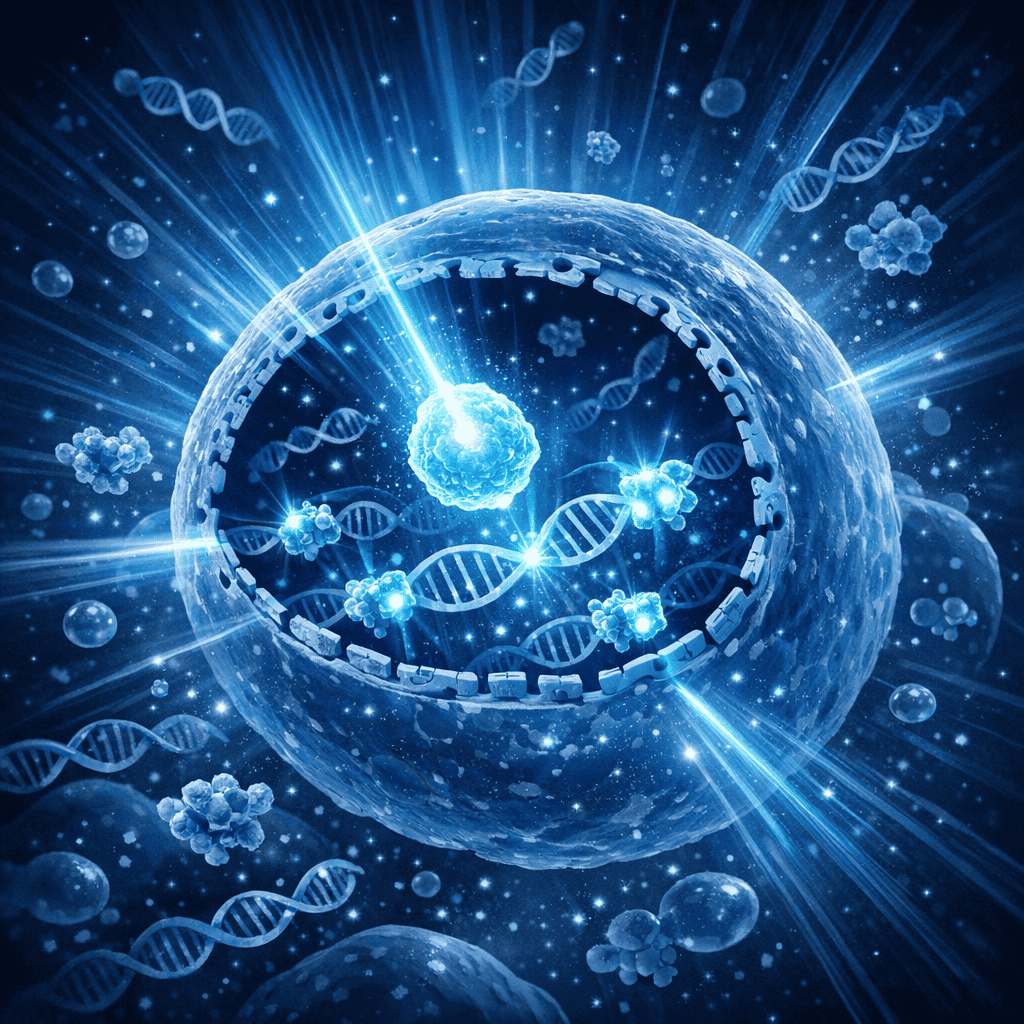
A father’s antioxidant status doesn’t just affect his own health. It directly influences the epigenetic patterns written onto his sperm DNA, potentially shaping gene expression in his children and even grandchildren. This biological reality means that oxidative stress in males can leave molecular signatures that travel across generations.
What is sperm DNA methylation
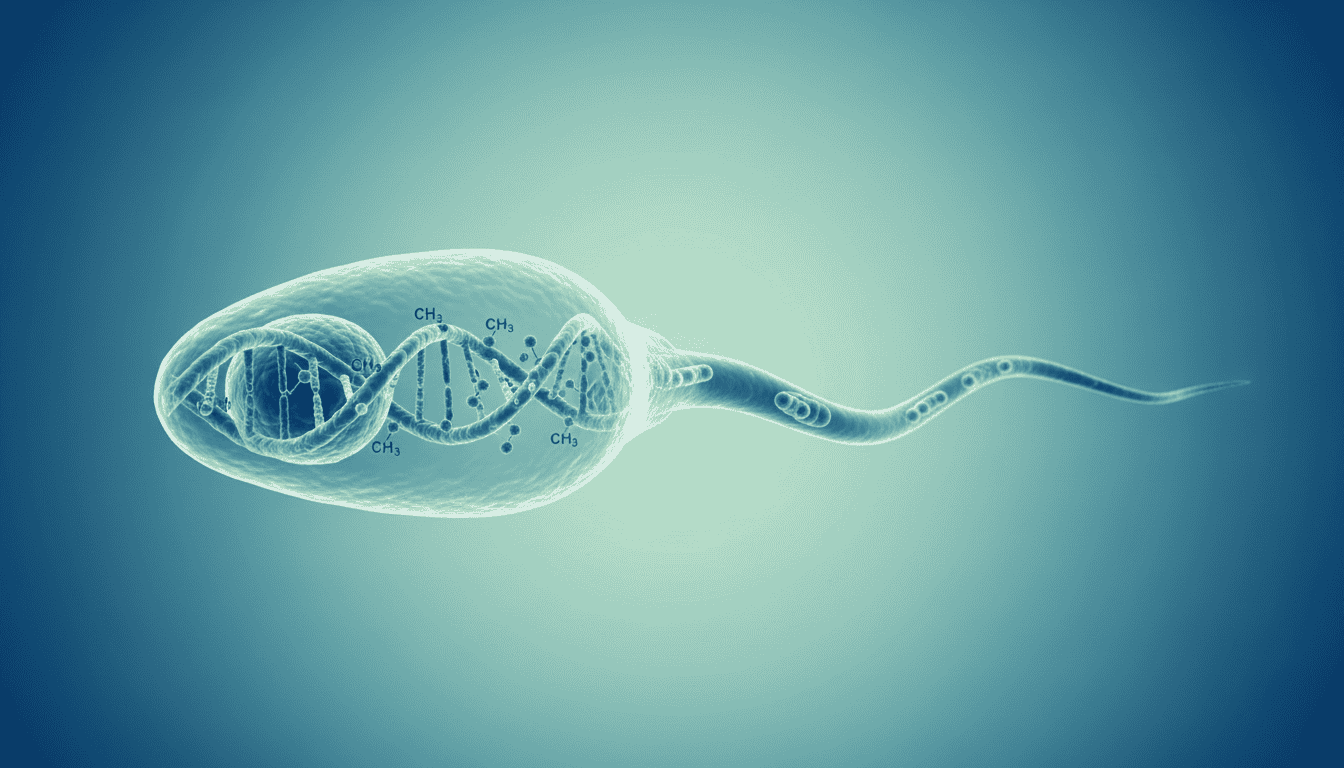
DNA methylation works like molecular punctuation marks scattered across the genome. These chemical tags, primarily methyl groups attached to cytosine bases, don’t change the DNA sequence itself but dramatically alter how genes get read and expressed. Think of it as the difference between reading a sentence with and without commas and full stops.
Sperm cells carry their own unique methylation patterns. Unlike most other cells in the body, sperm undergo extensive reprogramming during development, erasing most existing methylation marks and establishing new ones. This process creates a distinct epigenetic landscape that influences early embryonic development and can persist into adulthood.
The methylation patterns in sperm aren’t random. They cluster around specific regions that regulate gene expression, particularly genes involved in metabolism, stress response, and development. These patterns can influence how the resulting embryo develops and how genes function throughout the offspring’s life.
What the research shows
Studies examining sperm from men with different antioxidant levels reveal striking differences in DNA methylation patterns. Men with higher oxidative stress show altered methylation at hundreds of genetic sites compared to those with better antioxidant defence systems.
The changes aren’t subtle. Researchers have documented methylation differences of 20-40% at certain gene regions when comparing sperm from men with high versus low antioxidant status. These differences cluster around genes involved in metabolic regulation, immune function, and stress response pathways.
Animal studies provide even more detailed pictures. Male mice fed antioxidant-depleted diets produce sperm with dramatically altered methylation patterns. When these males breed, their offspring show changes in gene expression that match the father’s altered sperm methylation signature. Some of these changes persist into the second generation, suggesting true transgenerational inheritance.
The timing matters enormously. The most sensitive period appears to be during spermatogenesis, the 74-day process of sperm development. Oxidative stress during this window can alter the methylation programming that occurs as sperm mature, creating lasting epigenetic changes.
Why cells need this
This system likely evolved as a way for fathers to transmit environmental information to their offspring. If a male experiences chronic stress or nutritional challenges, altered sperm methylation patterns could theoretically prepare his offspring for similar conditions by pre-emptively adjusting their gene expression.
The biological logic makes sense from an evolutionary perspective. Sperm represent a father’s genetic investment in the next generation, so mechanisms that allow environmental information to influence this investment could provide adaptive advantages. A father who has survived in a harsh environment might benefit from passing along genetic instructions that help his offspring handle similar challenges.
However, this system becomes problematic in modern environments where oxidative stress often comes from lifestyle factors rather than genuine environmental threats. The same mechanism that might have helped ancestral populations adapt could now transmit the molecular consequences of poor diet, pollution exposure, or chronic stress to the next generation.
What affects antioxidant-mediated sperm methylation
Diet plays a central role. Men consuming diets rich in vitamin C, vitamin E, selenium, and other antioxidants show more stable sperm methylation patterns compared to those with poor nutritional status. The Mediterranean diet pattern, with its emphasis on fruits, vegetables, and healthy fats, correlates with healthier sperm methylation profiles.
Age significantly influences this process. Older men show increased oxidative stress and correspondingly altered sperm methylation patterns. The changes become particularly pronounced after age 40, when antioxidant defence systems begin declining and oxidative damage accumulates.
Environmental exposures matter enormously. Air pollution, smoking, and chemical exposures all increase oxidative stress and alter sperm methylation. Men in highly polluted areas show distinct methylation signatures in their sperm compared to those in cleaner environments.
Physical activity creates a complex picture. Moderate exercise boosts antioxidant defence systems and supports healthy sperm methylation. But excessive exercise can increase oxidative stress and potentially disrupt normal methylation patterns. The dose makes the difference.
Stress and sleep also influence the system. Chronic psychological stress increases oxidative damage throughout the body, including in developing sperm. Poor sleep quality correlates with altered antioxidant status and changes in sperm epigenetic patterns.
What remains unknown
Scientists still don’t fully understand which specific methylation changes actually affect offspring health versus those that represent neutral variation. Not every difference in sperm methylation necessarily translates into meaningful biological consequences for children.
The mechanisms connecting oxidative stress to methylation changes remain partly mysterious. Researchers know that reactive oxygen species can interfere with the enzymes that add and remove methyl groups, but the precise molecular pathways are still being mapped.
The transgenerational aspects present the biggest puzzle. While animal studies clearly demonstrate that some paternally inherited methylation changes persist for multiple generations, human studies haven’t yet established how common or significant this phenomenon is in our species.
Individual variation adds another layer of complexity. Some men seem more susceptible to oxidative stress-induced methylation changes than others, but the genetic and environmental factors that determine this susceptibility aren’t well characterised.
This research reveals reproduction as something far more dynamic than simply passing along DNA sequences. The chemical modifications that decorate those sequences carry information too, creating a parallel inheritance system influenced by a father’s cellular environment. Understanding these patterns helps explain how environmental influences can echo across generations, written in the molecular language of methylation marks that travel from father to child through the elegant complexity of sperm cell biology.

Matt Elliott is the editor of Redox News Today, an independent publication covering peer-reviewed research on cellular health, redox signalling, and related biomedical science.