
Drop the pH inside a human cell by just half a point, and watch proteins unfold like origami in reverse. Enzymes stop working. DNA repair grinds to a halt. The cell dies within hours. Yet every moment of every day, your cells face constant threats to their delicate acid-base balance, from the carbon dioxide you exhale to the lactate your muscles produce during exercise.
What is cellular pH balance
pH measures how acidic or alkaline something is on a scale from 0 to 14. Pure water sits at neutral 7. Lemon juice hovers around 2. Household bleach reaches 12. Your cells maintain their internal pH around 7.2, slightly alkaline, with a tolerance range narrower than a guitar string’s tuning.
This precision matters because cellular machinery operates like a Swiss watch. Proteins fold into specific shapes based partly on the electrical charges of their amino acids. Change the pH, and you change how these charges interact. Enzymes that catalyse biochemical reactions have optimal pH ranges, often within 0.2 units. Stray too far, and the enzyme changes shape enough to lose function.
Cells face pH challenges from multiple directions. Metabolism produces acidic byproducts constantly. Carbon dioxide from cellular respiration dissolves into carbonic acid. Anaerobic metabolism during intense exercise floods tissues with lactic acid. Meanwhile, some cellular processes generate alkaline conditions. The cell must buffer all these fluctuations while maintaining the narrow pH window that keeps life running.
What the research shows
Scientists have identified several sophisticated systems cells use to maintain pH homeostasis. The most immediate response comes from chemical buffers, molecules that can absorb or release hydrogen ions as needed. Bicarbonate acts as the primary buffer in most cells, soaking up excess acid or releasing it when conditions become too alkaline.
Cells also deploy specialised transport proteins in their membranes. Sodium-hydrogen exchangers pump hydrogen ions out of cells while bringing sodium in. Researchers have found at least nine different types of these exchangers, each fine-tuned for specific tissues and conditions. When muscle cells produce lactate during exercise, these transporters work overtime to prevent dangerous acidification.
The mitochondria add another layer of pH regulation. These cellular powerhouses maintain their own distinct pH environment, keeping their interior more alkaline than the surrounding cytoplasm. This pH gradient actually drives ATP synthesis, the process that creates cellular energy. Studies show that cells with dysfunctional pH regulation in their mitochondria struggle to produce adequate energy.
Research has also revealed how cells communicate pH information. When cellular pH drops, certain proteins change shape and trigger signalling cascades. These signals can activate genes for more buffer molecules, increase production of pH-regulating transporters, or even tell the cell to slow down acid-producing metabolic pathways.
Why cells need this
Evolution preserved these complex pH control systems because cellular chemistry depends on precise conditions. Think of enzymes as molecular keys designed to fit specific locks. Change the pH, and you bend the key just enough that it won’t turn.
DNA provides a perfect example. The double helix structure relies on hydrogen bonds between base pairs. These bonds form and break based partly on pH conditions. Too acidic, and DNA becomes unstable. Too alkaline, and it can denature completely. Cells that couldn’t maintain proper pH would lose genetic integrity within hours.
Membrane function also depends on pH stability. Cell membranes contain proteins that control what enters and exits the cell. Many of these proteins change shape or activity based on pH fluctuations. A cell that loses pH control effectively loses control of its borders, allowing harmful substances in while letting essential molecules leak out.
The energy production argument is equally compelling. Cellular respiration, the process that generates ATP, requires multiple enzyme systems working in sequence. Each enzyme has its own pH optimum. Cells that evolved better pH buffering could maintain energy production under more challenging conditions, giving them survival advantages.
What affects cellular pH balance
Age appears to compromise cellular pH regulation gradually. Older cells often show reduced activity of key pH-regulating transporters. The bicarbonate buffering system becomes less efficient. Mitochondrial pH control deteriorates, which may contribute to the energy decline associated with ageing.
Exercise creates immediate pH challenges, especially during high-intensity activities. When oxygen supply can’t meet demand, cells switch to anaerobic metabolism, producing lactate that acidifies tissues. Well-trained athletes develop enhanced buffering capacity, allowing them to maintain performance despite acid buildup.
Diet influences cellular pH through multiple pathways. High-protein meals generate more acid during metabolism. Certain fruits and vegetables provide alkaline minerals that support buffering systems. However, the relationship between dietary pH and cellular pH is more complex than simple acid-base addition, involving kidney function, breathing patterns, and tissue-specific responses.
Disease states often disrupt pH homeostasis. Diabetes can lead to ketoacidosis, overwhelming cellular buffering capacity. Kidney disease impairs the body’s ability to eliminate excess acid. Cancer cells often exist in more acidic environments, partly due to their altered metabolism and partly because they may manipulate local pH to their advantage.
Environmental factors also play a role. High altitude exposure affects breathing patterns, which influences carbon dioxide levels and cellular pH. Temperature changes alter enzyme activity and protein stability, requiring pH adjustments to maintain function.
What remains unknown
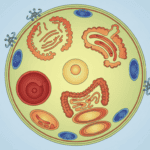
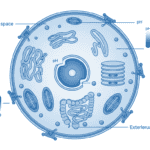
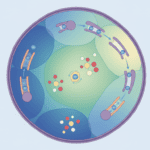
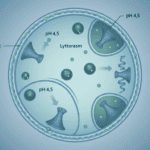
Researchers still puzzle over how cells coordinate pH regulation across different compartments. A typical cell contains the cytoplasm, nucleus, mitochondria, endoplasmic reticulum, and other organelles, each potentially maintaining distinct pH environments. How these compartments communicate pH information and coordinate responses remains largely mysterious.
The connection between pH regulation and cellular ageing needs more investigation. While scientists know that pH control deteriorates with age, they don’t fully understand whether this deterioration causes other ageing processes or results from them. The causation arrows could point in either direction, or both.
Individual variation in pH buffering capacity is another open question. Some people seem naturally better at handling acid-base challenges, whether from exercise, diet, or disease. Identifying the genetic and molecular factors behind these differences could reveal new aspects of pH physiology.
The role of pH regulation in stem cell function particularly intrigues researchers. Stem cells exist in specialised tissue environments that may have unique pH characteristics. Understanding how pH affects stem cell behaviour could illuminate both normal development and regenerative medicine approaches.
pH regulation represents one of cellular biology’s most elegant balancing acts, a constant dance between opposing chemical forces that enables life’s complexity. Every breath you take, every step you climb, every meal you digest creates ripples in this acid-base equilibrium. Your cells respond with sophisticated molecular machinery that keeps the chemistry of life humming along, largely invisible but absolutely essential to every biological process that makes you, you.

Matt Elliott is the editor of Redox News Today, an independent publication covering peer-reviewed research on cellular health, redox signalling, and related biomedical science.