
Your ankle heals from that sprain six months ago, but the pain lingers on. The tissue looks normal on scans, yet pain signals keep firing. What started as a protective warning has become a self-perpetuating problem at the cellular level, where pain and oxidative stress feed off each other in an endless loop.
What is the pain-oxidative stress connection
Pain isn’t just a sensation. It’s an active biological process that changes how cells behave throughout your body.
When pain persists, it triggers the release of inflammatory molecules and stress hormones. These substances push cells to work harder, burning through oxygen at an accelerated rate. More oxygen consumption means more reactive oxygen species (ROS) as metabolic byproducts. Think of it like a car engine running hot and producing extra exhaust fumes.
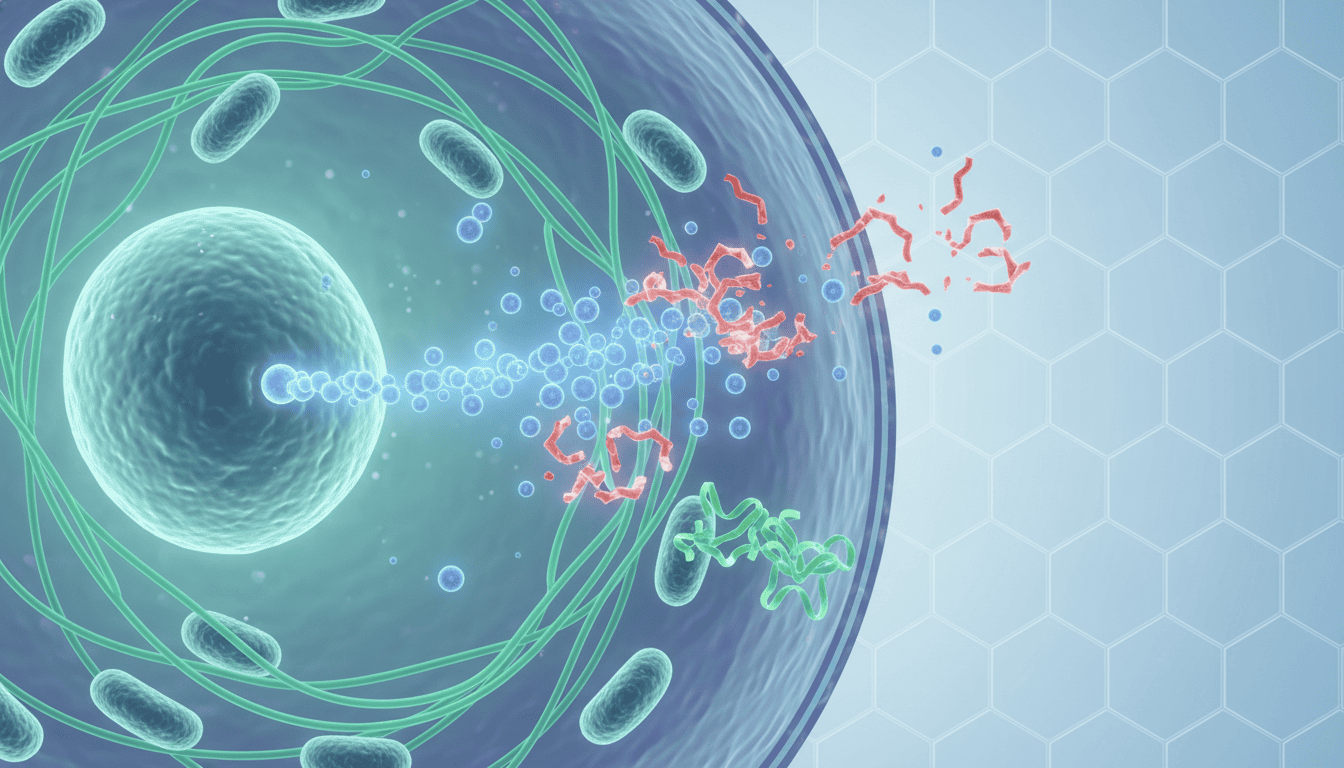
Meanwhile, oxidative stress creates its own cascade of cellular damage. ROS attack cell membranes, proteins, and DNA. Damaged cells send out distress signals called damage-associated molecular patterns (DAMPs). These molecular alarms activate immune cells and pain receptors, creating more inflammation and more pain signals.
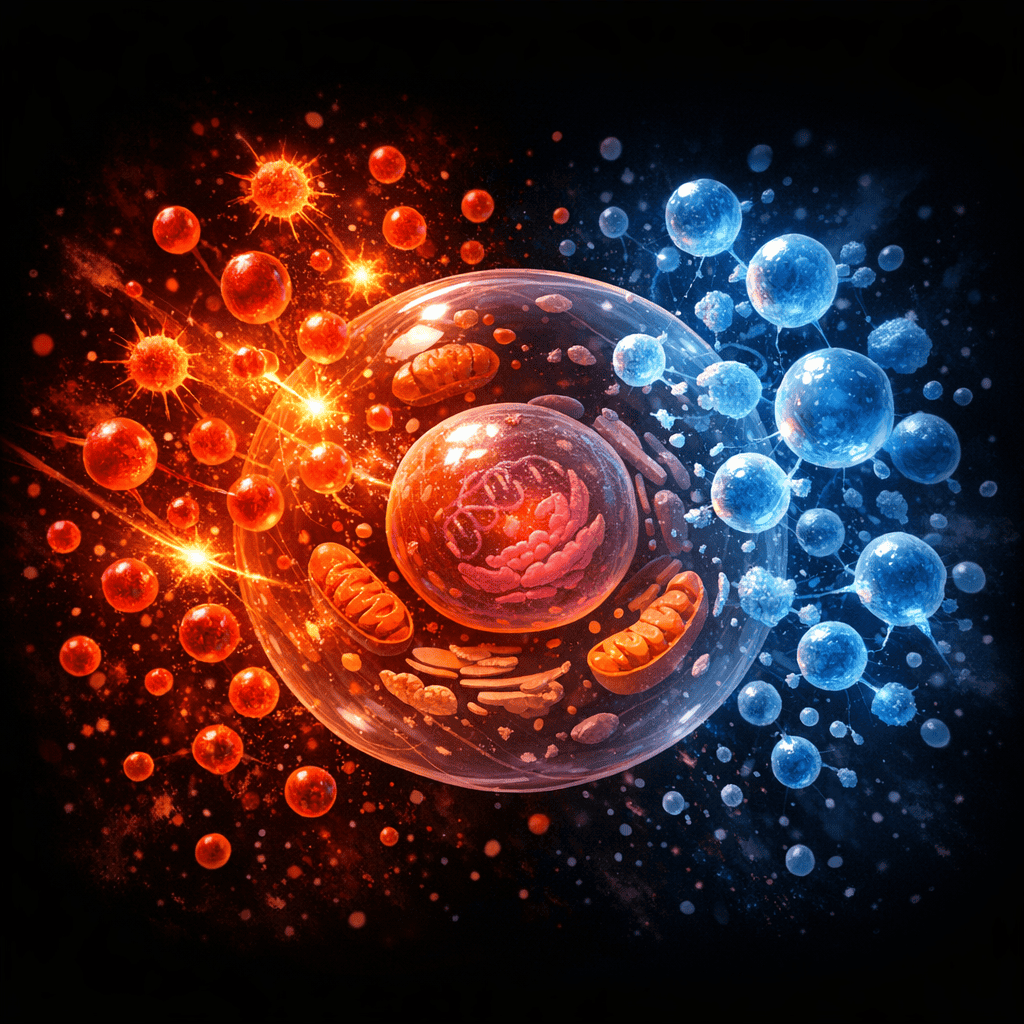
The result is a feedback loop. Chronic pain increases oxidative stress, which damages more cells, which creates more pain signals. Each cycle reinforces the next, trapping cells in a state of perpetual alarm.
What the research shows
Studies of people with chronic pain conditions reveal consistently elevated markers of oxidative stress. Researchers measure substances like malondialdehyde and 8-hydroxydeoxyguanosine in blood and tissue samples. These molecules are like cellular fingerprints left behind by oxidative damage.
Scientists have also tracked what happens inside nerve cells during chronic pain states. Pain-sensing neurons show increased mitochondrial activity and higher ROS production. Their antioxidant defence systems become overwhelmed, particularly the glutathione pathway that normally neutralises harmful molecules.
The inflammatory response amplifies both sides of this equation. Immune cells rushing to areas of perceived damage consume large amounts of oxygen through a process called the respiratory burst. This generates massive amounts of ROS as these cells try to eliminate what they perceive as threats.
Brain imaging studies reveal another layer to this story. Regions of the brain that process pain show increased metabolic activity during chronic pain states. This heightened neural activity generates its own oxidative stress, potentially explaining why chronic pain affects mood, sleep, and cognitive function.
Why cells need this
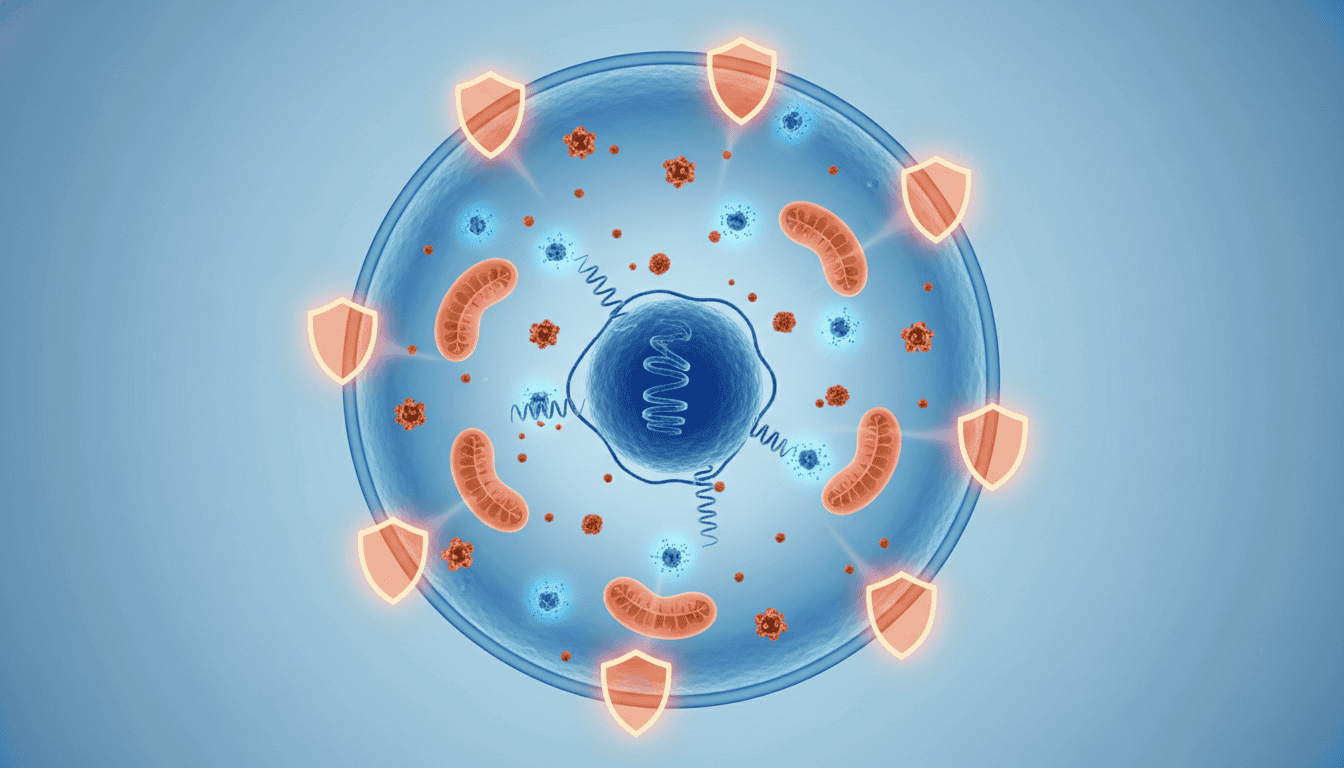
Both pain and oxidative stress serve essential protective functions when they work properly. Pain evolved as an early warning system, forcing us to protect injured tissue while it heals. Oxidative stress, in controlled amounts, acts as a cellular signalling system that helps coordinate immune responses and tissue repair.
The inflammatory cascade that connects pain and oxidative stress normally follows a predictable pattern. Initial tissue damage triggers pain signals and immune activation. Oxidative stress peaks as cells work to clear debris and fight potential infections. Then, as healing progresses, anti-inflammatory signals should dial everything back down.
This system works beautifully for acute injuries. The problem arises when the off switch fails. Sometimes the initial damage is so severe that normal healing processes can’t keep up. Other times, the signalling pathways themselves become damaged, leaving cells stuck in a state of high alert even after the original threat has passed.
Evolution didn’t anticipate modern life, where stress, poor diet, and sedentary behaviour create a baseline level of inflammation. Against this backdrop, even minor triggers can tip the system into chronic dysfunction.
What affects this cycle
Age plays a significant role in how easily this cycle takes hold. Older cells have accumulated more oxidative damage over time, making their antioxidant systems less efficient. They’re more likely to get trapped in chronic inflammatory states.
Sleep disruption accelerates both pain sensitivity and oxidative stress. During deep sleep, cells activate cleanup processes that clear out damaged proteins and regenerate antioxidant molecules. Chronic sleep loss leaves this cellular maintenance undone.
Physical inactivity creates a perfect storm. Sedentary behaviour increases baseline inflammation while simultaneously weakening the body’s antioxidant defence systems. Regular movement, on the other hand, stimulates the production of endogenous antioxidants and helps break the pain-stress cycle.
Psychological stress adds another dimension to this equation. Chronic stress elevates cortisol levels, which suppresses some aspects of immune function while promoting others. This creates an imbalanced inflammatory response that favours oxidative stress production.
Diet influences the cellular resources available to combat oxidative stress. Diets high in processed foods and sugar increase inflammation, while foods rich in antioxidants provide raw materials for cellular defence systems.
What remains unknown
Scientists are still working out why some people develop chronic pain while others with similar injuries recover completely. Genetic variations in antioxidant enzyme production likely play a role, but researchers haven’t identified all the relevant genes.
The timing of interventions remains a mystery. At what point does acute pain transition into the chronic, self-perpetuating state? Is there a window during which the cycle can be more easily interrupted?
Researchers are also investigating whether different types of chronic pain involve distinct oxidative stress patterns. Neuropathic pain might create different cellular changes compared to inflammatory pain conditions.
The brain’s role in this cycle needs more investigation. How much of the oxidative stress comes from peripheral tissues versus central nervous system changes? This distinction could influence how researchers approach potential treatments.
The pain-oxidative stress cycle represents a fundamental challenge in cellular biology. When protective systems become self-destructive, understanding the precise mechanisms becomes essential. This research reveals how cellular health problems rarely exist in isolation, instead creating cascading effects that can reshape entire biological systems. The more scientists learn about these interconnected pathways, the clearer it becomes that chronic conditions often reflect not single malfunctions, but complex webs of cellular communication gone awry.

Matt Elliott is the editor of Redox News Today, an independent publication covering peer-reviewed research on cellular health, redox signalling, and related biomedical science.