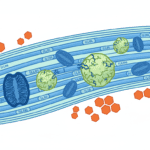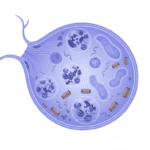
Inside every cell in your body, hundreds of tiny power plants called mitochondria burn fuel and produce energy around the clock. But this constant combustion creates a problem: toxic byproducts that can destroy the very structures they’re supposed to power. Think of it like a coal plant that needs protection from its own smoke.
What is glutathione’s role in mitochondrial protection
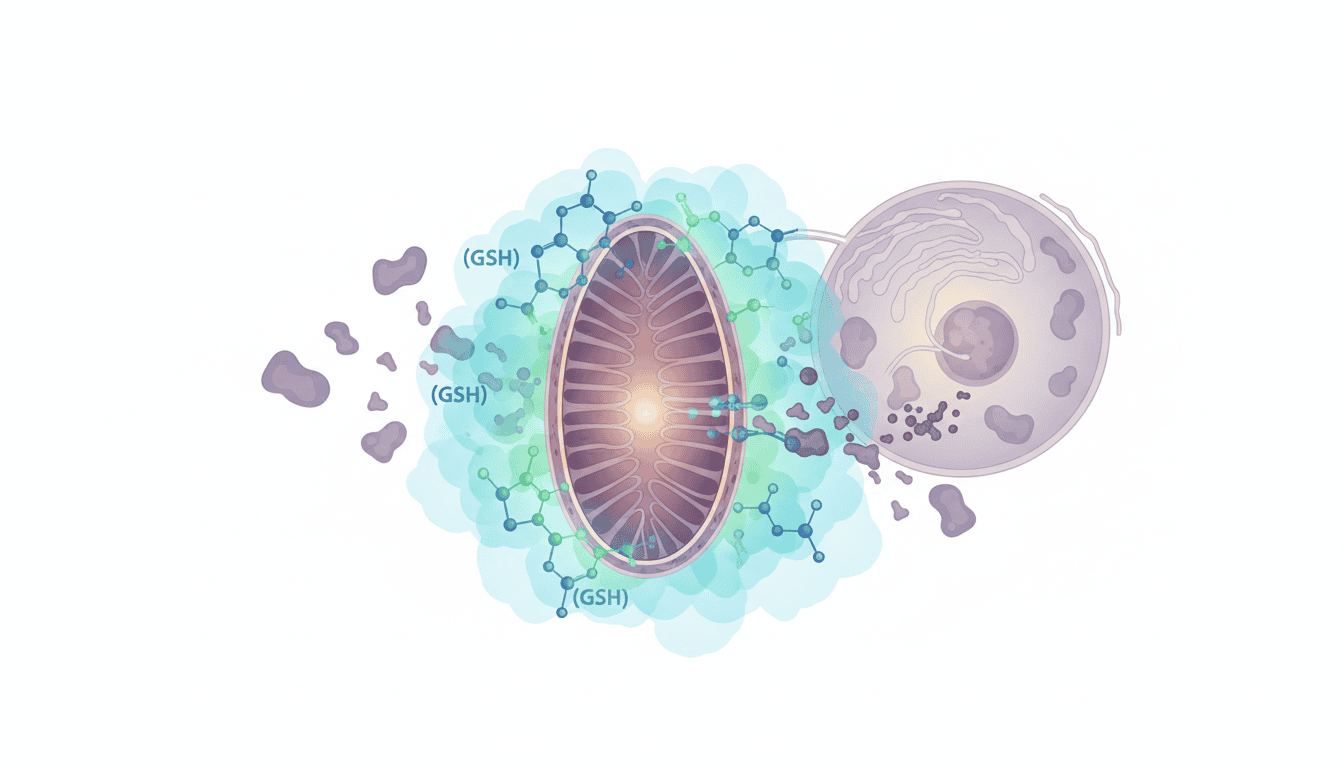
Glutathione acts like a specialised cleanup crew inside mitochondria. This small molecule, made from just three amino acids, works as the cell’s most important antioxidant defence system. It doesn’t just float around waiting for trouble.
When mitochondria convert glucose and oxygen into cellular energy, they inevitably produce reactive oxygen species. These molecules are chemically unstable and highly reactive. They’ll attack anything nearby: proteins that keep the mitochondria running, the DNA that codes for essential components, and the delicate membranes that maintain the organelle’s structure.
Glutathione neutralises these threats through a precise chemical reaction. It donates electrons to reactive oxygen species, transforming them from cellular vandals into harmless water molecules. The process temporarily depletes glutathione, but cellular machinery quickly regenerates it using an enzyme called glutathione reductase.
Mitochondria contain their own dedicated pool of glutathione, separate from what’s found elsewhere in the cell. This local supply makes biological sense. The source of oxidative damage needs the most protection.
What the research shows
Scientists have observed what happens when mitochondrial glutathione levels drop. The results are swift and dramatic.
Laboratory studies show that depleting mitochondrial glutathione leads to rapid accumulation of oxidative damage. Proteins that transport electrons through the respiratory chain begin malfunctioning. The mitochondrial DNA, which codes for 13 essential proteins, develops mutations and breaks. The inner mitochondrial membrane, crucial for energy production, loses its integrity.
Research has also revealed that glutathione protects mitochondria in specific ways beyond general antioxidant activity. It maintains the proper ratio of oxidised to reduced molecules inside mitochondria, keeping the cellular environment stable. It also works with other protective systems, including vitamin E and coenzyme Q10, creating overlapping layers of defence.
Studies tracking cellular ageing consistently find that mitochondrial glutathione levels decline over time. Cells with higher glutathione levels show better preserved mitochondrial function and less accumulated oxidative damage. This correlation appears across different tissue types and species.
Researchers have identified specific transport systems that move glutathione into mitochondria. These transporters become less efficient with age, contributing to the decline in mitochondrial protection over time.
Why cells need this protection system
The evolutionary logic behind mitochondrial glutathione protection reveals itself when you consider the fundamental challenge of aerobic metabolism. Using oxygen to extract energy from nutrients provides enormous advantages. It yields roughly 15 times more energy per glucose molecule than anaerobic processes.
But oxygen chemistry comes with inherent risks. The same properties that make oxygen useful for energy extraction also make it dangerous to cellular structures. Evolution couldn’t eliminate this fundamental trade-off, so it developed sophisticated protection systems instead.
Mitochondria face unique vulnerabilities that explain why they need dedicated glutathione pools. They produce reactive oxygen species continuously, not just during times of stress. Their DNA lacks the protective histone proteins found in nuclear DNA, making it more susceptible to oxidative damage. Their membranes contain specific lipid compositions that are particularly vulnerable to oxidative attack.
The system also allows cells to respond dynamically to changing energy demands. When tissues need more power, mitochondria ramp up energy production, which increases reactive oxygen species generation. Glutathione levels can increase correspondingly, maintaining protection during periods of high metabolic activity.
What affects mitochondrial glutathione levels
Age represents the most consistent factor affecting mitochondrial glutathione protection. Multiple studies show declining levels over time, with the steepest drops occurring in tissues with high energy demands like brain, heart, and skeletal muscle.
Physical exercise creates an interesting paradox. Acute exercise temporarily increases reactive oxygen species production in mitochondria. However, regular physical activity appears to strengthen glutathione defence systems over time, possibly through hormetic stress responses that upregulate protective mechanisms.
Certain medications can deplete mitochondrial glutathione levels. Acetaminophen, when taken in high doses, specifically targets this system. Some antibiotics and chemotherapy drugs also interfere with mitochondrial glutathione function, which may contribute to their side effects.
Nutritional factors influence the system indirectly. Since cells synthesise glutathione from cysteine, glycine, and glutamate, availability of these amino acids can affect production capacity. However, dietary protein deficiency severe enough to limit glutathione synthesis is uncommon in developed countries.
Environmental toxins can overwhelm mitochondrial glutathione systems. Heavy metals like mercury and cadmium bind to glutathione, depleting available pools. Air pollution particles can trigger oxidative stress that outpaces cellular protective capacity.
What remains unknown
Despite decades of research, scientists still don’t fully understand how cells regulate glutathione transport into mitochondria. The transporters have been identified, but the signalling mechanisms that control them remain unclear.
The relationship between mitochondrial glutathione and cellular ageing presents ongoing puzzles. While correlation is clear, establishing causation proves difficult. Do declining glutathione levels drive mitochondrial ageing, or does mitochondrial deterioration reduce glutathione effectiveness?
Researchers are also investigating whether different tissues use distinct strategies for maintaining mitochondrial glutathione. Preliminary evidence suggests that brain cells, heart cells, and liver cells may have evolved specialised approaches, but the details remain unclear.
The potential for therapeutic intervention remains largely unexplored. Scientists don’t yet know whether increasing mitochondrial glutathione levels would provide meaningful benefits, or whether other protective systems would need coordinated enhancement.
Understanding glutathione’s mitochondrial protection reveals the elegant solutions evolution has developed for managing the fundamental challenges of aerobic life. Every breath we take, every movement we make, depends on mitochondria successfully balancing energy production with protection from their own toxic byproducts. This ongoing cellular drama, playing out trillions of times every second, represents one of biology’s most essential processes. The more scientists learn about these protective mechanisms, the clearer it becomes that cellular health depends not just on producing energy, but on managing the inevitable costs of that production.

Matt Elliott is the editor of Redox News Today, an independent publication covering peer-reviewed research on cellular health, redox signalling, and related biomedical science.