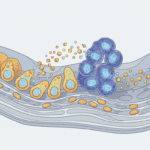

A single stem cell sits in your bone marrow, bombarded by chemical messages. Some tell it to multiply. Others whisper instructions to transform into a blood cell, bone cell, or fat cell. But there’s another conversation happening that scientists are only beginning to understand: the constant chatter of redox molecules that help determine whether that stem cell thrives, sleeps, or dies.
What is redox signalling in stem cells
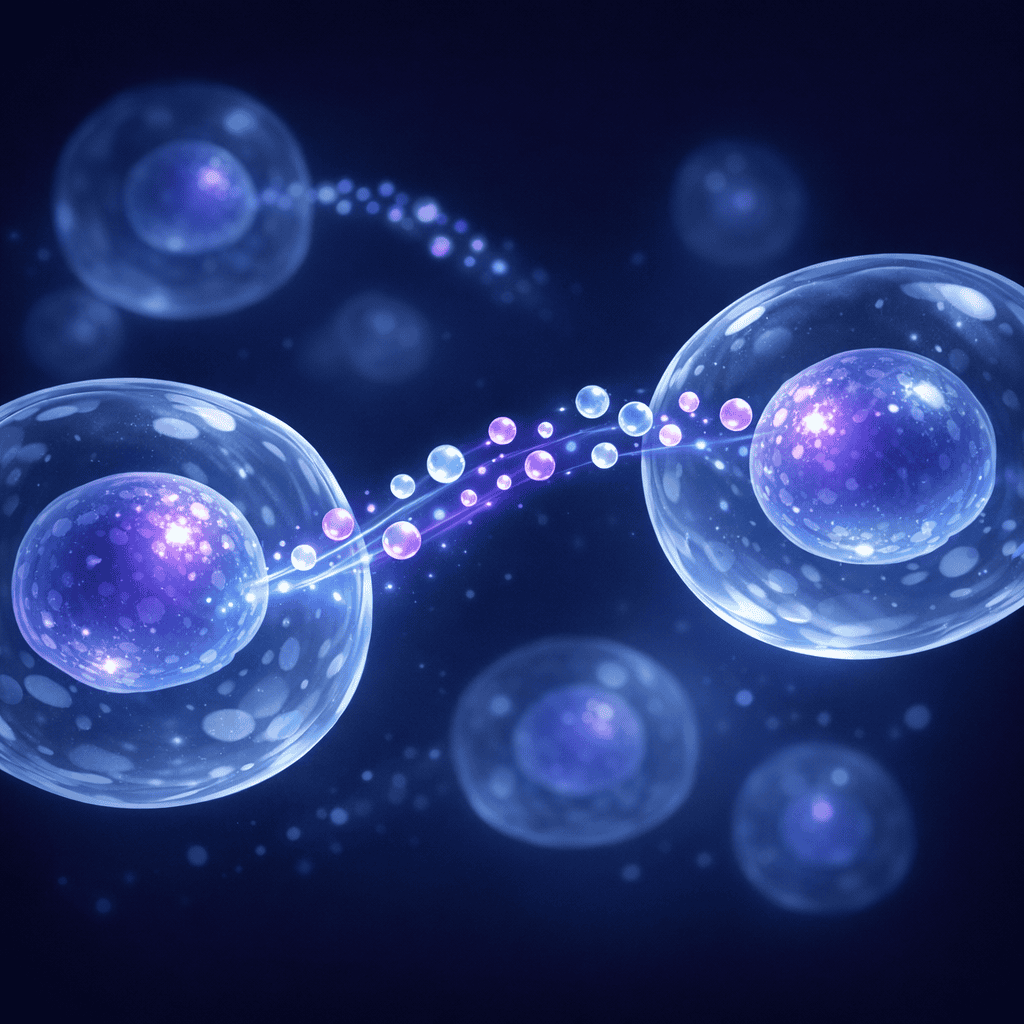
Redox signalling involves molecules that carry information about the cell’s chemical environment. These aren’t random byproducts floating around. They’re deliberate messages.
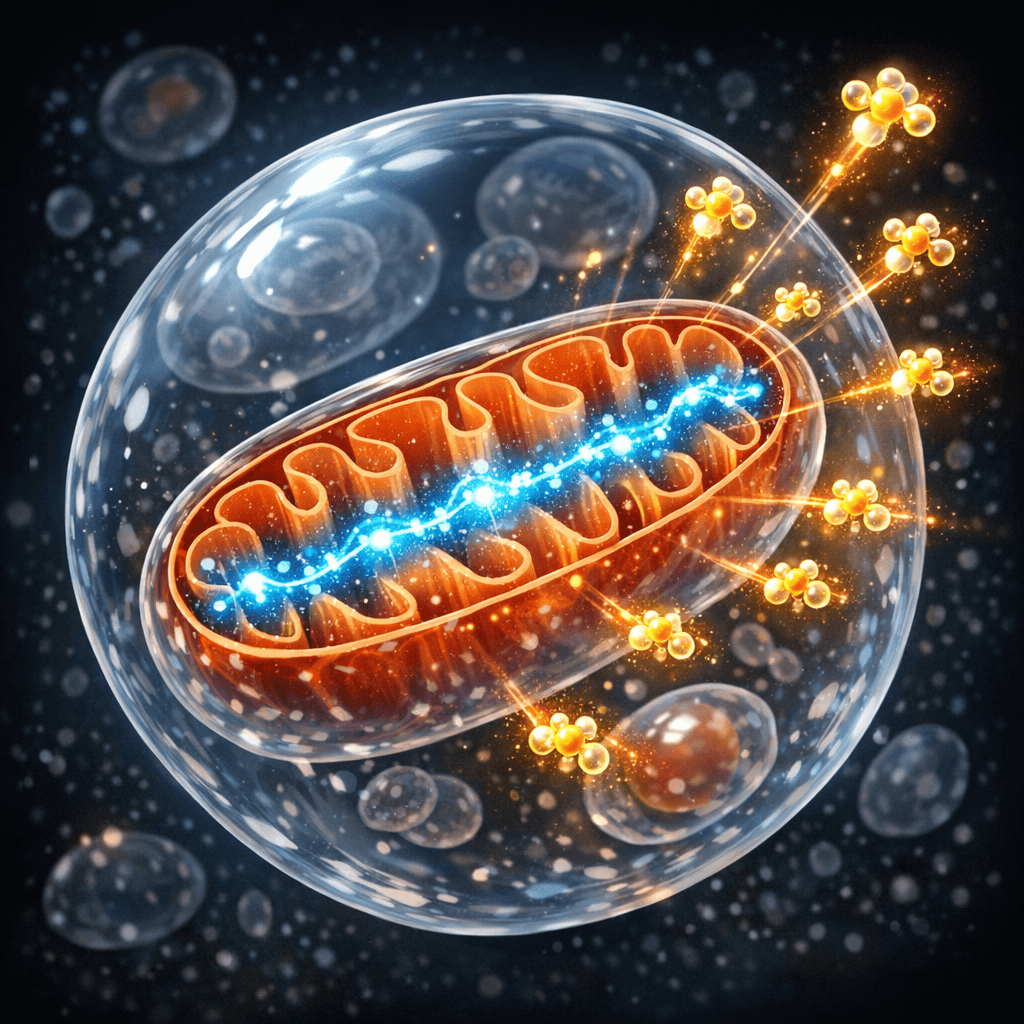
Reactive oxygen species like hydrogen peroxide act as signalling molecules. When stem cells produce these compounds in controlled amounts, they function like cellular text messages. Too little, and important communications get missed. Too much, and the system overloads.
Stem cells maintain this balance through antioxidant systems. Enzymes like catalase and superoxide dismutase work like cellular editors, removing excess reactive molecules while preserving the ones needed for communication. The result is a finely tuned information network that influences every major stem cell decision.
This signalling operates at multiple levels. Individual molecules trigger specific pathways. Groups of molecules create broader cellular states. The overall redox environment shapes how stem cells respond to growth factors, stress signals, and instructions from neighbouring cells.
What the research shows
Scientists have discovered that stem cells exist in different redox states that correlate with their behaviour. Embryonic stem cells maintain low levels of reactive oxygen species and high antioxidant activity. This creates an environment that favours self-renewal over specialisation.
As stem cells begin differentiating, their redox signature changes dramatically. Oxygen consumption increases. Antioxidant defences shift. Specific redox-sensitive transcription factors become active, switching on genes that drive specialisation into particular cell types.
Researchers have observed this pattern across different stem cell populations. Neural stem cells show distinct redox profiles when they’re dormant versus when they’re actively dividing. Muscle stem cells alter their redox state as they transition from quiescence to activation following injury.
Laboratory studies reveal that manipulating redox conditions can push stem cells in specific directions. Mild oxidative stress can promote differentiation in some contexts. Antioxidant treatments can maintain stemness in others. The effects are precise and predictable once you understand the underlying chemistry.
Perhaps most striking is the discovery that stem cell ageing involves progressive changes in redox signalling. Older stem cells show altered responses to the same chemical cues that effectively guide younger cells.
Why cells need this system
Evolution preserved redox signalling in stem cells because it solves a fundamental biological problem: how to coordinate individual cell decisions with tissue-level needs.
Tissues require constant maintenance and occasional repair. But they can’t afford to have all their stem cells active simultaneously. That would lead to overgrowth, resource depletion, and loss of the stem cell pool. Redox signalling provides a mechanism for fine-tuned control.
The system allows stem cells to sense their local environment and respond appropriately. High oxidative stress might signal tissue damage, triggering stem cell activation for repair. Low oxygen conditions in certain niches help maintain stemness by preventing premature differentiation.
This chemical communication system also enables coordination between different cell types. When immune cells release reactive molecules during inflammation, nearby stem cells receive and interpret these signals. The result is a coordinated response that matches stem cell behaviour to tissue needs.
The reversibility of redox signalling adds another advantage. Unlike permanent genetic changes, redox states can shift rapidly as conditions change. This flexibility allows stem cells to adapt their behaviour without losing their fundamental identity.
What affects redox signalling in stem cells
Age represents the most significant factor influencing stem cell redox states. Older organisms show increased baseline oxidative stress and altered antioxidant enzyme activity. These changes correlate with reduced stem cell function and slower tissue repair.
Physical activity affects stem cell redox signalling through multiple pathways. Exercise transiently increases reactive oxygen species production, which can stimulate beneficial adaptations in stem cell populations. However, excessive exercise without adequate recovery can overwhelm these systems.
Metabolic conditions influence redox signalling through their effects on cellular energy production. Diabetes, obesity, and metabolic syndrome alter the chemical environment that stem cells experience, often shifting their redox state in ways that impair normal function.
Environmental factors play a role through their impact on overall oxidative stress. Air pollution, radiation exposure, and certain chemicals can disrupt the delicate redox balance that stem cells require for proper signalling.
Dietary components affect stem cell redox states both directly and indirectly. Some compounds act as antioxidants, while others influence the enzymes responsible for maintaining redox balance. The timing and duration of these influences can be as important as their intensity.
What remains unknown
Scientists still struggle to map the complete redox signalling networks that operate in different stem cell types. The interactions between various reactive molecules, antioxidant systems, and downstream cellular responses create a complexity that challenges current research methods.
The temporal aspects of redox signalling remain poorly understood. How long do specific signals last? How do cells integrate information from multiple redox messages arriving at different times? These questions require new experimental approaches to answer.
Researchers are working to understand how redox signalling varies between stem cell niches in different tissues. The chemical environment in bone marrow differs dramatically from that in the intestine or brain, but the functional significance of these differences isn’t fully clear.
The relationship between redox signalling and other stem cell regulatory mechanisms needs clarification. How do these chemical signals interact with mechanical forces, electrical gradients, and traditional growth factors? The emerging picture suggests extensive crosstalk, but the details remain elusive.
Perhaps most pressing is the question of therapeutic intervention. Understanding redox signalling is one thing. Safely and effectively modulating it to improve stem cell function is another challenge entirely.
The intricate chemical conversations that guide stem cell behaviour represent one of biology’s most elegant control systems. As research continues to decode these molecular messages, we gain deeper appreciation for the sophisticated mechanisms that maintain and repair our tissues throughout life. Each discovery reveals new layers of complexity in the cellular networks that keep us healthy, reminding us that even our most fundamental biological processes rely on chemistry we’re still learning to understand.

Matt Elliott is the editor of Redox News Today, an independent publication covering peer-reviewed research on cellular health, redox signalling, and related biomedical science.