Understanding the Two Types of Age
When we think about ageing, most people immediately consider chronological age: the number of years since birth. This metric forms the backbone of our social systems, determining everything from retirement eligibility to insurance premiums. However, scientists increasingly recognise that biological age provides a far more meaningful measure of how our bodies are actually functioning and ageing at the cellular level.
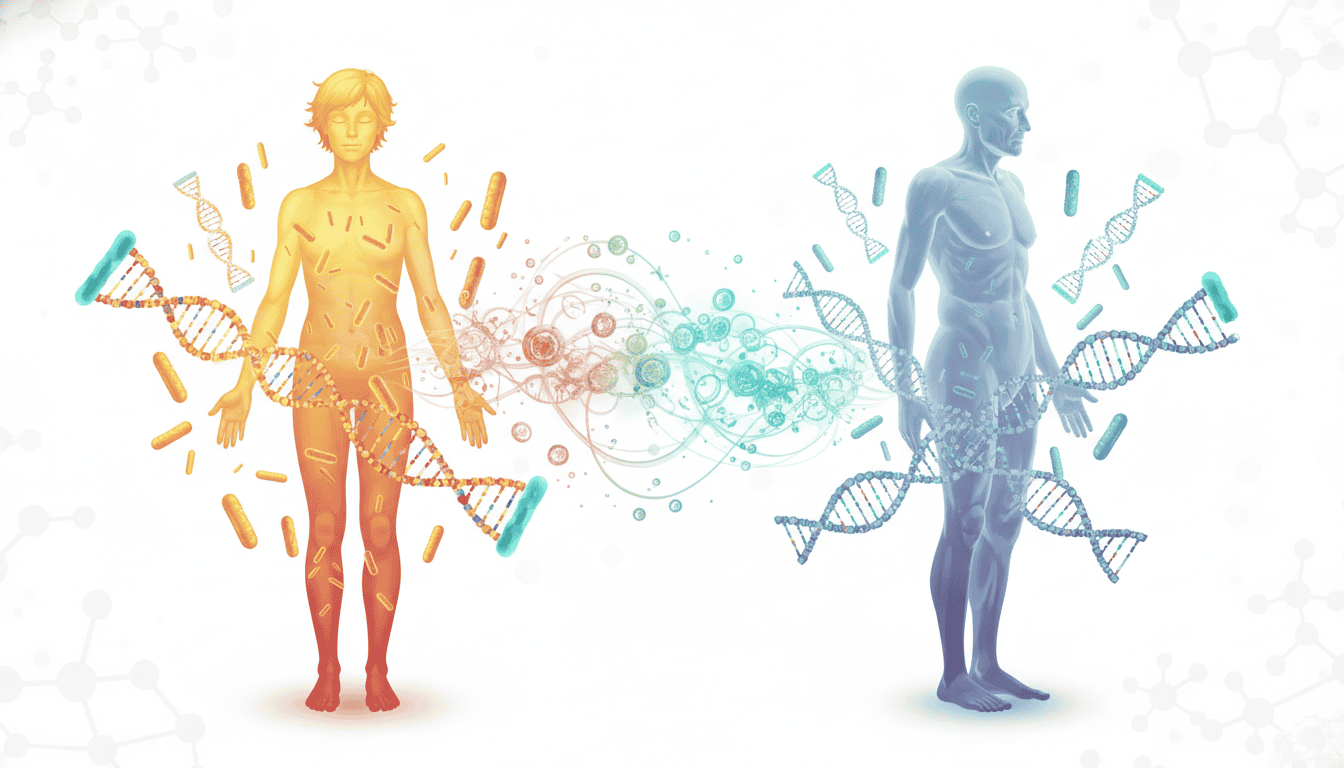
Biological age reflects the actual condition of our cells, tissues, and organs, rather than simply counting calendar years. Two people born on the same day can have dramatically different biological ages based on their genetics, lifestyle choices, environmental exposures, and cellular health status. This divergence becomes more pronounced as we get older, explaining why some 70-year-olds run marathons whilst others struggle with basic daily activities.
The distinction matters because biological age correlates much more strongly with health outcomes, disease risk, and mortality than chronological age alone. Understanding this difference opens new perspectives on how we approach health maintenance and disease prevention throughout our lives.
Cellular Mechanisms Behind Biological Ageing
At its core, biological ageing reflects the accumulation of cellular damage over time. This process involves several interconnected mechanisms that determine how well our cells can maintain their essential functions. Oxidative stress plays a central role, occurring when reactive oxygen species overwhelm our cellular antioxidant defence systems, leading to damage in proteins, lipids, and DNA.
Mitochondrial dysfunction represents another crucial factor in biological ageing. These cellular powerhouses become less efficient at producing energy whilst generating more harmful byproducts. As mitochondrial quality declines, cells struggle to meet their energy demands, affecting everything from muscle function to cognitive performance.
Telomere shortening also contributes significantly to biological ageing. These protective DNA sequences at chromosome ends gradually shorten with each cell division, eventually limiting cellular replication capacity. Additionally, the accumulation of senescent cells throughout the body creates a pro-inflammatory environment that accelerates tissue dysfunction and contributes to age-related diseases.
Importantly, these cellular ageing processes don’t occur at the same rate in everyone. Genetic variations, lifestyle factors, and environmental influences can either accelerate or slow these mechanisms, creating the divergence between biological and chronological age that researchers observe across populations.
Measuring Biological Age in Practice
Scientists have developed various methods to assess biological age, each capturing different aspects of cellular and physiological function. Epigenetic clocks represent one of the most promising approaches, measuring specific DNA methylation patterns that change predictably with age. These molecular timepieces can estimate biological age with remarkable accuracy and often reveal discrepancies with chronological age.
Telomere length measurements provide another window into biological ageing, though results can vary depending on the specific measurement technique and cell types examined. Researchers also assess biological age through comprehensive panels of biomarkers including inflammatory markers, metabolic indicators, and measures of physiological function such as grip strength, lung capacity, and cognitive performance.
More advanced techniques examine cellular senescence burden, mitochondrial function, and oxidative stress levels throughout the body. Some researchers combine multiple approaches to create composite biological age scores that capture the complexity of the ageing process across different biological systems.
Whilst these measurements aren’t yet routine in clinical practice, they’re becoming increasingly accessible through research studies and some commercial testing services. However, interpreting biological age results requires understanding their limitations and the ongoing evolution of measurement techniques.
Factors That Influence Biological Ageing
The rate at which we age biologically depends on a complex interplay of factors, many of which we can influence through our choices and behaviours. Chronic inflammation, often called “inflammageing,” accelerates biological ageing by promoting cellular damage and dysfunction throughout the body. This inflammatory state can result from poor dietary choices, lack of physical activity, chronic stress, inadequate sleep, and exposure to environmental toxins.
Physical activity stands out as one of the most powerful modulators of biological ageing. Regular exercise enhances mitochondrial function, reduces oxidative stress, promotes cellular repair mechanisms, and helps maintain telomere length. The benefits extend beyond cardiovascular fitness to include improved cognitive function and reduced systemic inflammation.
Nutritional factors also play crucial roles in biological ageing. Diets rich in antioxidants, omega-3 fatty acids, and other protective compounds can help maintain cellular function, whilst excessive consumption of processed foods, added sugars, and unhealthy fats can accelerate ageing processes. Caloric restriction and intermittent fasting have shown promise in laboratory studies for slowing biological ageing, though human applications require further research.
Environmental factors including air pollution, chemical exposures, and chronic stress can accelerate biological ageing by overwhelming cellular defence systems. Conversely, factors like adequate sleep, strong social connections, and effective stress management appear to slow biological ageing and promote healthier cellular function.
Implications for Health and Longevity
Understanding biological age has profound implications for how we approach health maintenance and disease prevention. Rather than accepting decline as an inevitable consequence of chronological ageing, recognising the modifiable nature of biological ageing empowers individuals to take active steps to slow or potentially reverse aspects of the ageing process.
This perspective shifts focus from treating age-related diseases after they develop to maintaining cellular health and preventing the underlying biological processes that contribute to disease risk. By addressing inflammation, supporting mitochondrial function, and protecting against oxidative damage, we may be able to extend not just lifespan but healthspan: the years lived in good health and functional capacity.
The concept also has important implications for personalised medicine. As biological age assessments become more sophisticated and accessible, healthcare providers may eventually use this information to tailor interventions, screening schedules, and treatment recommendations to individual biological rather than chronological age.
Research into biological ageing is also driving development of interventions specifically designed to target fundamental ageing processes. From compounds that clear senescent cells to therapies that enhance mitochondrial function, the field is moving towards treatments that address ageing at its biological roots rather than merely managing its symptoms.
The Future of Ageing Research
As our understanding of biological ageing deepens, researchers are developing increasingly sophisticated ways to measure and potentially modify the ageing process. Advanced techniques for assessing cellular function, combined with artificial intelligence and big data approaches, promise to provide more precise and personalised assessments of biological age in the future.
The field is also exploring how different organs and tissues age at varying rates within the same individual, leading to concepts like “organ-specific biological age.” This granular understanding could enable more targeted interventions to address accelerated ageing in particular body systems.
Emerging research into epigenetic reprogramming, cellular rejuvenation, and regenerative medicine offers the tantalising possibility of not just slowing biological ageing but potentially reversing aspects of it. Whilst much of this research remains in early stages, the rapid pace of discovery in ageing science suggests that our understanding and ability to intervene in biological ageing will continue to expand dramatically.
The recognition that biological age matters more than chronological age represents a fundamental shift in how we understand ageing and health. By focusing on the cellular mechanisms that drive biological ageing, we move beyond the fatalistic view of ageing as an inevitable decline towards a more empowering perspective that emphasises the importance of cellular health maintenance throughout life. This approach not only offers hope for extending healthy lifespan but also underscores the critical role that cellular health plays in determining our quality of life as we age.

Matt Elliott is the editor of Redox News Today, an independent publication covering peer-reviewed research on cellular health, redox signalling, and related biomedical science.