
The Hidden Driver of Accelerated Ageing
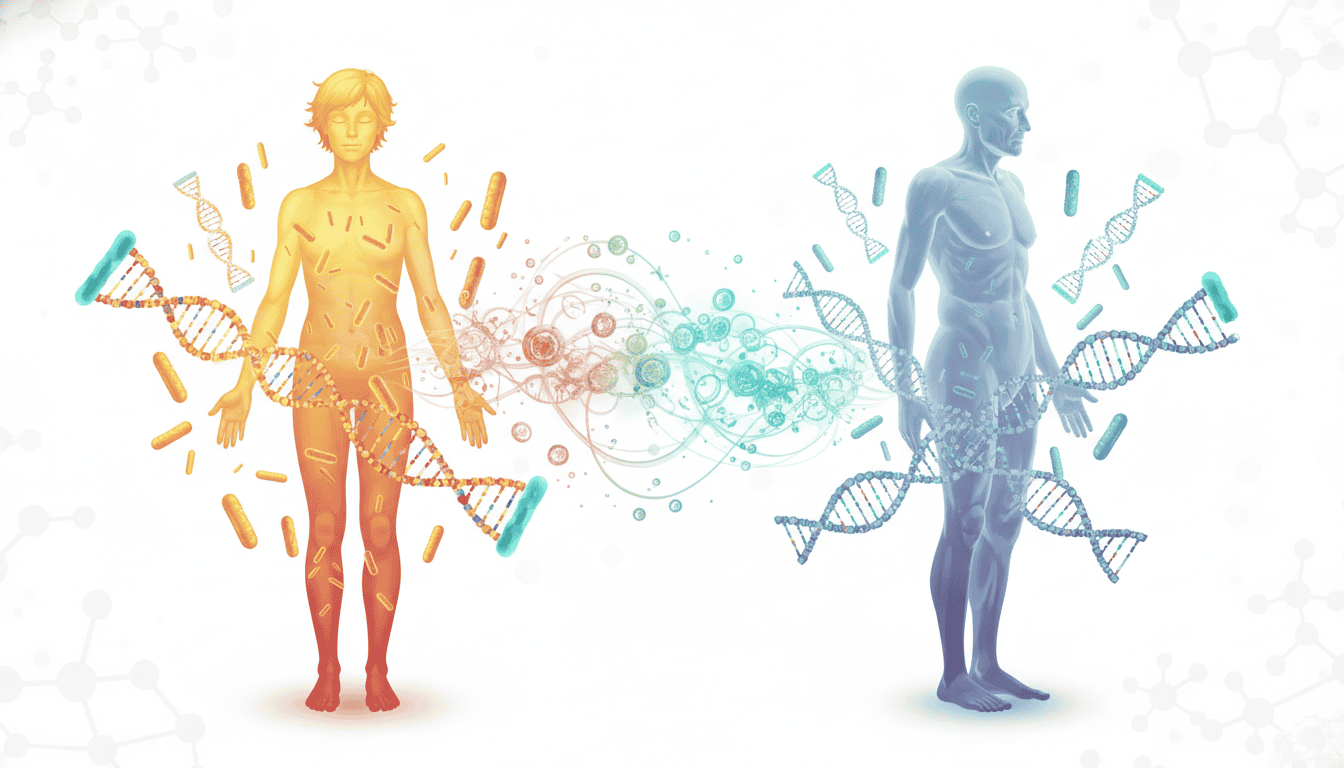
Inflammation represents one of our body’s most fundamental defence mechanisms, marshalling cellular forces to combat infection, injury, and other threats. However, when this protective response becomes chronic and persistent, it transforms from a healing ally into a destructive force that accelerates the ageing process at the cellular level. Scientists have coined the term “inflammageing” to describe this phenomenon, where sustained inflammatory signalling creates a cascade of cellular damage that mirrors and amplifies the natural ageing process.
The relationship between chronic inflammation and accelerated ageing involves complex interactions between immune cells, inflammatory mediators, and cellular repair mechanisms. When inflammatory pathways remain constantly activated, they begin to overwhelm the body’s natural regulatory systems, leading to widespread cellular dysfunction that manifests as premature ageing across multiple organ systems.
Cellular Damage Pathways in Chronic Inflammation
Chronic inflammation creates a hostile cellular environment through multiple interconnected mechanisms. Inflammatory cells release reactive oxygen species and reactive nitrogen species as part of their normal function, but when produced continuously, these molecules overwhelm cellular antioxidant systems. This oxidative stress damages critical cellular components including DNA, proteins, and lipid membranes, accumulating over time to impair cellular function.
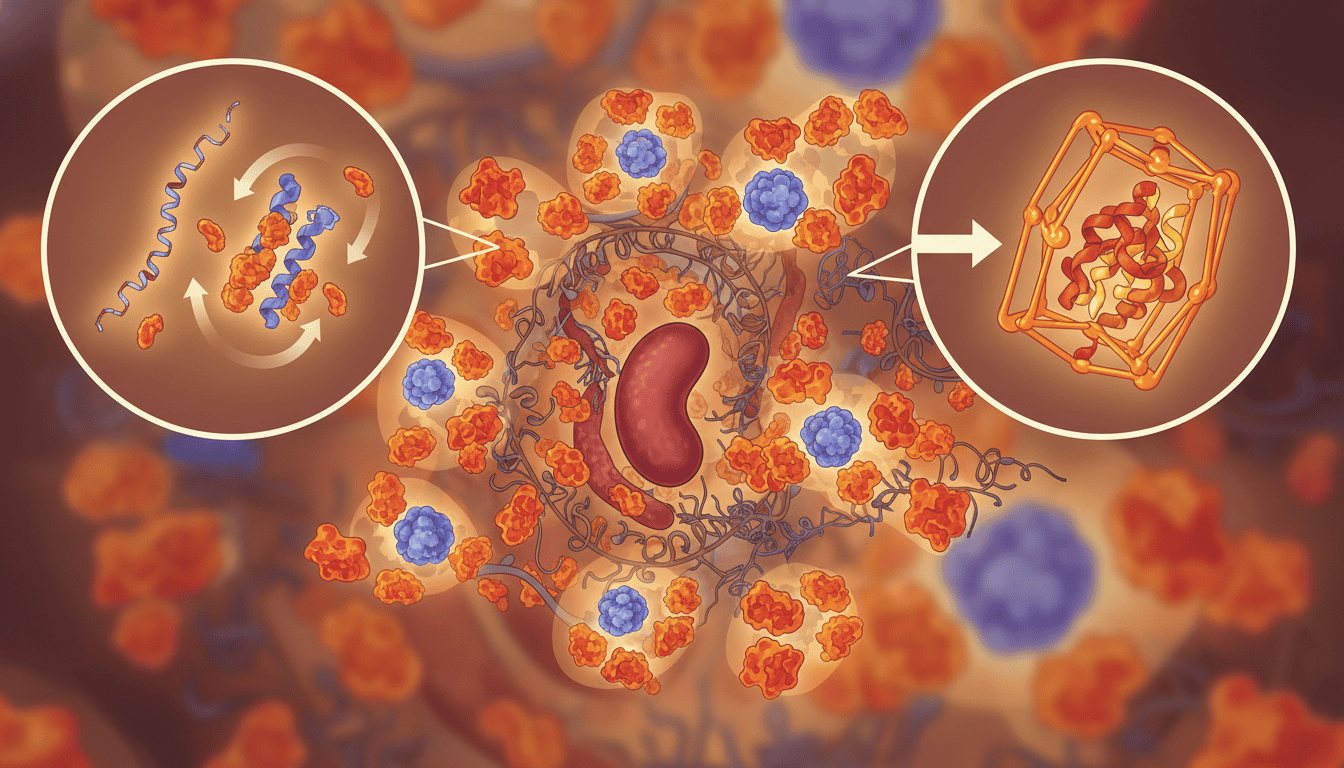
The inflammatory response also activates enzymes that break down the extracellular matrix, the structural scaffolding that supports tissues and organs. Matrix metalloproteinases, whilst serving important roles in normal tissue remodelling, become destructive when chronically elevated. They degrade collagen and elastin fibres, contributing to visible signs of ageing such as skin wrinkling and loss of tissue elasticity, whilst also compromising the structural integrity of blood vessels and other organs.
Additionally, chronic inflammation disrupts normal cellular energy production by affecting mitochondrial function. Inflammatory mediators can damage mitochondrial membranes and interfere with the electron transport chain, reducing the cell’s ability to generate energy efficiently whilst simultaneously increasing the production of harmful reactive oxygen species.
Telomeres and Inflammatory Stress
One of the most significant connections between chronic inflammation and accelerated ageing occurs at the level of telomeres, the protective DNA sequences that cap the ends of chromosomes. Telomeres naturally shorten with each cell division, serving as a cellular ageing clock. However, chronic inflammation accelerates this process through multiple pathways.
Inflammatory stress increases the rate of cell division in many tissues as the body attempts to repair ongoing damage. This increased cellular turnover leads to more rapid telomere shortening. Simultaneously, the oxidative stress generated by chronic inflammation directly damages telomeric DNA, making it more susceptible to degradation.
Research has shown that individuals with chronic inflammatory conditions often display shorter telomeres compared to healthy age-matched controls, suggesting their cells are in a more advanced state of biological ageing. The enzyme telomerase, which can extend telomeres, appears to be suppressed by certain inflammatory signals, further compromising the cell’s ability to maintain telomere length.
The Senescence Connection
Chronic inflammation both promotes and is promoted by cellular senescence, creating a self-perpetuating cycle that accelerates ageing. Senescent cells, which have stopped dividing but remain metabolically active, develop a senescence-associated secretory phenotype that includes the production of inflammatory mediators, growth factors, and tissue-damaging enzymes.
These senescent cells accumulate in tissues over time, creating localised inflammatory environments that can damage neighbouring healthy cells and promote further senescence. This creates a spreading wave of cellular dysfunction that contributes to age-related tissue deterioration and organ dysfunction.
The inflammatory environment also impairs the immune system’s ability to clear senescent cells effectively. Normally, immune cells would recognise and eliminate these dysfunctional cells, but chronic inflammation can suppress this clearance mechanism, allowing senescent cells to accumulate and perpetuate the inflammatory cycle.
Systemic Effects on Organ Function
The cellular damage caused by chronic inflammation manifests at the organ level through multiple pathways that accelerate functional decline typically associated with ageing. In the cardiovascular system, inflammatory mediators promote atherosclerosis by encouraging the oxidation of low-density lipoproteins and promoting their uptake by arterial wall cells. This process, combined with chronic vascular inflammation, accelerates the development of cardiovascular disease.
Neuroinflammation, the brain’s version of chronic inflammation, contributes to cognitive decline and neurodegenerative processes. Activated microglia, the brain’s immune cells, release inflammatory mediators that can damage neurons and interfere with synaptic function. This neuroinflammatory state has been implicated in accelerated brain ageing and increased risk of age-related cognitive disorders.
The musculoskeletal system also suffers under chronic inflammatory conditions, with inflammatory mediators promoting muscle protein breakdown whilst inhibiting protein synthesis. This leads to accelerated loss of muscle mass and strength, a condition known as sarcopenia that typically accompanies advanced ageing.
Implications for Cellular Health and Longevity
Understanding the connection between chronic inflammation and accelerated ageing reveals the critical importance of maintaining cellular health through the modulation of inflammatory processes. The research demonstrates that ageing is not simply a passive process of cellular wear and tear, but rather an active process influenced by the inflammatory environment within our tissues.
This knowledge highlights how cellular health strategies that address inflammatory signalling pathways may have profound implications for healthy ageing. By supporting the body’s natural anti-inflammatory mechanisms and reducing sources of chronic inflammatory stress, we may be able to slow the cellular ageing process and extend healthspan. The intricate relationship between inflammation and ageing underscores the fundamental principle that cellular health forms the foundation of overall health and longevity, making the study of these mechanisms crucial for advancing our understanding of the ageing process.

Matt Elliott is the editor of Redox News Today, an independent publication covering peer-reviewed research on cellular health, redox signalling, and related biomedical science.