Understanding EGCG: Green Tea’s Primary Bioactive Compound
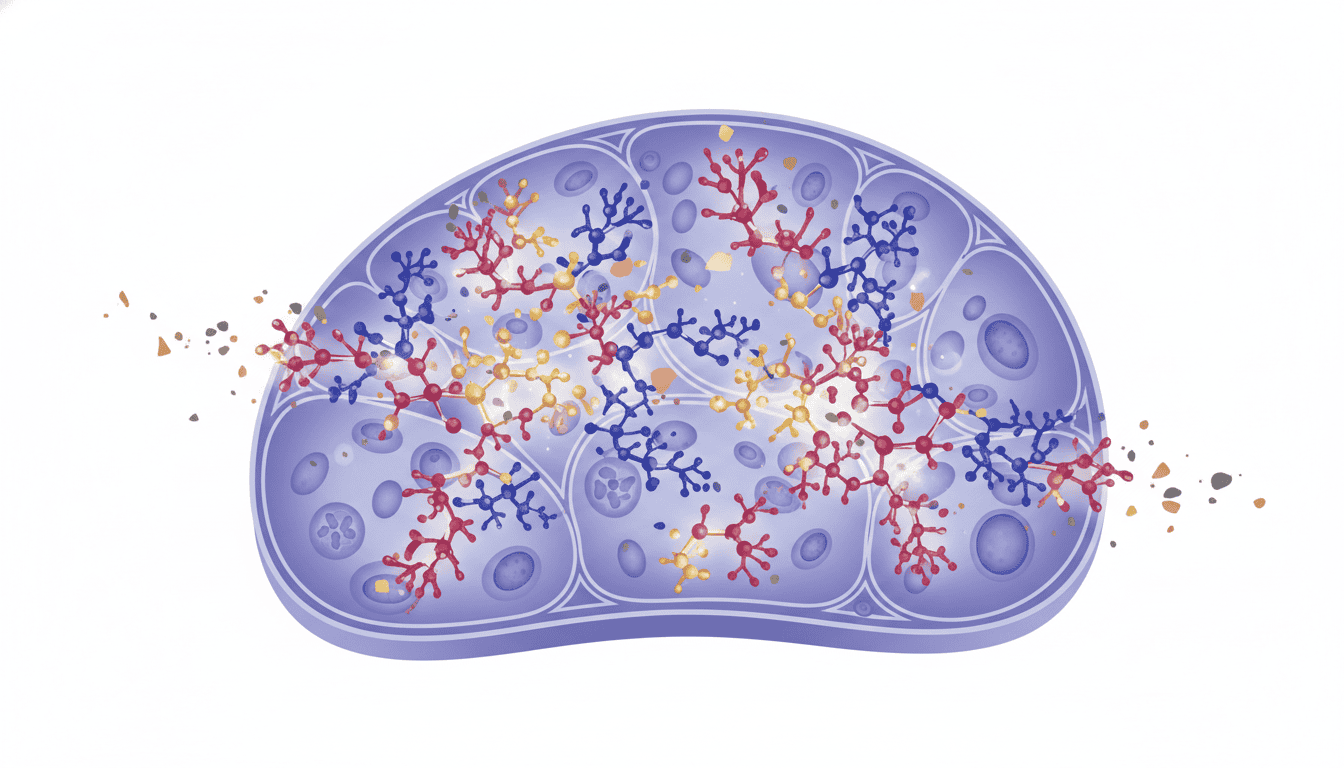
Epigallocatechin-3-gallate, commonly known as EGCG, represents the most abundant and biologically active catechin found in green tea leaves. This polyphenolic compound accounts for approximately 50 to 80 percent of the total catechins present in green tea, making it the primary focus of cellular research into green tea’s biological effects. EGCG belongs to a class of compounds called flavonoids, which are naturally occurring antioxidants found throughout the plant kingdom.
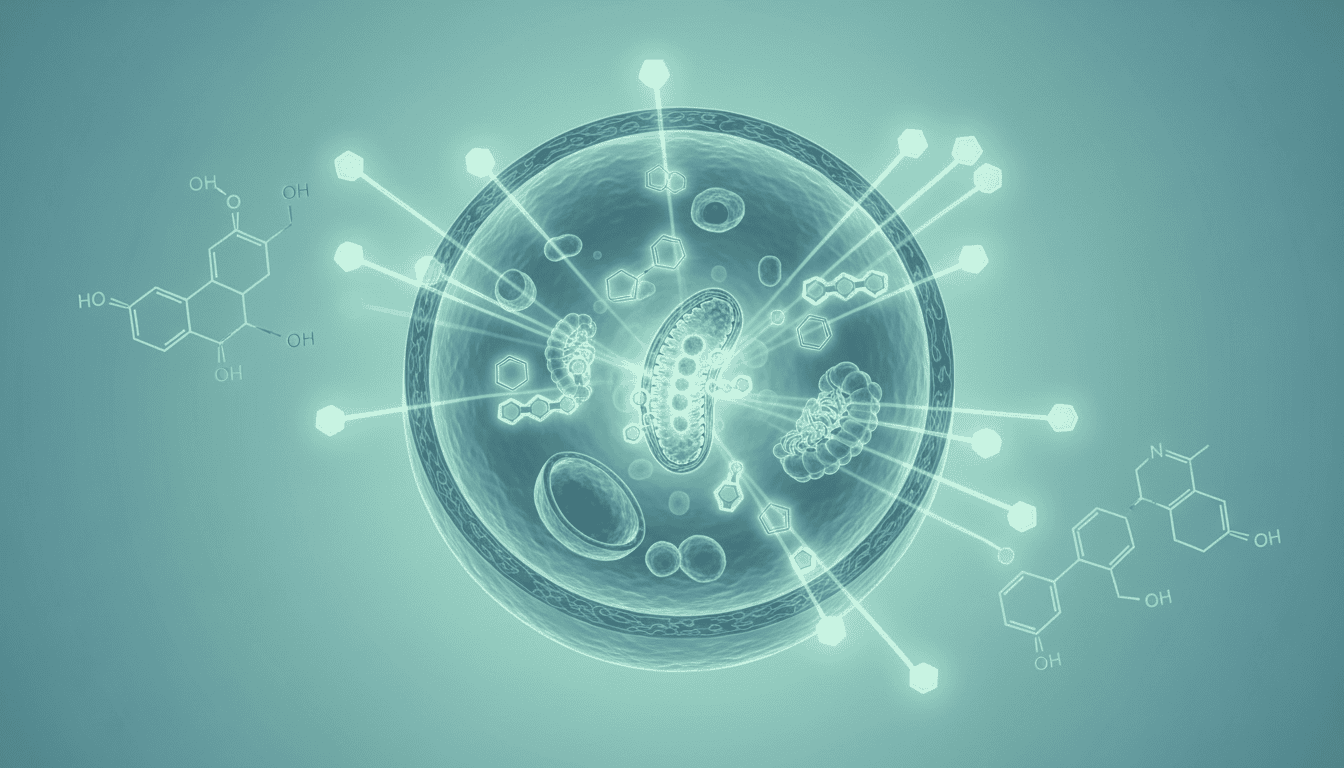
The molecular structure of EGCG includes multiple hydroxyl groups, which contribute to its ability to interact with various cellular components. When green tea leaves undergo minimal processing compared to black tea, they retain higher concentrations of these catechins, with EGCG being particularly well preserved. Understanding this compound’s behaviour at the cellular level provides insights into how green tea consumption might influence biological processes.
EGCG’s Interaction with Cellular Antioxidant Systems
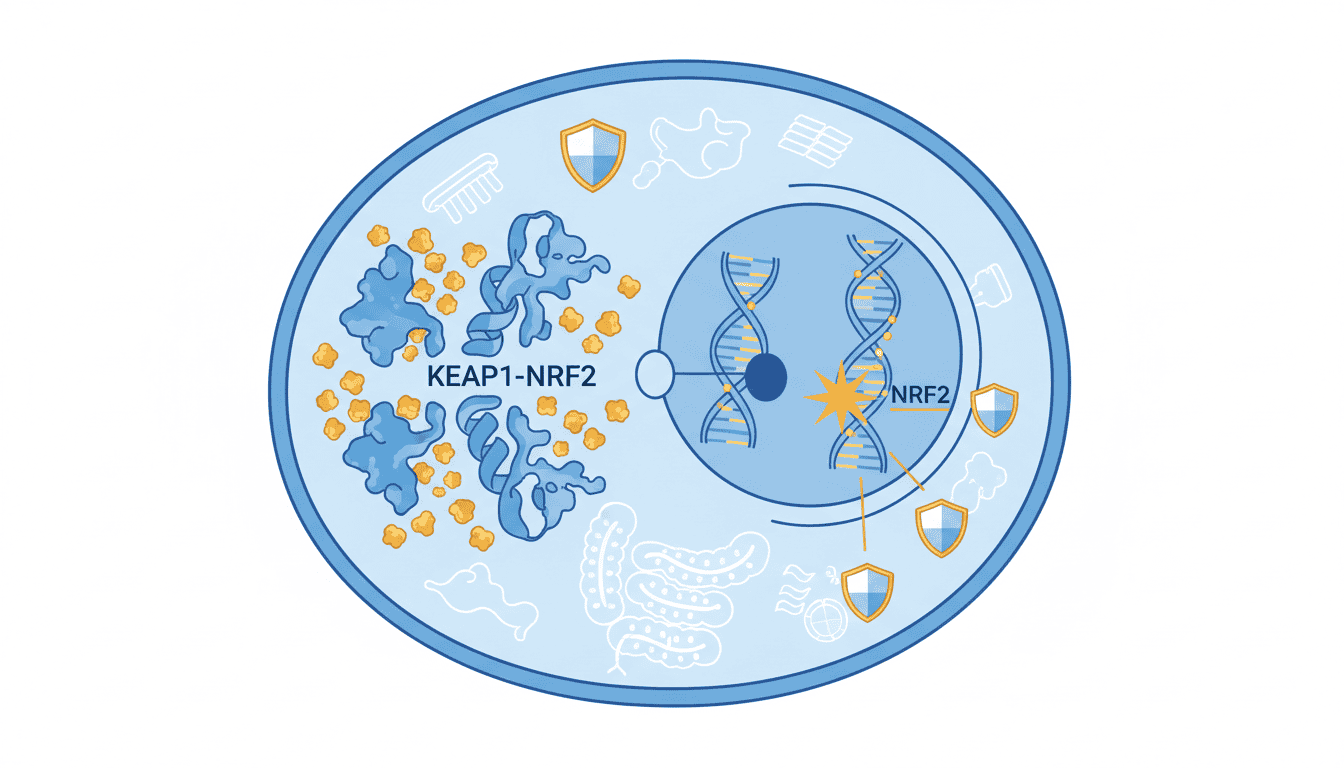
Research into EGCG’s cellular mechanisms reveals complex interactions with the body’s endogenous antioxidant defence systems. Rather than simply acting as a direct antioxidant, EGCG appears to influence cellular signalling pathways that regulate the production of the body’s own protective enzymes. This includes interactions with the Nrf2 pathway, a critical cellular mechanism that controls the expression of antioxidant and detoxification enzymes.
Studies have shown that EGCG can modulate the activity of various cellular antioxidant enzymes, including superoxide dismutase, catalase, and glutathione peroxidase. These enzymes form part of the cell’s natural defence system against reactive oxygen species. The compound’s ability to influence these systems suggests that its cellular effects extend beyond direct radical scavenging to include enhancement of the cell’s own protective mechanisms.
Interestingly, EGCG’s effects on cellular antioxidant systems appear to be dose dependent and context specific. At certain concentrations, it may act as a pro-oxidant, potentially triggering beneficial stress responses that ultimately strengthen cellular defence mechanisms. This phenomenon, known as hormesis, represents an important concept in understanding how bioactive compounds interact with cellular systems.
Mitochondrial Function and Energy Metabolism
Mitochondria, often called the powerhouses of cells, represent another key target of EGCG’s cellular activity. Research has demonstrated that EGCG can influence mitochondrial function through several mechanisms, including effects on electron transport chain efficiency and mitochondrial biogenesis. These organelles are particularly important because they produce the majority of cellular energy while simultaneously being major sites of reactive oxygen species production.
EGCG appears to support mitochondrial health through its interactions with various proteins involved in energy metabolism. Some studies suggest that the compound can influence the activity of enzymes involved in fatty acid oxidation and glucose metabolism within mitochondria. Additionally, EGCG may help protect mitochondrial DNA from oxidative damage, which is crucial for maintaining proper mitochondrial function over time.
The compound’s effects on mitochondrial dynamics, including processes of fusion and fission that maintain mitochondrial health, have also garnered research attention. These processes are essential for removing damaged mitochondrial components and ensuring optimal energy production. EGCG’s influence on these mechanisms may contribute to its observed effects on cellular energy metabolism.
Cellular Signalling and Gene Expression
Beyond its antioxidant properties, EGCG demonstrates significant effects on cellular signalling pathways and gene expression patterns. The compound can interact with various transcription factors, proteins that control which genes are active in cells at any given time. This includes effects on inflammatory signalling pathways, where EGCG may help modulate the cellular response to inflammatory stimuli.
Research has shown that EGCG can influence the activity of nuclear factor kappa B (NF-κB), a transcription factor that plays a central role in inflammatory responses. By modulating this pathway, EGCG may affect the expression of genes involved in inflammation and cellular stress responses. Similarly, the compound appears to interact with other signalling molecules that control cell cycle progression and cellular maintenance processes.
The epigenetic effects of EGCG, meaning its influence on how genes are expressed without changing the underlying DNA sequence, represent another area of active research. Some studies suggest that EGCG can affect DNA methylation patterns and histone modifications, potentially influencing long term patterns of gene expression in cells.
Bioavailability and Cellular Uptake Considerations
Understanding how EGCG reaches cells and tissues provides important context for interpreting cellular research findings. The compound faces several challenges in terms of bioavailability, including degradation in the digestive system and limited absorption in the small intestine. Once absorbed, EGCG undergoes various metabolic transformations that can affect its biological activity.
Research has shown that EGCG concentrations in blood and tissues are typically much lower than those used in many laboratory cell studies. This discrepancy raises important questions about how laboratory findings translate to real world scenarios involving green tea consumption. Some researchers are investigating whether the metabolites of EGCG, rather than the parent compound itself, may be responsible for some of the observed biological effects.
Factors that influence EGCG bioavailability include the presence of other compounds in green tea, food matrix effects, and individual variations in metabolism. The interaction between EGCG and other tea components, such as other catechins and amino acids like L-theanine, may also influence its cellular effects through synergistic mechanisms.
Future Directions in EGCG Cellular Research
Current research into EGCG’s cellular mechanisms continues to reveal new aspects of how this compound interacts with biological systems. Advanced techniques in molecular biology and cellular imaging are providing more detailed pictures of EGCG’s effects on specific cellular organelles and processes. This includes research into the compound’s effects on cellular ageing processes, DNA repair mechanisms, and stem cell function.
The development of more sophisticated cell culture models and the use of human tissue samples are helping bridge the gap between laboratory findings and physiological relevance. Additionally, researchers are investigating how EGCG’s effects might vary between different cell types and under various physiological conditions.
The study of green tea’s EGCG and its cellular mechanisms exemplifies the complex relationship between dietary compounds and cellular health. As our understanding of these interactions deepens, it becomes increasingly clear that cellular health depends on intricate networks of signalling pathways, antioxidant systems, and metabolic processes. This research not only illuminates how specific compounds like EGCG function at the cellular level but also contributes to our broader understanding of how dietary choices may influence the fundamental processes that maintain cellular integrity and function throughout life.

Matt Elliott is the editor of Redox News Today, an independent publication covering peer-reviewed research on cellular health, redox signalling, and related biomedical science.