
Building Blocks of Cellular Architecture
Every cell in the human body is enclosed by a sophisticated barrier known as the cell membrane, a dynamic structure that controls what enters and exits the cellular environment. This membrane is not simply a static wall but rather a fluid mosaic composed primarily of phospholipids, with fatty acids forming the backbone of these essential molecules. The type of fatty acids incorporated into membrane phospholipids directly influences membrane fluidity, permeability, and function.
Omega-3 fatty acids, particularly docosahexaenoic acid (DHA) and eicosapentaenoic acid (EPA), represent a unique class of polyunsaturated fatty acids characterised by their multiple double bonds. These structural features create distinctive molecular shapes that influence how these fatty acids pack within membrane bilayers. Unlike saturated fatty acids, which stack closely together creating rigid membrane structures, omega-3 fatty acids introduce flexibility and fluidity to cellular membranes.
The incorporation of omega-3 fatty acids into membrane phospholipids occurs through complex metabolic processes involving enzymatic modifications and transport mechanisms. Once integrated, these fatty acids become permanent residents of the membrane structure, influencing cellular behaviour for the lifespan of that particular membrane component.
Membrane Fluidity and Cellular Function
The fluidity of cell membranes represents a critical parameter that affects virtually every aspect of cellular function. Membranes must maintain optimal fluidity to allow proper protein function, efficient transport of molecules, and appropriate response to environmental changes. Too rigid, and cellular processes slow down; too fluid, and membrane integrity becomes compromised.
Omega-3 fatty acids contribute to optimal membrane fluidity through their unique molecular architecture. The presence of multiple double bonds creates kinks in the fatty acid chains, preventing tight packing of membrane lipids and maintaining appropriate membrane dynamics. This fluidity is particularly important in specialised cell types such as neurons, where rapid electrical signalling requires precise membrane properties.
Research has demonstrated that membrane omega-3 content correlates with improved membrane protein function. Ion channels, receptors, and transport proteins all depend on appropriate membrane environment for optimal activity. The lipid composition surrounding these proteins can influence their conformational states and functional efficiency, highlighting the importance of adequate omega-3 incorporation.
Signalling Molecule Production
Beyond their structural roles, omega-3 fatty acids serve as precursors for specialised signalling molecules that regulate cellular communication and responses to stress. When cells experience stimulation or stress, membrane-bound omega-3 fatty acids can be released through enzymatic action and converted into bioactive lipid mediators.
EPA and DHA give rise to families of signalling molecules known as specialised pro-resolving mediators, including resolvins, protectins, and maresins. These compounds play crucial roles in cellular resolution processes, helping cells return to baseline states following activation or stress responses. Unlike their omega-6 counterparts, which tend to promote pro-inflammatory signalling cascades, omega-3 derived mediators generally support resolution and cellular homeostasis.
The production of these signalling molecules occurs through sophisticated enzymatic pathways involving lipoxygenases and cyclooxygenases. The availability of omega-3 substrates directly influences the production capacity for these beneficial mediators, creating a direct link between dietary omega-3 intake and cellular signalling capabilities.
Mitochondrial Membrane Optimisation
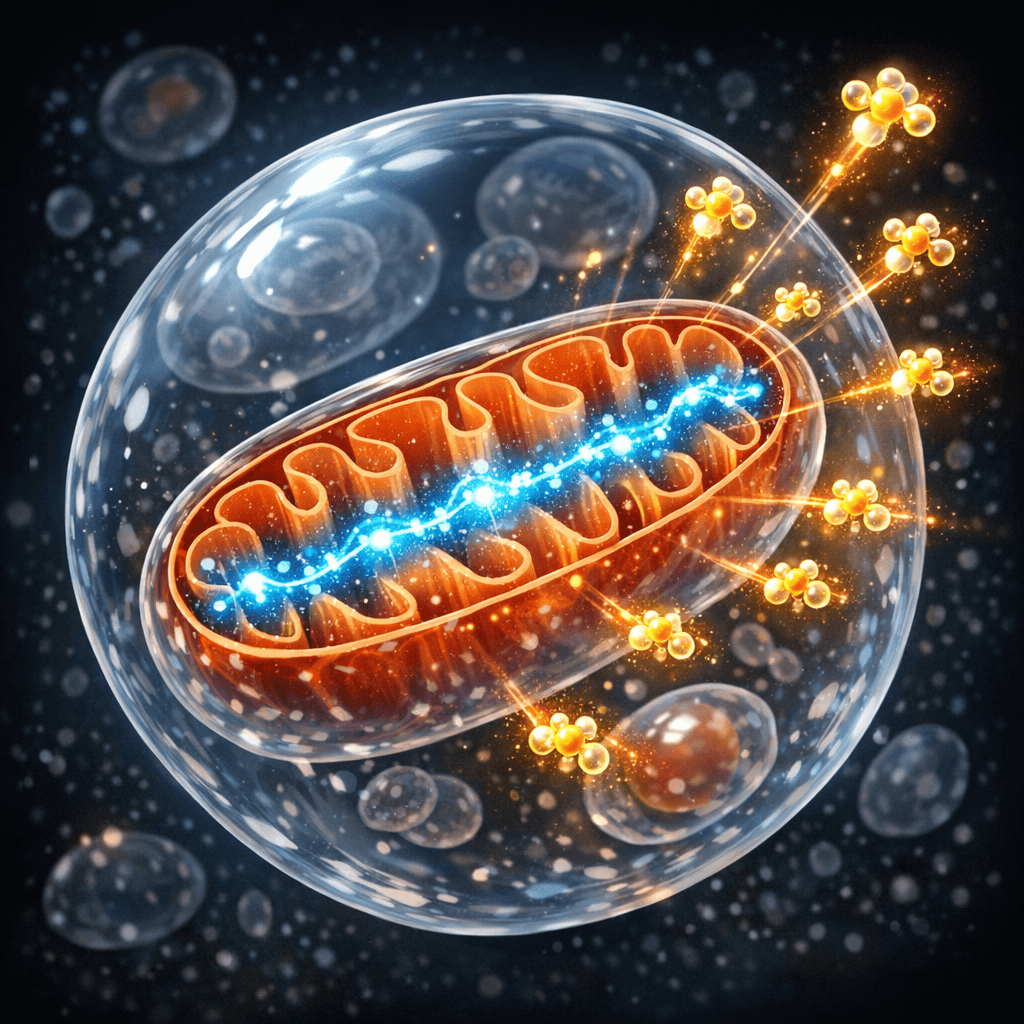
Mitochondria, the cellular powerhouses responsible for energy production, possess their own unique membrane systems that are particularly sensitive to fatty acid composition. These organelles contain both outer and inner membranes with distinct lipid compositions, and both can incorporate omega-3 fatty acids with significant functional consequences.
The inner mitochondrial membrane houses the electron transport chain, the cellular machinery responsible for adenosine triphosphate (ATP) production. The efficiency of this energy production system depends partly on appropriate membrane fluidity and lipid composition. Studies have shown that omega-3 fatty acid incorporation into mitochondrial membranes can influence respiratory chain efficiency and overall cellular energy production.
Additionally, mitochondrial membrane composition affects the organelle’s susceptibility to oxidative damage. Omega-3 fatty acids, while beneficial for membrane function, do contain multiple double bonds that can be targets for oxidative attack. However, cells have evolved sophisticated antioxidant systems to protect these important fatty acids, and the presence of omega-3s appears to trigger adaptive responses that strengthen overall cellular antioxidant defences.
Cellular Communication Networks
Cell membranes serve as platforms for complex communication networks, housing receptors, channels, and signalling complexes that allow cells to sense and respond to their environment. The lipid environment surrounding these membrane proteins significantly influences their function, and omega-3 fatty acids play important roles in optimising these communication systems.
Membrane microdomains, often called lipid rafts, represent specialised regions of cell membranes where specific proteins cluster together to facilitate efficient signalling. The incorporation of omega-3 fatty acids can influence the formation and function of these microdomains, potentially affecting downstream signalling cascades and cellular responses.
Furthermore, the fluidity imparted by omega-3 fatty acids affects the lateral mobility of membrane proteins, allowing for dynamic reorganisation of signalling complexes in response to cellular needs. This flexibility enables cells to adapt their communication capabilities based on changing environmental conditions and metabolic demands.
Integration with Broader Cellular Health
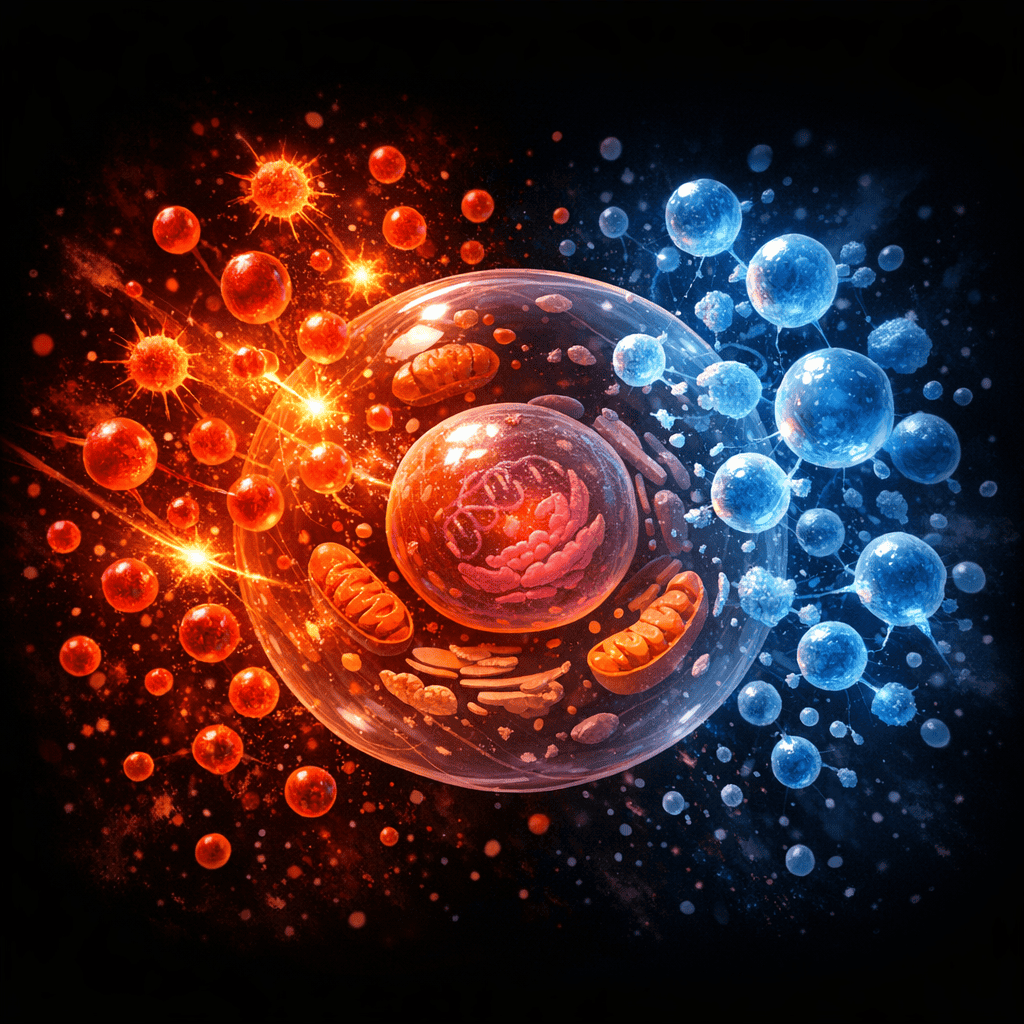
The cellular functions of omega-3 fatty acids extend far beyond simple membrane incorporation, creating integrated networks of structural and signalling benefits that support overall cellular health. From maintaining optimal membrane fluidity for protein function to serving as precursors for resolution-promoting signalling molecules, these essential fatty acids represent fundamental building blocks of cellular architecture and communication.
Understanding the cellular mechanisms through which omega-3 fatty acids support cellular function provides insight into why these nutrients have garnered significant research attention across multiple fields of biomedical science. Their roles in membrane structure, mitochondrial function, and cellular signalling create interconnected benefits that support the complex processes underlying cellular health and resilience in the face of environmental challenges.

Matt Elliott is the editor of Redox News Today, an independent publication covering peer-reviewed research on cellular health, redox signalling, and related biomedical science.