
The Science Behind Gentle Movement and Cellular Adaptation
While high intensity exercise has dominated discussions about cellular health benefits, researchers are increasingly examining how gentler forms of movement like yoga and stretching influence cellular stress responses. These practices activate distinct biological pathways that differ markedly from vigorous aerobic exercise, yet produce measurable changes in cellular function and stress adaptation mechanisms.
The mechanical forces generated during stretching and yoga poses create what scientists call mechanotransduction, where physical stress is converted into biochemical signals within cells. This process triggers specific cellular responses that help tissues adapt to mechanical challenges while maintaining structural integrity.
Mechanotransduction and Cellular Signalling
When muscles, tendons, and connective tissues experience the controlled stress of stretching, mechanosensitive ion channels in cell membranes respond by allowing calcium and other ions to flow across cellular boundaries. This ionic movement initiates cascades of intracellular signalling that influence gene expression, protein synthesis, and cellular metabolism.
The fascia, a network of connective tissue surrounding muscles and organs, appears particularly responsive to the sustained stretches characteristic of yoga practice. Fascial cells called fibroblasts detect mechanical tension and respond by modifying the production of collagen and other structural proteins. This adaptation process helps maintain tissue flexibility while strengthening the cellular matrix that supports organ function.
Unlike the rapid, intense cellular stress created by high intensity exercise, yoga and stretching generate more sustained, moderate stress signals. These gentler stimuli activate cellular defence mechanisms without overwhelming the cell’s capacity to maintain homeostasis, creating what researchers describe as beneficial hormesis, where mild stress enhances cellular resilience.
Inflammatory Responses and Recovery Patterns
The inflammatory response to yoga and stretching differs substantially from that triggered by intense exercise. Rather than producing the acute inflammatory burst associated with muscle damage and repair, gentle stretching appears to promote what scientists term resolution phase inflammation, where anti inflammatory mediators predominate over pro inflammatory signals.
This shift towards anti inflammatory signalling affects multiple cellular systems. Immune cells called macrophages, which normally respond to tissue damage, instead receive signals that promote tissue maintenance and repair without the collateral damage sometimes associated with intense inflammatory responses. The result is enhanced cellular recovery without the temporary immune suppression that can follow vigorous exercise.
Research suggests that regular yoga practice influences the production of inflammatory mediators at the cellular level, potentially through effects on nuclear factor kappa B, a protein complex that regulates inflammatory gene expression. The sustained, rhythmic breathing typical of yoga practice may contribute to these effects by influencing cellular oxygen delivery and metabolic patterns.
Redox Balance and Antioxidant Systems
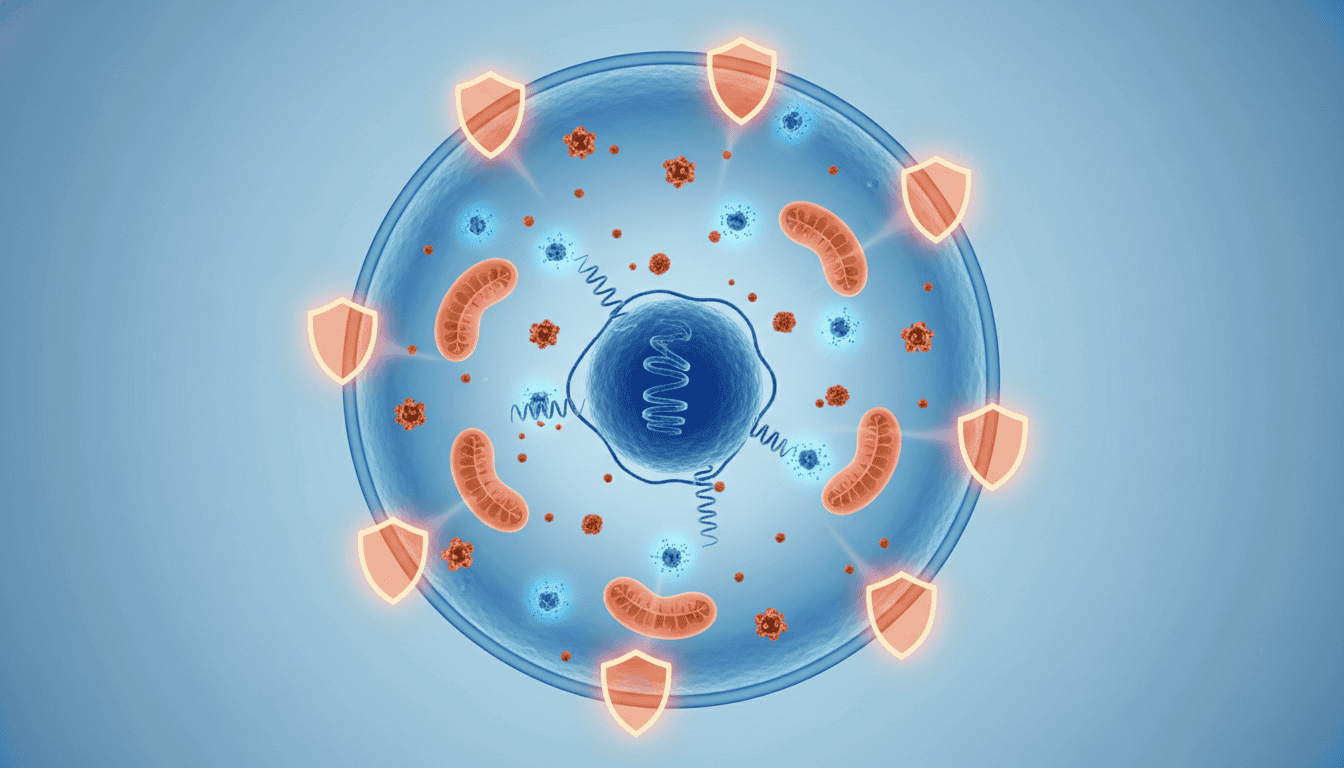
The relationship between yoga, stretching, and cellular redox balance reveals another layer of biological complexity. While intense exercise typically increases reactive oxygen species production, requiring robust antioxidant responses, gentle movement practices appear to modulate redox signalling more subtly.
Cells exposed to the mild mechanical stress of stretching show enhanced expression of antioxidant enzymes like superoxide dismutase and catalase, but without the dramatic increases in oxidative stress that accompany vigorous exercise. This suggests that yoga and stretching may serve as a conditioning stimulus for cellular antioxidant systems, improving their responsiveness without overwhelming their capacity.
The breathing techniques integral to yoga practice may contribute to redox balance through effects on cellular oxygen utilisation. Controlled breathing patterns can influence mitochondrial function and cellular energy production, potentially optimising the balance between energy generation and reactive oxygen species formation.
Neurological Integration and Cellular Communication
The neurological aspects of yoga and stretching create additional layers of cellular influence that extend beyond the mechanically stressed tissues. The parasympathetic nervous system activation associated with mindful movement practices affects cellular function throughout the body through neurotransmitter and hormone signalling.
Vagus nerve stimulation, enhanced by the deep breathing and mindful attention characteristic of yoga, influences cellular metabolism through acetylcholine signalling and other neurotransmitter pathways. This neurological input affects cellular energy production, inflammatory responses, and stress adaptation mechanisms in tissues far removed from the stretched muscles.
The integration of movement, breathing, and mental focus characteristic of yoga practice creates a unique pattern of neurological input that influences cellular function through multiple pathways simultaneously. This multisystem activation may explain why yoga practice produces cellular benefits that differ from those achieved through stretching alone or through other forms of exercise.
Long Term Adaptations and Cellular Resilience
Regular yoga and stretching practice appears to create lasting changes in cellular stress response systems. Cells adapted to regular gentle mechanical stress show improved capacity to handle various forms of cellular challenge, including oxidative stress, inflammatory stimuli, and metabolic disruption.
These adaptations extend to the cellular structures responsible for maintaining tissue integrity. Enhanced collagen organisation, improved cellular membrane stability, and optimised mitochondrial function contribute to overall cellular resilience that benefits multiple physiological systems.
The time course of these adaptations differs from those produced by intense exercise, with changes accumulating gradually over months rather than weeks. This slower adaptation pattern may contribute to the sustainability of benefits from regular practice and the lower risk of cellular damage associated with yoga and stretching compared to high intensity exercise.
Understanding how different forms of movement influence cellular stress responses provides valuable insights into the mechanisms underlying physical activity’s health benefits. As research continues to reveal the intricate relationships between mechanical stress, cellular signalling, and tissue adaptation, it becomes increasingly clear that diverse approaches to movement offer unique pathways for supporting cellular health and resilience.

Matt Elliott is the editor of Redox News Today, an independent publication covering peer-reviewed research on cellular health, redox signalling, and related biomedical science.