A developing embryo faces a peculiar problem. Its cells are dividing rapidly, metabolising furiously, and generating reactive oxygen species as a byproduct. Too much oxidative stress at this critical window can derail development entirely. Yet cells possess molecular defences, and researchers have found that a compound called NDGA, derived from creosote bush, appears to stabilise these defences during early development.
What is NDGA
NDGA stands for nordihydroguaiaretic acid. It’s a polyphenol compound found in the creosote bush, a desert plant that survives extreme environmental stress. In laboratory settings, NDGA functions as an antioxidant, meaning it can neutralise free radicals and reduce the overall oxidative burden in cells.
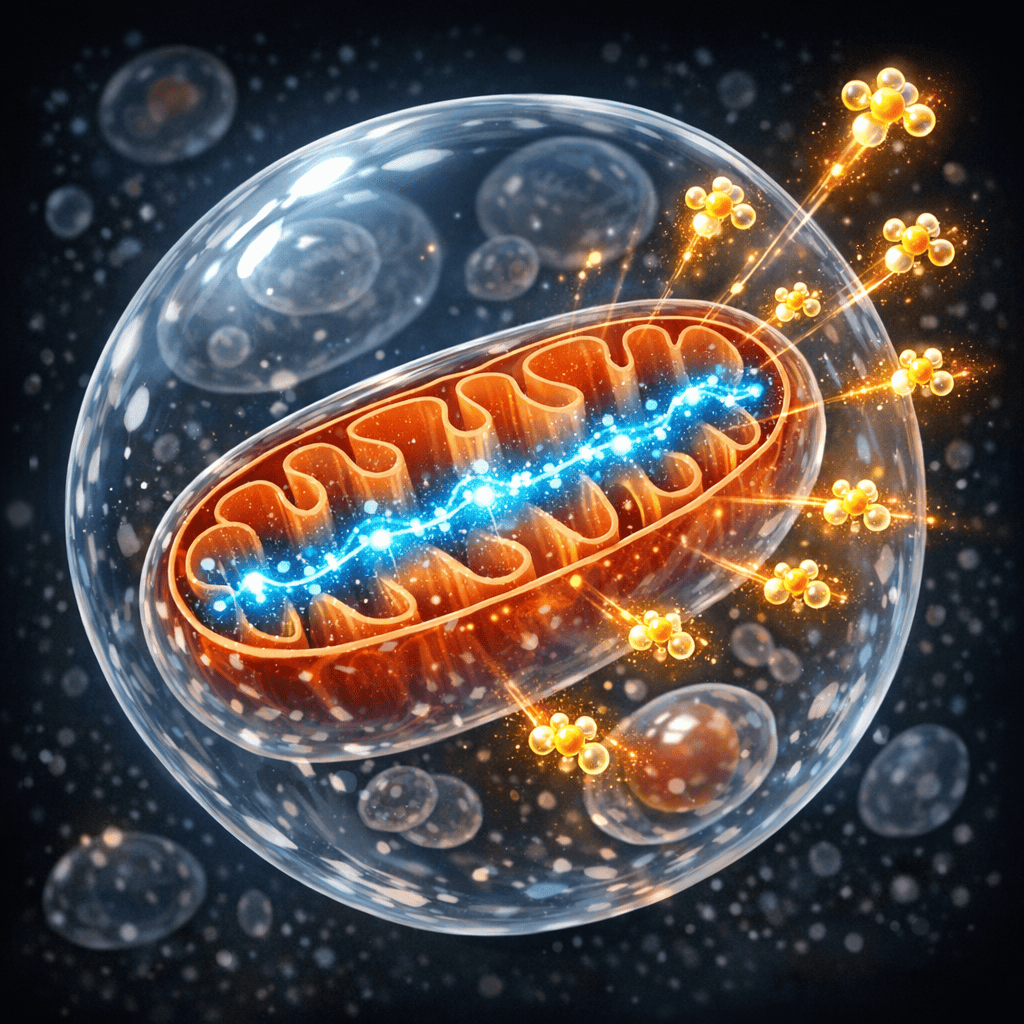
The mechanism is relatively straightforward at first glance. Free radicals are unstable molecules with unpaired electrons. They react with cellular components like lipids, proteins, and DNA, causing damage. NDGA donates electrons to stabilise these radicals before they cause harm. But what makes NDGA interesting isn’t just that it works as an antioxidant. It also appears to influence cell signalling pathways that control how cells respond to oxidative stress themselves.
Think of it as having both a shield and a way to strengthen the shield. NDGA directly scavenges free radicals, but it may also help cells activate their own protective gene expression programmes.
What the research shows
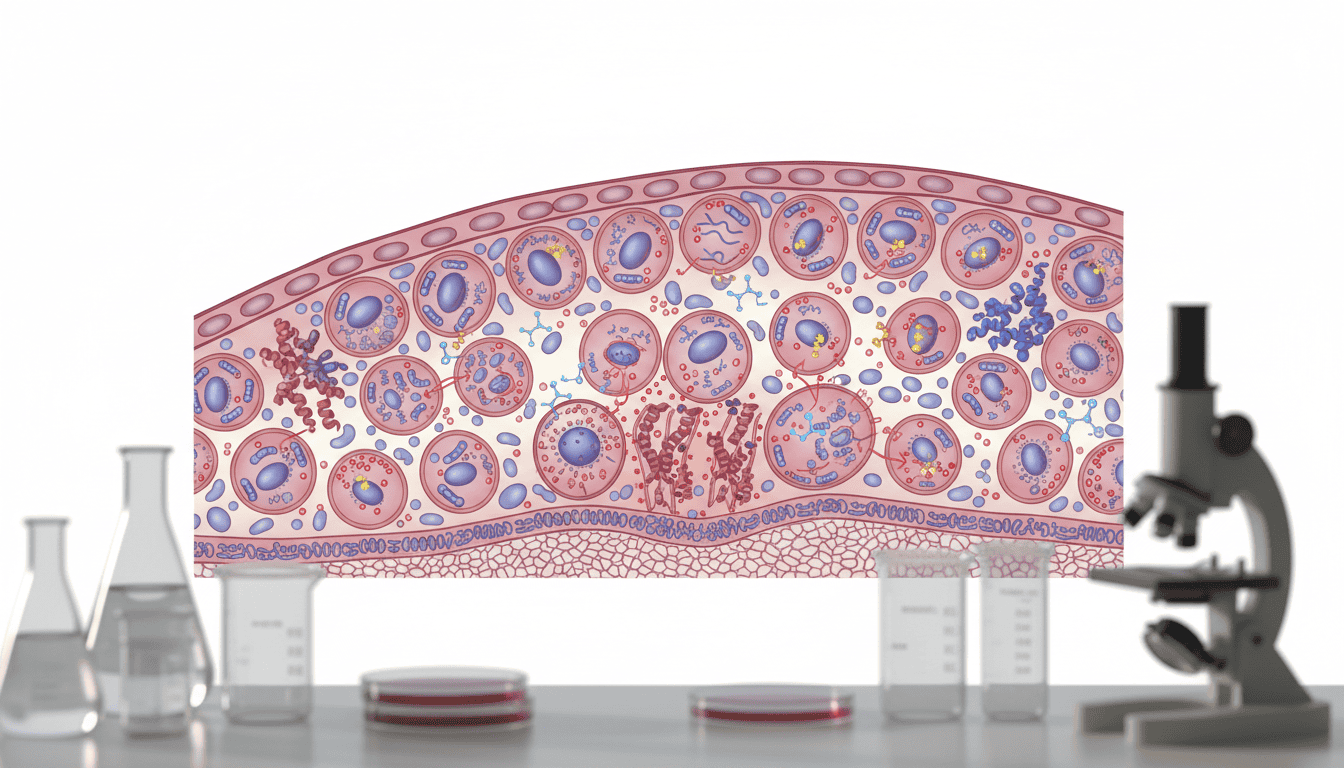
Studies examining NDGA’s effects during early embryonic development have found that the compound reduces markers of oxidative stress in developing tissues. Researchers observed lower levels of reactive oxygen species and reduced cellular damage when NDGA was present during critical developmental windows.
In cell culture models simulating early development, cells exposed to NDGA showed better survival rates under oxidative stress conditions. Specifically, scientists measured reduced DNA damage, fewer signs of lipid peroxidation, and decreased apoptosis (programmed cell death) triggered by oxidative insult. The effect appears dose dependent and timing dependent. The compound seems most protective when applied during active proliferation phases, when cellular metabolism is highest.
Interestingly, the protection isn’t universal across all cell types. Some cell populations respond more robustly to NDGA than others, suggesting that the underlying cellular context matters. Cells with certain metabolic profiles or signalling characteristics appear more responsive to the compound’s protective effects.
Why cells need this
Early development demands extraordinary metabolic activity. Cells divide, differentiate, and establish tissue structures while simultaneously producing energy and biosynthetic precursors. This metabolic intensity generates oxidative stress as an inevitable consequence.
From an evolutionary perspective, cells have invested heavily in antioxidant defences. Enzymes like superoxide dismutase, catalase, and glutathione peroxidase form an enzyme defence system. Molecules like glutathione and vitamin E provide chemical protection. These defences are constitutively active, but they have limits. During developmental phases when oxidative demand spikes, additional support matters.
Uncontrolled oxidative stress during early development can trigger developmental abnormalities. It can interfere with cell migration, disrupt gene expression patterns, and activate inappropriate cell death pathways. Evolution appears to have selected for organisms with robust antioxidant capacity during these vulnerable windows. NDGA, in this context, appears to boost protection during precisely these high-risk periods.
What affects NDGA effectiveness
NDGA’s protective capacity depends on several factors that research has begun to characterise. Nutritional status matters. Cells with adequate selenium, zinc, and iron show better responses to NDGA, likely because these minerals are cofactors for endogenous antioxidant enzymes. The compound works best when the body’s own defence systems aren’t already depleted.
Developmental timing profoundly influences NDGA’s effect. The compound appears most protective during periods of rapid proliferation and tissue reorganisation. Once development has progressed and cell division slows, the benefit appears to diminish. Temperature and metabolic rate also modulate oxidative stress levels. Cold slows metabolism and reduces free radical production. Heat accelerates both, potentially overwhelming NDGA’s protective capacity.
Environmental stressors like hypoxia or exposure to toxins amplify oxidative stress burden. In these conditions, NDGA’s protection becomes more visible because the baseline oxidative challenge is higher. Conversely, in ideal conditions with minimal environmental stress, the compound’s effects are more subtle. This explains why the compound shows robust effects in stressed laboratory conditions but requires careful interpretation when translating to complex biological systems.
What remains unknown
Scientists still puzzle over several questions. Does NDGA work equally well in vivo, inside living organisms, as it does in cultured cells? The cellular environment in an actual developing embryo is vastly more complex. Maternal factors, systemic signalling molecules, and whole-organism metabolism create a different context.
The long term consequences of NDGA exposure during development remain incompletely understood. Excessive antioxidant activity can paradoxically suppress signalling systems that rely on redox state changes. Reactive oxygen species, despite their destructive potential, also serve as signalling molecules. Over suppression could interfere with normal developmental programmes. Researchers don’t yet know what level of NDGA protection is optimal versus excessive.
The molecular targets of NDGA beyond direct free radical scavenging remain partially characterised. Does it directly activate transcription factors like NRF2 that govern antioxidant gene expression? Does it affect other signalling pathways? These questions are actively being investigated but answers remain incomplete.
Additionally, individual variation in NDGA response isn’t fully explained. Why do some cell types respond robustly while others don’t? What genetic or metabolic differences account for this variation? Understanding these differences could help predict which individuals or tissues might benefit from enhanced antioxidant support.
Research into NDGA and oxidative stress during development illustrates a fundamental principle of cellular biology: organisms exist at a precarious balance point between metabolic activity and oxidative damage. Cells have evolved multiple layers of defence, yet they remain vulnerable during windows of intense activity. NDGA appears to offer additional buffering during these critical moments. Whether this knowledge translates into useful strategies for supporting healthy development remains an active question in biomedical research. What matters now is continuing to ask precise questions about how, when, and why this compound works.

Matt Elliott is the editor of Redox News Today, an independent publication covering peer-reviewed research on cellular health, redox signalling, and related biomedical science.