Your cells are under constant chemical assault. Free radicals damage proteins, DNA, and lipids every single day. Most of the time, your cells handle this quietly, switching on defence systems that repair damage and neutralise threats. But what happens when you add a drug to the mix, one designed to prevent blood clots by interfering with platelets? Researchers have discovered that clopidogrel, one of the world’s most widely prescribed antiplatelet medications, doesn’t just affect clotting. It appears to trigger a deeper rewiring of how cells sense and respond to oxidative stress.
What is oxidative stress and ERK signalling
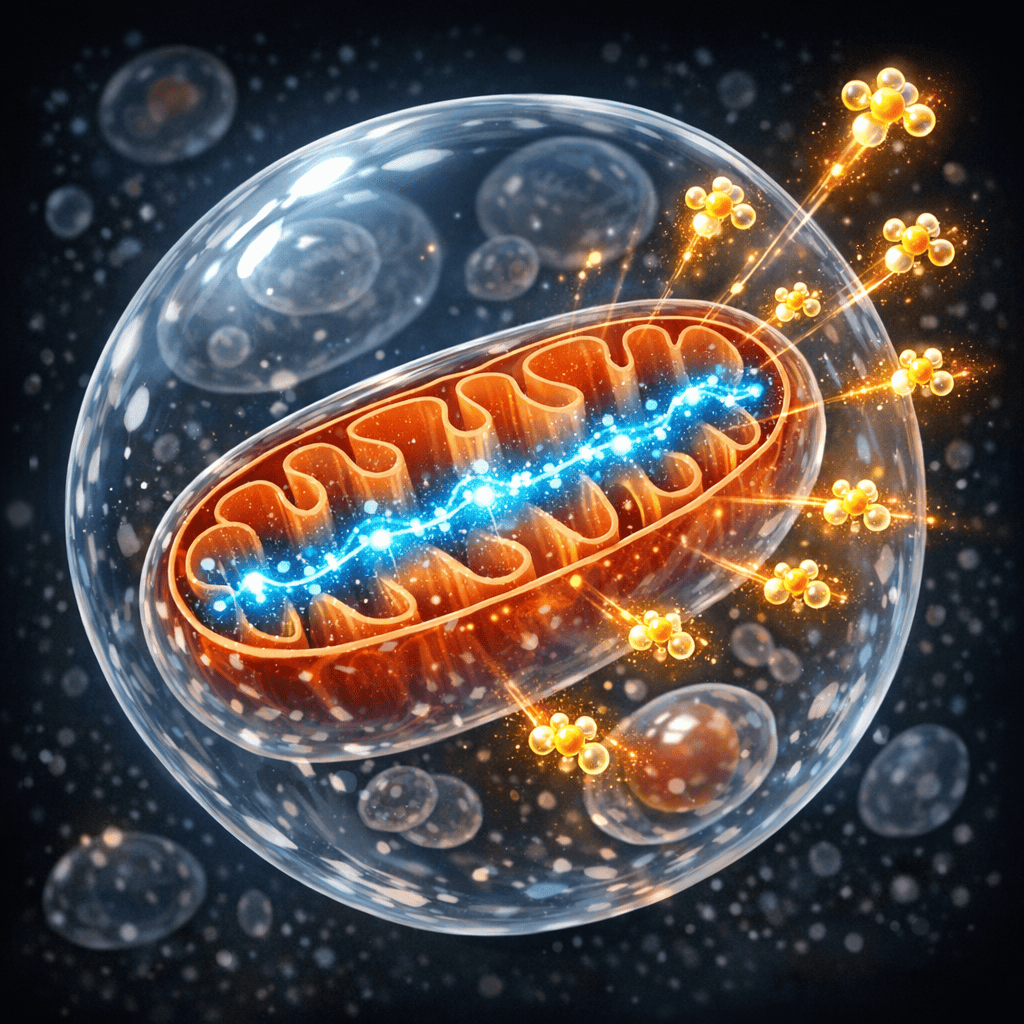
Oxidative stress isn’t actually stress in the emotional sense. It’s a chemical imbalance. When cells produce energy or encounter environmental threats, they generate reactive oxygen species (ROS) as byproducts. These molecules are like molecular shrapnel, unstable and reactive. Normally, antioxidant systems keep them under control. When ROS production outpaces the cell’s ability to neutralise them, oxidative stress occurs.
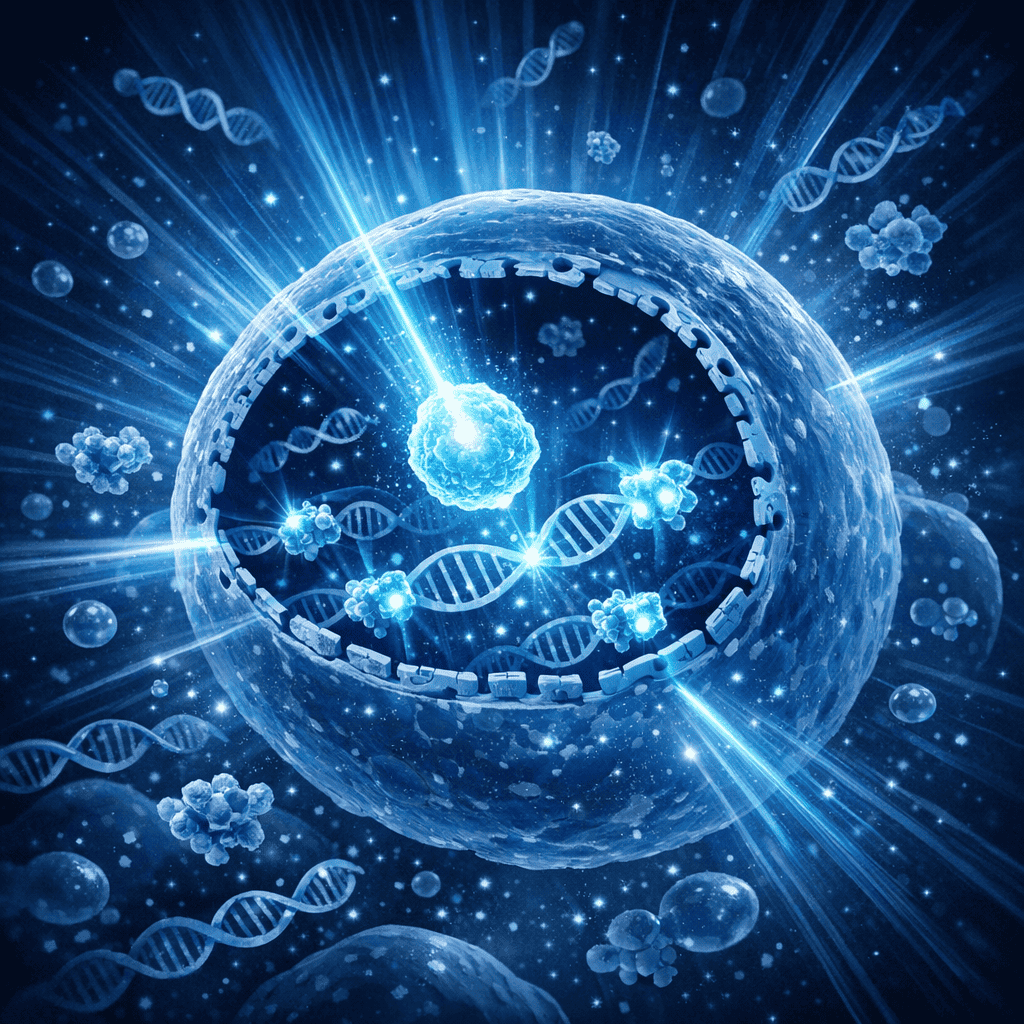
ERK signalling is one of several critical communication pathways inside cells. Think of it as a relay system. When a cell receives a signal (from growth factors, stress signals, or other molecules), proteins in the ERK pathway pass that message along, triggering specific responses. The pathway involves a cascade of protein activations, starting with RAF, moving to MEK, then to ERK itself. Once activated, ERK moves into the nucleus and alters gene expression, changing what the cell actually produces.
These two systems, oxidative stress defence and ERK signalling, normally work as separate departments. They coordinate, certainly, but they have distinct jobs. Recent research suggests clopidogrel forces them into a closer conversation than usual.
What the research shows
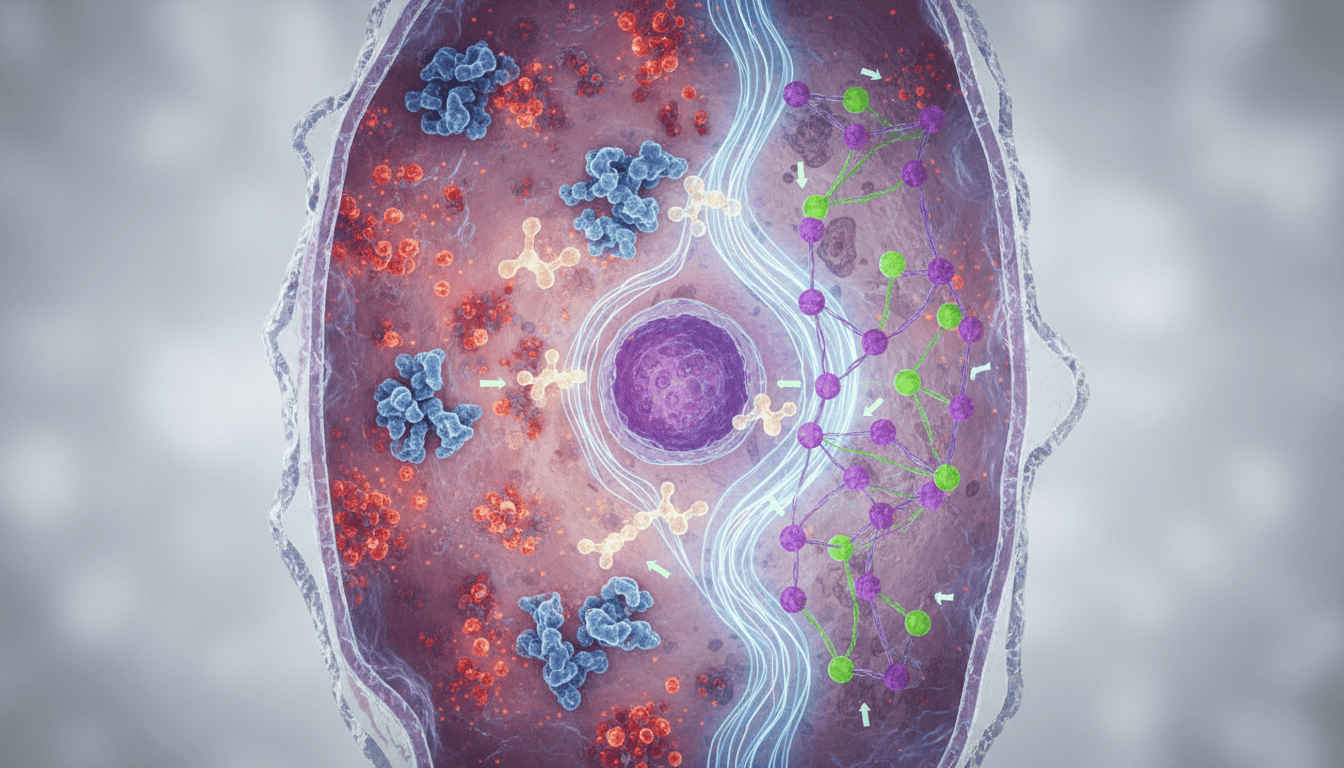
When researchers expose cells to clopidogrel in laboratory conditions, something unexpected happens. The drug activates ERK signalling in a way that simultaneously influences oxidative stress markers. Specifically, cells treated with clopidogrel show elevated ERK phosphorylation, meaning the protein has been chemically activated. At the same time, measurements of oxidative stress shift.
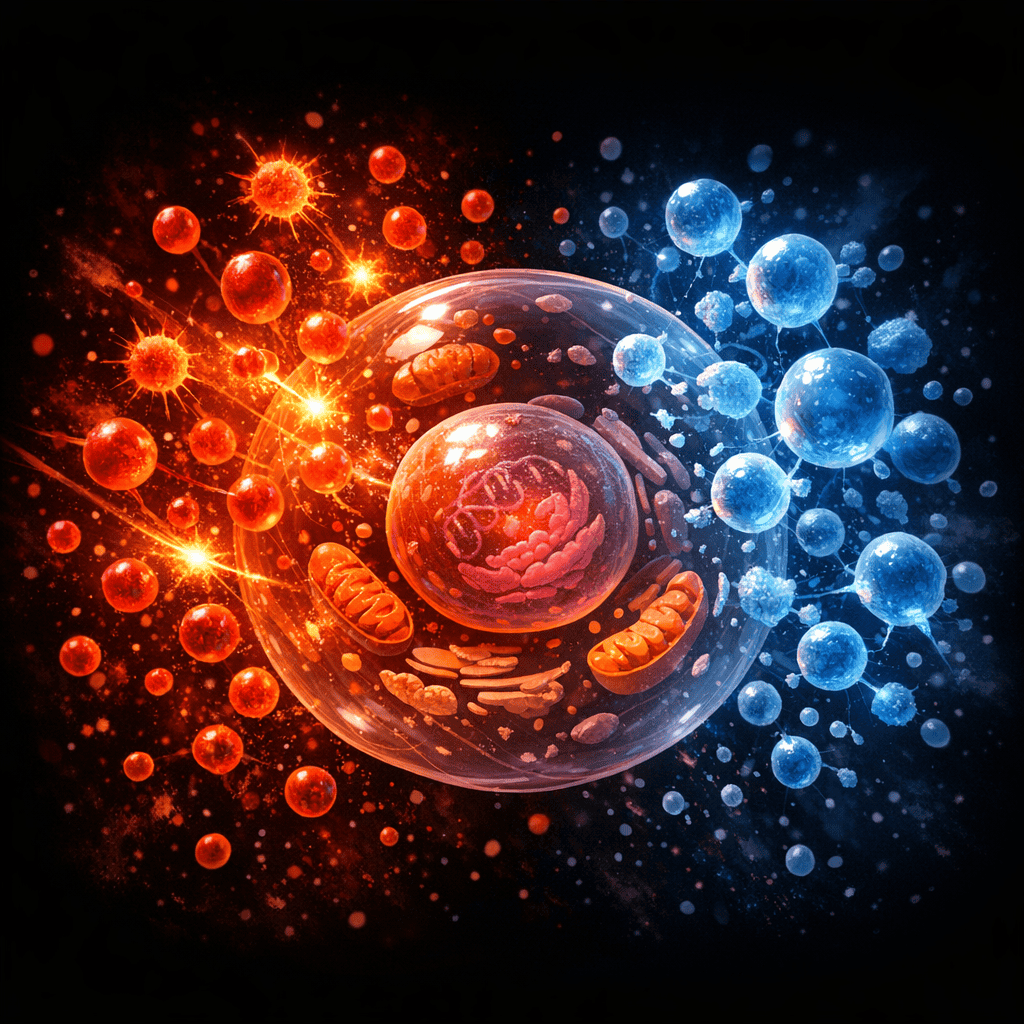
The direction of this shift depends on the cell type and experimental conditions, which is where this gets interesting. In some cell contexts, ERK activation via clopidogrel appears to enhance antioxidant defence, ramping up production of protective enzymes like superoxide dismutase and catalase. The cell is, in effect, anticipating increased oxidative challenges and preparing its arsenal. In other contexts, particularly in certain immune cells, the relationship inverts. ERK activation associates with increased ROS production, suggesting the cell is mounting an inflammatory response alongside the signalling changes.
This isn’t a simple on-off switch. The dose matters enormously. Low concentrations of clopidogrel produce modest ERK activation with minimal impact on oxidative balance. Higher concentrations push the system harder, and the effects become more pronounced and sometimes more unpredictable. The timing also matters. The signalling changes happen within minutes to hours, but oxidative stress markers take longer to reflect the underlying biology.
Why cells need these mechanisms
To understand why this interaction matters, you need to know what each system actually accomplishes. Oxidative stress defence protects cellular structures from damage. It’s passive in the sense that antioxidant enzymes exist ready to act, but it’s active in the sense that cells can upregulate these defences when needed. This is basic cellular survival, conserved across nearly all organisms.
ERK signalling, by contrast, handles decisions. It processes incoming information about growth signals, differentiation cues, and stress responses, then instructs the cell what to do. In the context of antiplatelet therapy, clopidogrel achieves its clinical effect by blocking ADP signalling on platelets, preventing them from aggregating. But the drug doesn’t stop at platelets. When it enters other cells, it can trigger alternative signalling pathways.
The combination of both systems being affected makes biological sense if you think about it. A cell that senses metabolic or pharmacological disruption might activate ERK signalling to assess the situation and mount an appropriate response. That response could include ramping up oxidative defences, preparing for a potential challenge. In evolutionary terms, this represents a coordinated stress response strategy.
What affects clopidogrel’s impact on these pathways
Cell type is the primary variable. Platelets respond to clopidogrel through their normal antiplatelet mechanism, involving P2Y12 receptor inhibition. Endothelial cells, which line blood vessels, show different pathway activation patterns. Immune cells like macrophages and monocytes show yet another distinct profile. This means the drug’s effect on oxidative stress and ERK signalling isn’t a universal cellular phenomenon but rather a tissue and cell-type dependent process.
Genetic variation influences outcomes too. Patients carry different versions of genes encoding CYP450 enzymes, which metabolise clopidogrel into its active form. Poor metabolisers activate the drug less efficiently, receiving lower active drug levels. This directly impacts the magnitude of ERK activation and oxidative stress effects. Similarly, genetic variation in antioxidant enzyme genes can determine how readily cells can counteract any clopidogrel-induced increase in ROS.
Age and metabolic state also play roles. Older cells often have compromised antioxidant capacity and altered signalling pathway responsiveness. Chronic conditions like diabetes or cardiovascular disease appear to amplify clopidogrel’s effects on these pathways, possibly because cells in these conditions already operate under elevated oxidative stress. Nutritional status, particularly antioxidant intake from diet, influences the baseline state of cellular ROS defences and could modify how clopidogrel’s effects manifest.
What remains unknown
The clinical relevance of these pathway interactions remains genuinely unclear. Laboratory conditions in cell culture differ radically from the intact human body, where drugs undergo metabolism, encounter immune systems, and distribute unevenly across tissues. We don’t yet know whether clopidogrel’s effects on ERK signalling and oxidative stress contribute meaningfully to either its therapeutic benefits or its side effects in patients.
The mechanism underlying clopidogrel’s ability to activate ERK in non-platelet cells isn’t fully established. The drug might act through off-target effects on other cell surface receptors. Alternatively, clopidogrel metabolites might trigger distinct signalling cascades. Or the drug could indirectly affect cells through paracrine signalling, with platelets or endothelial cells responding first and then influencing nearby cells. Each possibility requires different research approaches and could have different physiological implications.
The relationship between oxidative stress changes and ERK activation also needs clarification. Do ERK signals cause oxidative stress changes, or do ROS changes trigger ERK activation? Or do both reflect a single underlying cellular response to drug presence? Understanding this causal architecture would help predict which patients might experience pronounced effects and whether interventions targeting either pathway could modify drug response.
The interplay between clopidogrel’s effects and baseline cellular oxidative status remains incompletely studied. Do patients with elevated baseline ROS experience greater pathway perturbations? Would antioxidant interventions modify clopidogrel’s signalling effects? These questions have obvious clinical implications but lack clear answers from current research.
What this research reveals is that drugs designed to target one system don’t operate in isolation. Clopidogrel’s effects on ERK signalling and oxidative stress represent a reminder that cellular biology is deeply networked. A medication prescribed for its action on platelet aggregation ripples through multiple cellular communication systems simultaneously. Understanding those ripples, and their consequences for different cell types and patients, remains an active area of investigation in cellular pharmacology.

Matt Elliott is the editor of Redox News Today, an independent publication covering peer-reviewed research on cellular health, redox signalling, and related biomedical science.