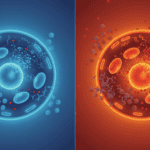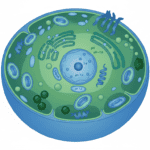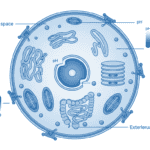

Your cells face a problem every winter that most of us never think about. When body temperature drops, the machinery inside each cell starts to seize up. Proteins misfold. Chemical reactions slow to a crawl. Yet somehow, some cells manage to keep themselves alive during hypothermia, rewiring their entire internal operation on the fly. Scientists are now using single-cell analysis to watch this survival drama unfold one cell at a time, and what they’re finding challenges everything we thought we knew about how cells handle extreme cold.
What is single-cell analysis
Single-cell analysis is a set of techniques that lets researchers study individual cells rather than looking at tissues or cell populations as one blurry average. Instead of grinding up a million cells and measuring what happens on average, scientists now isolate single cells and measure their gene expression, protein levels, and metabolic state one by one. Think of it as the difference between asking “what does the average person do during a pandemic” versus watching what five thousand people actually did in real time. The individual stories matter.
The main tools are RNA sequencing on individual cells (which reveals which genes are turned on or off), flow cytometry (which sorts and analyses cells based on specific markers), and imaging techniques that track molecular changes inside living cells. When cold stress hits, different cells in the same tissue respond in wildly different ways. Some shut down aggressively. Others keep fighting. Single-cell methods finally let researchers see these differences instead of averaging them away.
What the research shows
When researchers expose cells to hypothermic conditions and then look at them one by one, they find something unexpected: not all cells respond the same way, even though they’re genetically identical and sitting in the same cold environment. Some cells activate a defensive program called the unfolded protein response, which essentially tells the cell to stop making new proteins and focus on repairing the ones that are breaking down. Others activate autophagy, a cellular recycling programme that breaks down damaged components and uses the pieces as raw materials.
The timing is staggered too. Early responders activate their cold defence genes within minutes. Late responders don’t engage until much later. Researchers have also found that cells activate multiple stress pathways simultaneously rather than picking just one strategy. This layered response suggests cells are essentially hedging their bets in extreme cold, running several survival programs at once to maximise their chances. Some cells that survive the initial cold exposure later activate programmed cell death pathways, as if they’ve decided they’re too damaged to continue.
Perhaps most revealing: cells appear to retain a kind of molecular memory of cold exposure. When researchers warm cells back up after cold stress and then expose them to cold again, the second response is faster and more coordinated. The cells have essentially learned something from the first encounter.
Why cells need this
Cold stress is a genuine cellular emergency. When temperature drops, several things happen at once that threaten cell survival. Lipid membranes become rigid and lose their fluidity. Proteins begin to aggregate and misfold because the chemical reactions that normally keep them in shape slow down dramatically. Ion pumps that maintain electrical gradients across cell membranes work poorly in the cold, so cells leak ions they shouldn’t. Metabolic reactions that require specific enzyme activity basically stall out.
From an evolutionary perspective, cells in organisms that survive in cold environments (or survive temporary cold exposure like hibernation) needed ways to detect this threat and respond rapidly. The stress response mechanisms we see today are the survivors of millions of years of natural selection. Cells that couldn’t sense cold or mount a defence died. Cells that responded too slowly died. Only cells with sophisticated cold-sensing and rapid-response systems survived to pass on their genes. The complex layered response that single-cell analysis is now revealing makes sense as an evolutionary solution to an ancient problem.
What affects cellular stress response
Single-cell studies show that the cold response depends on several factors beyond just temperature. Age matters significantly. Cells from older organisms tend to activate protective genes more slowly and less completely than cells from younger organisms. This might explain why older people are more vulnerable to hypothermia at the clinical level.
Prior metabolic state also influences how quickly and strongly a cell responds. Cells that were already stressed from oxidative damage, nutrient deprivation, or other insults respond differently to cold than well-nourished, healthy cells. The specific cell type matters too. Neurons show a markedly different cold response profile than immune cells or skin cells. Some cell types prioritise immediate survival. Others seem to accept death as an outcome while protecting their neighbours.
Tissue context plays a role as well. The same cell type shows different stress responses depending on whether it’s sitting in a monolayer dish or embedded in actual tissue architecture. This is why tissue-level studies using single-cell analysis have been revelatory. You can’t predict how cells will actually behave in your body by studying isolated cells alone.
What remains unknown
Despite the advances, huge questions remain. Scientists still don’t fully understand what triggers the switch from “survive this” to “I’m too damaged, time to die” in cold-stressed cells. The molecular signals that tell one cell to activate autophagy while an adjacent cell activates apoptosis remain murky. Researchers also don’t know whether the cellular memory of cold exposure persists long term or fades away. Can a cell remember cold exposure for hours? Days? Does it matter physiologically?
The role of individual mitochondria is still unclear too. Mitochondria are cold-sensitive organelles, but single-cell analysis hasn’t yet revealed whether they act independently during cold stress or coordinate their response with the rest of the cell. We also don’t understand why some cells seem to have a higher cold-tolerance threshold than others at a genetic level. Are there natural variations in cold-sensing machinery that some people inherit? That remains an open question.
One more puzzle: most single-cell studies so far have looked at acute cold exposure in the lab. Real hypothermia develops over hours as core body temperature drops gradually. Whether cells respond differently to slow temperature decline versus rapid laboratory cooling remains to be properly investigated.
Single-cell analysis is revealing that cellular cold survival isn’t a universal switch but rather a coordinated symphony of individual cellular decisions. Each cell senses danger, interprets that danger differently based on its context, and launches its own tailored response. By watching individual cells mount their defences against extreme conditions, we’re learning that cells aren’t passive victims of their environment. They’re active, intelligent responders with strategies. Understanding those strategies at the single-cell level might eventually tell us something profound about cellular resilience itself.

Matt Elliott is the editor of Redox News Today, an independent publication covering peer-reviewed research on cellular health, redox signalling, and related biomedical science.