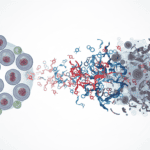

Your brain runs on a knife’s edge. Neurons fire billions of times a day, using oxygen to generate energy. That process produces free radicals as a byproduct, like exhaust from a motor. Under normal circumstances, your cells have cleanup crews standing by. But when you drink alcohol, you’re essentially flooding those cleanup crews with extra work, pushing your brain’s defence systems toward collapse.
What is oxidative stress
Oxidative stress happens when free radicals accumulate faster than your cells can neutralise them. Free radicals are unstable molecules missing an electron. They’re desperately searching for a replacement, and they’ll grab one from wherever they can find it: proteins, lipids, DNA. That theft causes damage.
Your cells fight back with antioxidants and antioxidant enzymes. Glutathione, superoxide dismutase, catalase. These are your first line of defence. When everything’s balanced, you’re fine. When free radicals win the numbers game, oxidative stress sets in.
The brain is particularly vulnerable because it’s metabolically expensive. Neurons consume about 20 percent of your body’s oxygen supply despite making up only 2 percent of body weight. More oxygen metabolism means more free radicals generated constantly. The brain also contains less antioxidant enzyme activity than other organs. Evolution didn’t overinvest in brain defences, probably because historically humans didn’t live long enough for it to matter.
What the research shows
When alcohol enters your body, your liver breaks it down through two main pathways. The first involves the enzyme alcohol dehydrogenase, which converts ethanol to acetaldehyde. That’s toxic. Acetaldehyde then becomes acetic acid, which is relatively harmless. But here’s the problem: acetaldehyde generation produces NADH, and excess NADH triggers mitochondrial dysfunction.
Mitochondria are your cells’ power plants. They generate ATP through a process that normally runs cleanly. Add alcohol to the mix and that process goes haywire. Electrons leak from the electron transport chain and form superoxide, a particularly nasty free radical. Studies measuring oxidative markers in heavy drinkers show elevated levels of malondialdehyde and protein carbonyls in the blood. These are signatures of damage.
Brain tissue from people with alcohol use disorder shows specific patterns. Neurons accumulate lipid peroxides. Mitochondrial DNA gets damaged. The corpus callosum, which connects the brain’s two hemispheres, shows structural deterioration in imaging studies. Chronic alcohol consumption also depletes glutathione stores in neurons, crippling the brain’s first line of defence.
The damage isn’t random. Certain brain regions take harder hits. The cerebellum, which controls balance and coordination, shows consistent oxidative damage. The prefrontal cortex, essential for decision making and impulse control, deteriorates faster than other regions. Some research suggests this creates a vicious cycle: damaged prefrontal cortex means worse impulse control, which leads to heavier drinking, which causes more damage.
Why cells need oxidative balance
Free radicals aren’t entirely bad. Your immune system uses them deliberately, generating reactive oxygen species to kill pathogens. Some signalling pathways in neurons rely on low levels of free radicals to function properly. The goal isn’t zero oxidative stress. It’s balance.
Evolution shaped your antioxidant systems around normal alcohol exposure. Humans have been fermenting foods and beverages for thousands of years, but not at modern consumption levels. Your ancestors weren’t drinking multiple drinks daily. The antioxidant systems you inherited can handle occasional alcohol. They’re overwhelmed by chronic heavy use.
Neurons particularly depend on maintaining this balance because they’re long-lived cells with high metabolic demands. Unlike skin cells that replace every two weeks, neurons stay with you for decades. Accumulated oxidative damage means neurons accumulate protein misfolding. That triggers neuroinflammation. Microglia, the brain’s immune cells, activate in response to damaged proteins and release inflammatory cytokines. That further increases free radical production.
What affects oxidative stress from alcohol
Genetics matter. Polymorphisms in genes coding for alcohol dehydrogenase and aldehyde dehydrogenase determine how quickly your body processes ethanol. Slower metabolisers experience higher acetaldehyde exposure. Some populations have genetic variants that make alcohol metabolism much slower. They typically experience worse hangovers and appear to have different neurological vulnerability.
Age is significant. Older brains have fewer antioxidant defences and less efficient mitochondrial function to begin with. An older person drinking the same amount as a younger person experiences disproportionately worse oxidative stress. The prefrontal cortex continues developing into your mid-20s, making young brains vulnerable during this window.
Sex differences exist in how the brain responds to alcohol’s oxidative effects. Research suggests women’s brains accumulate oxidative damage from alcohol at lower consumption levels than men’s brains. This reflects partly different body composition and partly different metabolic responses.
Nutritional status changes vulnerability. Inadequate B vitamins, especially folate and B12, impairs your ability to process alcohol and maintain antioxidant defences. Diets high in polyunsaturated fats provide more substrate for lipid peroxidation. People with iron overload experience accelerated free radical production because iron participates in free radical generation.
Exercise appears protective. Physical activity upregulates antioxidant enzyme expression in the brain. Sleep quality affects oxidative stress accumulation. Poor sleep itself increases oxidative stress, and alcohol disrupts sleep architecture, creating a compounding problem.
What remains unknown
The relationship between acute oxidative stress from alcohol and long-term neurological outcomes needs more clarity. We know chronic heavy drinking causes oxidative stress. We know oxidative stress damages neurons. But the causal chain has gaps. Which specific oxidative damage patterns lead to permanent cognitive decline versus reversible impairment? That’s still being worked out.
Protective factors aren’t fully mapped. Some heavy drinkers show surprising cognitive resilience. Genetic backgrounds, antioxidant systems, and brain plasticity all play roles, but we don’t yet understand which combinations matter most. Personalised risk prediction remains elusive.
The temporal dynamics are unclear. How quickly does oxidative stress accumulate? Does it build linearly with consumption or is there a threshold effect? Once you stop drinking, how quickly can your brain’s antioxidant defences recover? These questions are research priorities.
We’re still figuring out how oxidative stress triggers neuroinflammation and how those two processes interact. Oxidative damage activates microglia, but we don’t understand all the signals involved or whether some people’s immune responses are disproportionately active.
Your brain’s ability to handle stress, including oxidative stress, depends on dozens of interconnected systems. Alcohol disrupts all of them simultaneously. Mitochondria malfunction. Antioxidant defences deplete. Neuroinflammation develops. Understanding alcohol’s effects on the brain means understanding how damage propagates through these networks, and we’re still building that picture.

Matt Elliott is the editor of Redox News Today, an independent publication covering peer-reviewed research on cellular health, redox signalling, and related biomedical science.