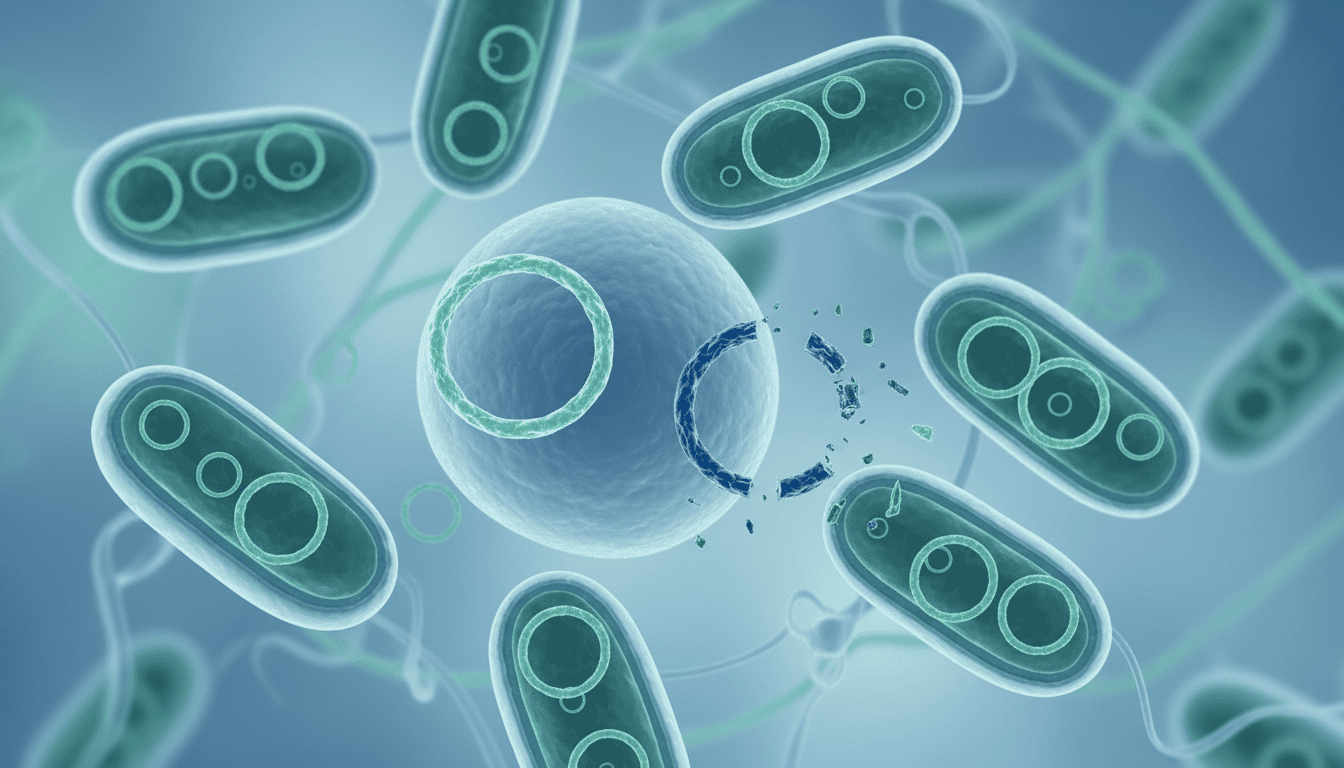
Your mitochondria carry their own DNA, separate from the genetic material in your cell nucleus. This ancient genetic code has survived billions of years, but it has a problem: it sits dangerously close to the cellular machinery that generates energy, making it vulnerable to damage from radiation and oxidative stress. Now researchers are discovering that radiation exposure before conception can alter this mitochondrial DNA in ways that affect the next generation.
What is mitochondrial DNA inheritance
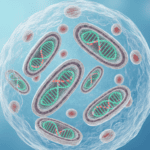
Mitochondrial DNA works differently from nuclear DNA. While you inherit nuclear DNA from both parents, mitochondrial DNA comes almost exclusively from your mother. Each mitochondrion contains multiple copies of a small circular genome with just 37 genes, but these genes are essential for energy production.
When sperm fertilises an egg, the sperm’s mitochondria are typically destroyed, leaving only the mother’s mitochondrial DNA to populate the developing embryo. This means any damage to mitochondrial DNA in the maternal lineage gets passed directly to offspring. The process seems simple, but the implications are profound.
Unlike nuclear DNA, mitochondrial DNA lacks the sophisticated repair mechanisms that protect chromosomes in the cell nucleus. It sits in the mitochondrial matrix, where reactive oxygen species from energy production constantly bombard it. This location makes it roughly 10 times more susceptible to mutation than nuclear DNA.
What the research shows
Studies in laboratory animals reveal that radiation exposure before mating can cause specific types of damage to mitochondrial DNA that appear in offspring. Researchers exposed female mice to ionising radiation weeks before breeding and then examined the mitochondrial DNA in their pups.
The offspring showed increased rates of mitochondrial DNA deletions and point mutations, even though they were never directly exposed to radiation. These weren’t random changes. The damage clustered around specific regions of the mitochondrial genome, particularly areas coding for proteins involved in the electron transport chain.
The timing of exposure matters. Radiation delivered during different phases of egg cell development produces different patterns of mitochondrial DNA damage. Exposure during the final maturation stages of egg cells creates more severe and varied mutations than earlier exposure, suggesting that developing eggs have some capacity to repair mitochondrial DNA damage if given enough time.
Human studies, while necessarily limited, show similar patterns. Populations exposed to radiation from nuclear accidents or medical treatments show increased rates of mitochondrial DNA mutations that correlate with subsequent generations having altered mitochondrial function.
Why cells need mitochondrial DNA protection
Mitochondrial DNA codes for 13 essential proteins that form part of the cellular energy production system. Damage to these genes directly impairs the cell’s ability to generate ATP, the universal energy currency. This creates a biological bottleneck where energy production depends on maintaining the integrity of a small, vulnerable genome.
Evolution has developed several mechanisms to protect mitochondrial DNA inheritance. Eggs contain hundreds of thousands of mitochondria, creating redundancy so that some undamaged copies of mitochondrial DNA survive even when many are corrupted. The maternal inheritance pattern also helps by eliminating potential conflicts between different mitochondrial DNA types that could arise from biparental inheritance.
Cells also employ a quality control system called mitophagy, where damaged mitochondria get destroyed before they can replicate their corrupted DNA. During egg development, this process becomes particularly active, potentially weeding out the most severely damaged mitochondria before fertilisation.
What affects mitochondrial DNA vulnerability
Age plays a major role in mitochondrial DNA susceptibility to radiation damage. Older eggs accumulate more baseline mitochondrial DNA damage and show reduced repair capacity when exposed to additional stressors like radiation. This explains why maternal age correlates with increased risk of mitochondrial dysfunction in offspring.
Antioxidant status influences how radiation affects mitochondrial DNA. Animals with higher levels of antioxidants like vitamin E and coenzyme Q10 show less mitochondrial DNA damage following radiation exposure. The antioxidants don’t prevent radiation from hitting DNA directly, but they reduce the secondary damage from radiation-induced free radicals.
Diet and metabolic health also matter. High-fat diets and diabetes increase baseline oxidative stress in eggs, making mitochondrial DNA more vulnerable to radiation damage. Conversely, caloric restriction and exercise, which improve cellular stress resistance, provide some protection against radiation-induced mitochondrial DNA damage.
Environmental factors beyond radiation exposure create cumulative effects. Chemical pollutants, cigarette smoke, and certain medications can damage mitochondrial DNA in ways that make it more susceptible to radiation injury.
What remains unknown
Researchers still don’t understand why some types of mitochondrial DNA damage get passed to offspring while others don’t. The selection mechanisms that determine which mitochondria survive during egg development remain largely mysterious, despite their obvious importance for inheritance patterns.
The long-term consequences of inherited mitochondrial DNA damage are unclear. Some mutations may have minimal functional impact, while others could contribute to age-related diseases decades later. The delayed effects make it difficult to establish clear connections between pre-conception radiation exposure and health outcomes in the next generation.
Scientists are also investigating whether fathers contribute any mitochondrial DNA inheritance. While sperm mitochondria are typically destroyed after fertilisation, some recent evidence suggests that paternal mitochondrial DNA might occasionally survive, though the functional significance remains uncertain.
The potential for mitochondrial DNA repair in early development needs more research. Some studies suggest that early embryos have enhanced capacity to repair mitochondrial DNA damage, but the extent and limitations of these repair mechanisms aren’t well characterised.
This research reveals how the ancient partnership between our cells and their mitochondrial symbionts creates unexpected vulnerabilities. The damage we accumulate during our lives doesn’t just affect us, it can echo forward through generations via the mitochondrial DNA we pass on. Understanding these inheritance patterns helps explain why mitochondrial health represents such a fundamental aspect of cellular biology, connecting individual cellular function to population-level genetic stability across generations.

Matt Elliott is the editor of Redox News Today, an independent publication covering peer-reviewed research on cellular health, redox signalling, and related biomedical science.