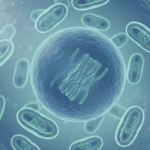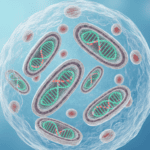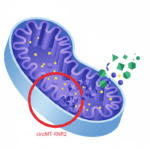
Your cells contain hundreds of tiny powerhouses called mitochondria, each carrying its own genetic library of just 37 genes. Thirteen of these genes code for proteins essential to energy production. The remaining 24 produce transfer RNAs, molecular translators that help read the genetic code. When these tRNA molecules develop mutations, the cellular consequences can be profound.
What are mitochondrial tRNA mutations
Mitochondria are unique among cellular structures because they maintain their own DNA, separate from the chromosomes in your cell’s nucleus. This mitochondrial DNA includes 22 genes for transfer RNAs plus two for ribosomal RNAs. These molecules work together as a protein manufacturing system inside each mitochondrion.
Transfer RNAs act like molecular adaptors. Each one recognises a specific three-letter genetic code and delivers the corresponding amino acid to build proteins. When a tRNA gene mutates, the resulting tRNA molecule may struggle to read the genetic instructions correctly. Some mutations cause the tRNA to misread codes entirely. Others make the molecule unstable or reduce how efficiently it works.
Unlike nuclear genes where you inherit two copies of everything, mitochondrial genes exist in hundreds of copies per cell. A single cell might carry mutated and normal versions of the same tRNA gene simultaneously, creating a complex mixture that affects protein production in unpredictable ways.
What the research shows
Scientists have identified over 200 different mutations in mitochondrial tRNA genes linked to human disease. These mutations don’t affect all tissues equally. Heart muscle, brain tissue, and skeletal muscle show the most dramatic responses to tRNA dysfunction, while other tissues appear relatively unaffected.
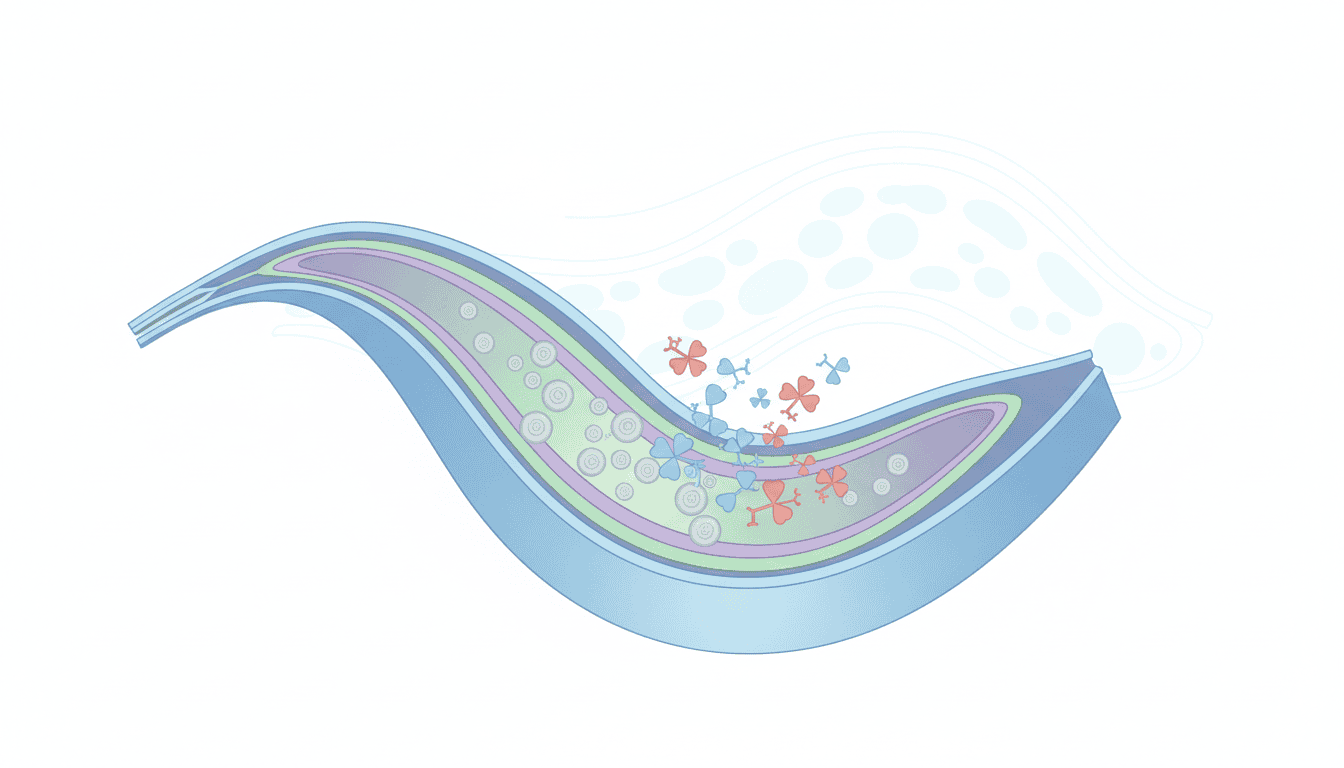
Research reveals that cells with mutated tRNAs produce fewer of the 13 essential mitochondrial proteins. When scientists examine these cells under powerful microscopes, they find mitochondria with abnormal shapes and reduced numbers. The cellular powerhouses appear swollen, fragmented, or clustered in unusual patterns.
Laboratory studies show that the percentage of mutated versus normal tRNAs determines severity. Cells function normally with small amounts of mutated tRNAs but begin showing metabolic problems when mutations exceed certain thresholds. This threshold varies dramatically between different mutations and cell types.
Researchers have also discovered that tRNA mutations affect more than just protein production. Cells with defective tRNAs show altered calcium signalling, increased production of reactive oxygen species, and changes in how they respond to stress. The mitochondrial quality control systems that normally remove damaged organelles become overwhelmed.
Why cells need functional tRNAs
Mitochondria evolved from ancient bacteria that took up residence inside early cells over a billion years ago. During this evolutionary partnership, most mitochondrial genes migrated to the cell nucleus for safer storage. The remaining 37 genes stayed behind because their protein products are too hydrophobic to transport across mitochondrial membranes.
This arrangement creates a dependency. Mitochondria must continuously manufacture 13 specific proteins locally to maintain their energy production machinery. The tRNA molecules enable this local protein synthesis, making them essential for mitochondrial survival.
Evolution preserved this system despite its apparent risks because it allows rapid, localised protein production. When mitochondria need more energy-producing proteins, they can make them immediately without waiting for nuclear genes to respond. This speed becomes particularly important in high-energy tissues like heart and brain.
The redundancy of having hundreds of gene copies per cell provides a buffer against mutations. A few defective tRNAs won’t compromise the entire system. However, this same redundancy means that mutations can accumulate over time, potentially explaining why mitochondrial dysfunction increases with ageing.
What affects tRNA function
Age represents the most significant factor influencing mitochondrial tRNA integrity. Studies consistently show that tRNA mutations accumulate throughout life, with some tissues like heart muscle showing dramatic increases in mutation burden over decades. This accumulation happens faster in tissues with high energy demands.
Environmental factors also play important roles. Exposure to certain chemicals, radiation, and oxidative stress can damage mitochondrial DNA, including tRNA genes. The mitochondrial genetic code differs slightly from the universal code, making some tRNA molecules particularly vulnerable to specific types of damage.
Research indicates that the cellular environment influences how tRNA mutations affect function. Cells under metabolic stress show more severe responses to the same mutations compared to cells in optimal conditions. Temperature, pH, and the availability of specific amino acids all modify how well mutated tRNAs perform their jobs.
Inherited tRNA mutations follow maternal inheritance patterns since mitochondria come primarily from the egg cell during reproduction. However, the inheritance of these mutations creates complex patterns because each person carries thousands of mitochondria with varying amounts of mutated DNA.
What remains unknown
Scientists still struggle to predict which tRNA mutations will cause problems and which tissues will be most affected. Two people with identical mutations can show completely different symptoms, suggesting that unknown factors modify how these mutations express themselves.
The relationship between mutation load and cellular dysfunction remains poorly understood. Researchers know that thresholds exist, but they can’t reliably predict where these thresholds lie for different mutations or cell types. Some mutations cause problems at very low levels while others seem tolerable even at high percentages.
How cells compensate for defective tRNAs represents another major knowledge gap. Some cells appear to upregulate nuclear genes encoding similar proteins, while others modify their metabolism entirely. The mechanisms controlling these compensation strategies remain largely mysterious.
Perhaps most puzzling is why certain tissues show such dramatic vulnerability to tRNA mutations while others remain unaffected. Energy demand alone doesn’t explain this pattern, suggesting that unknown tissue-specific factors determine susceptibility.
The study of mitochondrial tRNA mutations reveals the delicate balance required for cellular energy production. These tiny molecular machines, working in the cellular powerhouses we inherited from ancient bacteria, continue to shape human health in ways researchers are only beginning to understand. Each new discovery about tRNA function adds another piece to the complex puzzle of how cells maintain the energy systems that keep us alive.

Matt Elliott is the editor of Redox News Today, an independent publication covering peer-reviewed research on cellular health, redox signalling, and related biomedical science.