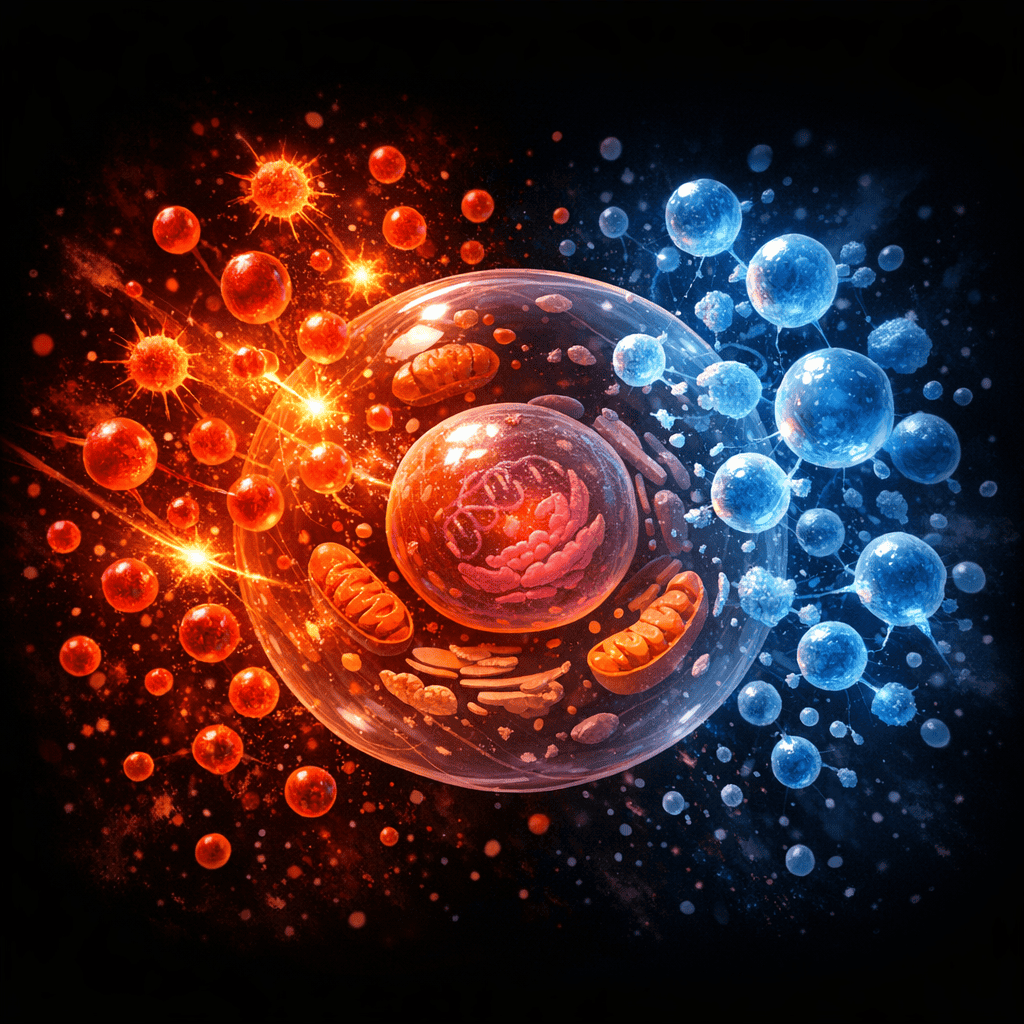
A single molecule of oxygen can turn into a cellular wrecking ball. When brain cells process energy, they inevitably produce reactive oxygen species that damage proteins, fats, and DNA. Scientists now track these molecular fingerprints of damage to understand how diseases like Alzheimer’s and Parkinson’s progress through the brain.
What are oxidative stress biomarkers
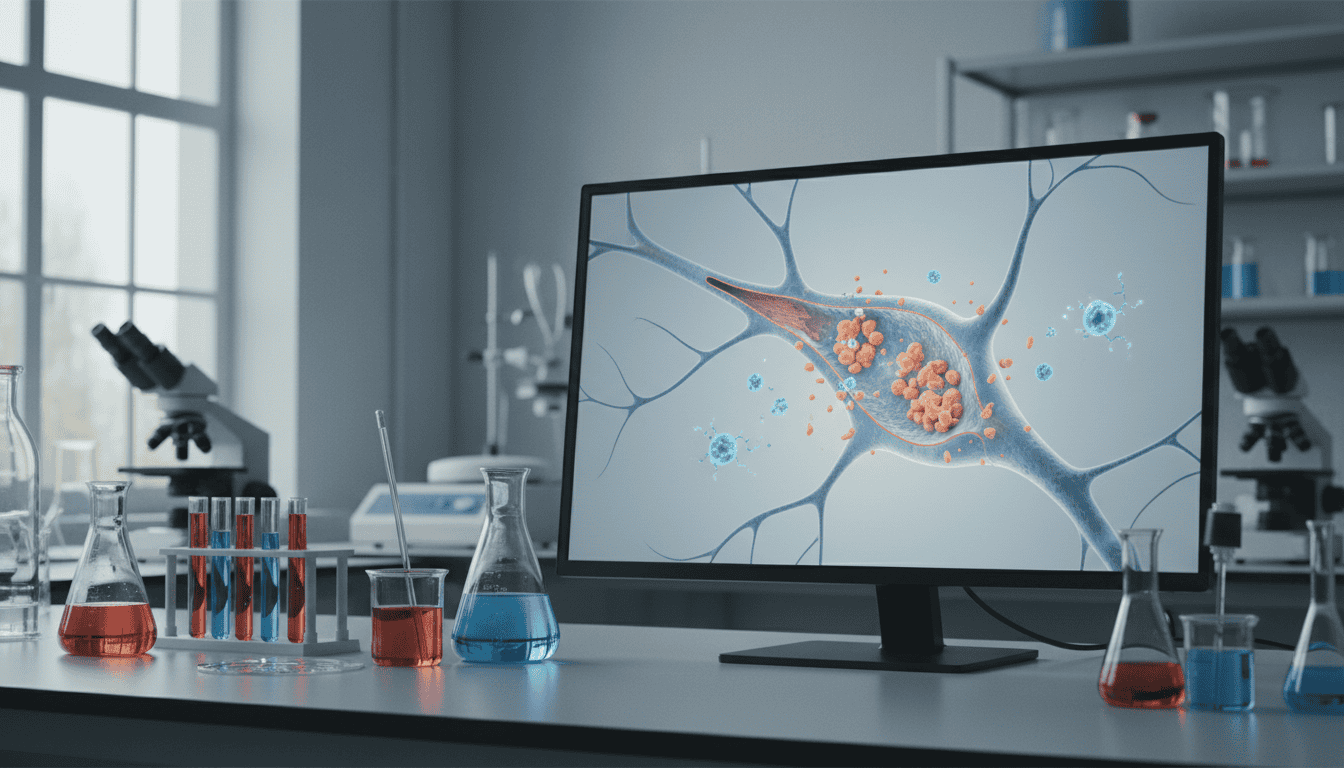
Think of oxidative stress biomarkers as molecular crime scene evidence. When free radicals attack cellular components, they leave behind specific chemical signatures. These damaged molecules accumulate in blood, cerebrospinal fluid, and brain tissue.
Lipid peroxidation creates compounds like malondialdehyde and 4-hydroxynonenal. Protein oxidation generates carbonyl groups and nitrotyrosine. DNA oxidation produces 8-hydroxy-2-deoxyguanosine. Each represents a different type of cellular damage that researchers can measure and quantify.
The brain generates these markers constantly during normal metabolism. Neurons burn enormous amounts of glucose for energy, creating oxygen radicals as an inevitable byproduct. But in neurodegeneration, this process spirals out of control.
What the research shows
Studies reveal distinct patterns of oxidative damage across different neurodegenerative diseases. Alzheimer’s patients show elevated levels of protein carbonyls in brain regions where tau tangles accumulate. The hippocampus, crucial for memory formation, displays some of the highest oxidative damage early in disease progression.
Parkinson’s disease creates a different signature. Researchers find increased lipid peroxidation in the substantia nigra, where dopamine neurons die. The iron-rich environment of this brain region accelerates free radical formation through Fenton chemistry.
Cerebrospinal fluid biomarkers change before symptoms appear. Scientists detect elevated F2-isoprostanes, products of lipid oxidation, years before clinical diagnosis in some cases. Blood markers show similar trends but with greater variability between individuals.
Longitudinal studies tracking patients over time reveal how these markers evolve. Some spike early then plateau. Others climb steadily as neurodegeneration advances. The temporal patterns differ between diseases and even between brain regions within the same condition.
Why cells need this information
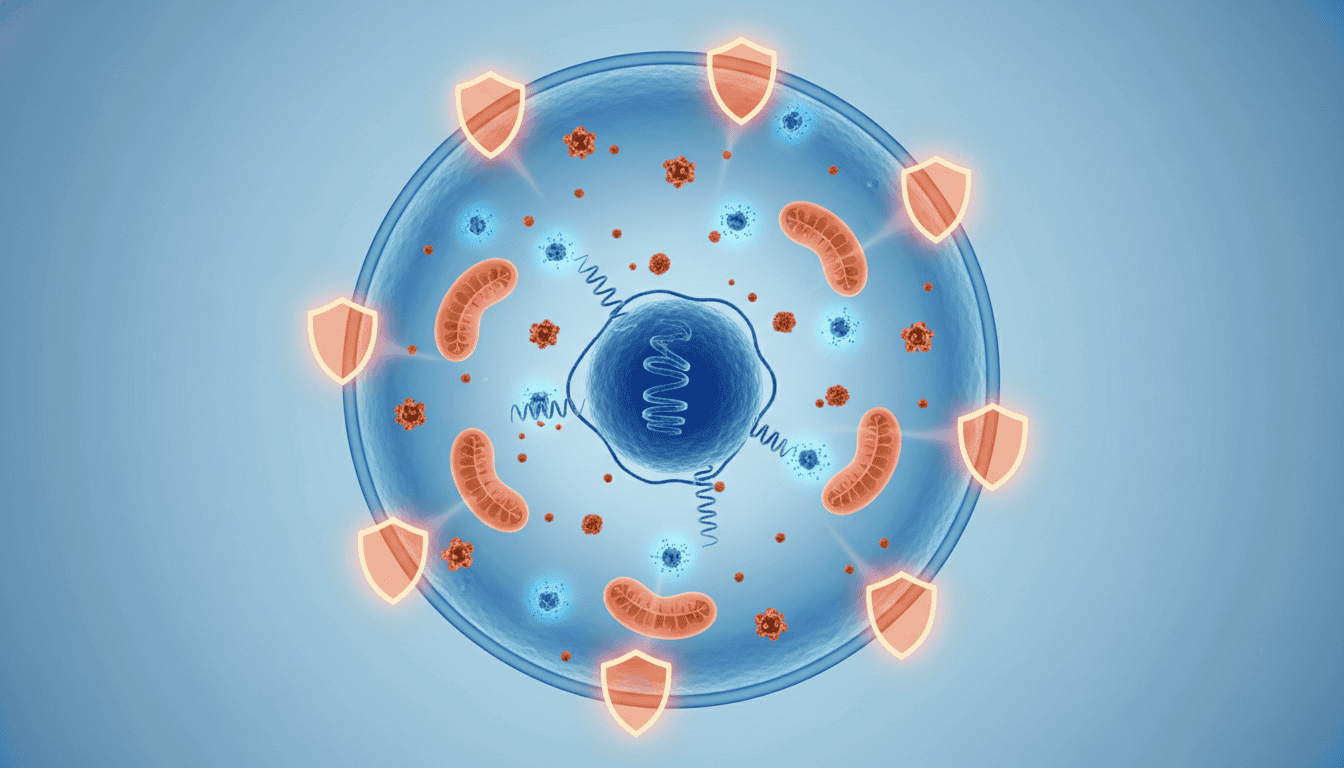
Oxidative stress biomarkers serve as an early warning system for cellular defence mechanisms. When antioxidant enzymes detect rising levels of damaged molecules, they ramp up production to restore balance. This feedback loop evolved to help cells survive temporary oxidative challenges.
The brain particularly relies on these signals because neurons cannot regenerate easily. Unlike liver cells that divide and replace themselves, most brain neurons must last a lifetime. Detecting and responding to oxidative damage quickly becomes a matter of neuronal survival.
These biomarkers also guide cellular repair processes. Damaged proteins get tagged for degradation. Lipid membranes undergo repair. DNA damage triggers checkpoint mechanisms. Without these molecular alarm bells, cells would accumulate damage until they died.
What affects oxidative stress biomarkers
Age drives the biggest changes in these markers. Mitochondria become less efficient over time, producing more reactive oxygen species while generating less ATP. Antioxidant enzyme activity declines. DNA repair mechanisms slow down. The result is a steady rise in baseline oxidative damage markers.
Diet influences biomarker levels significantly. High-fat, high-sugar meals spike lipid peroxidation markers within hours. Antioxidant-rich foods like berries and leafy greens correlate with lower baseline markers. Alcohol consumption increases protein carbonylation, while caloric restriction tends to reduce most oxidative stress indicators.
Exercise creates complex effects. Acute intense exercise temporarily elevates oxidative stress markers as muscles burn fuel rapidly. But regular moderate exercise strengthens antioxidant systems, leading to lower resting levels of damage markers over time.
Environmental toxins leave their mark too. Air pollution particles generate lung inflammation that spreads systemic oxidative stress. Heavy metals like lead and mercury catalyse free radical formation. Even chronic sleep deprivation elevates several oxidative damage markers.
What remains unknown
Scientists still debate whether oxidative stress causes neurodegeneration or results from it. Some evidence suggests free radical damage triggers the protein misfolding seen in Alzheimer’s and Parkinson’s. Other data indicates that abnormal proteins disrupt cellular metabolism, leading to oxidative stress as a secondary effect.
The timing question puzzles researchers. Why do some people show elevated biomarkers for years without developing symptoms while others progress rapidly? Genetic factors likely play a role, but the specific mechanisms remain unclear.
Standardisation across laboratories presents ongoing challenges. Different measurement techniques yield varying results for the same samples. Sample storage and processing methods affect marker stability. Creating reliable reference ranges for healthy ageing versus pathological change requires more research.
The relationship between peripheral markers in blood and actual brain damage needs clarification. How well do circulating biomarkers reflect what happens inside neurons? The blood-brain barrier complicates this picture by selectively filtering molecules.
Understanding oxidative stress biomarkers opens a window into how brain diseases unfold at the molecular level. These chemical signatures reveal the cellular struggles playing out long before symptoms emerge. As measurement techniques improve and patterns become clearer, these markers may help scientists understand the fundamental biology of how our brains age and why some neurons survive while others succumb to the molecular chaos of neurodegeneration.

Matt Elliott is the editor of Redox News Today, an independent publication covering peer-reviewed research on cellular health, redox signalling, and related biomedical science.