Your adipose tissue isn’t just sitting there storing energy. When ultraviolet B radiation hits skin, it triggers a cascade of oxidative reactions that damage cellular components. But researchers have discovered something unexpected: the more body fat someone carries, the more severe this UV-induced cellular damage becomes.
What is UV-induced oxidative damage
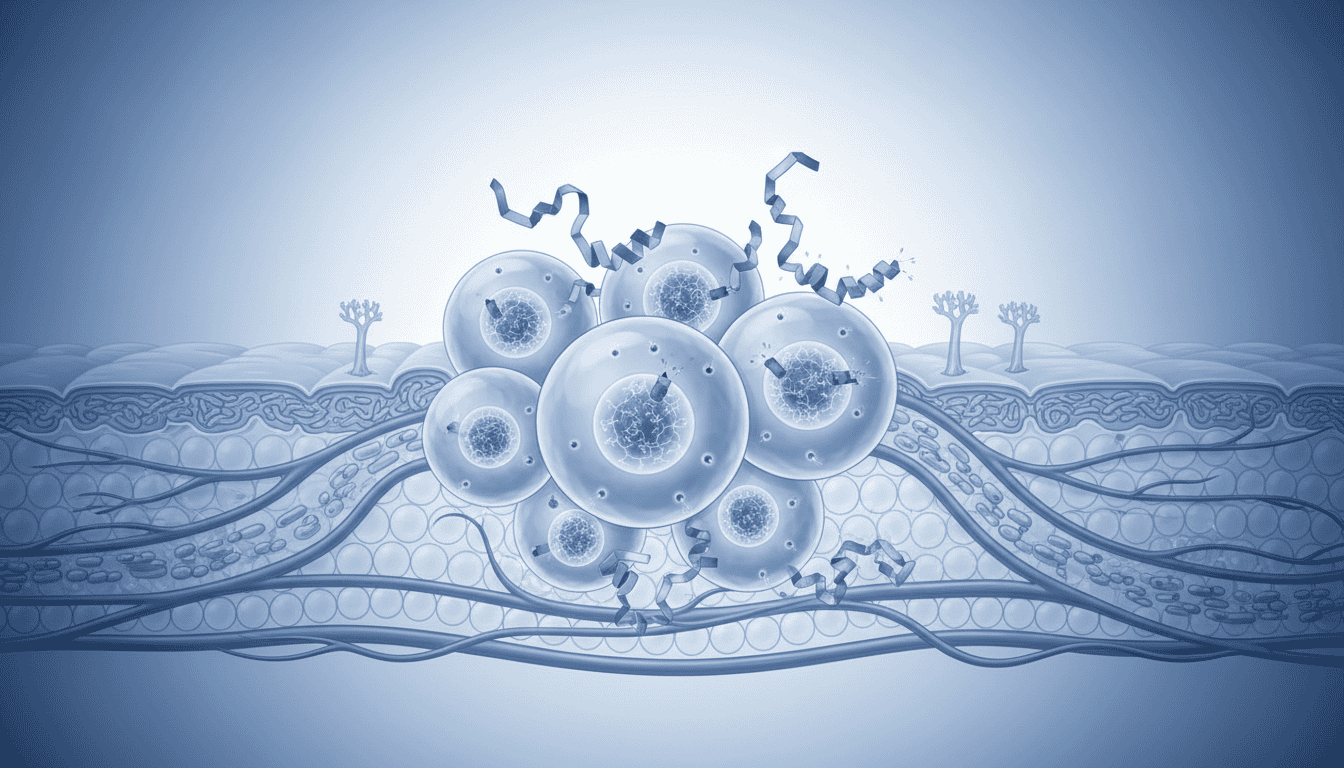
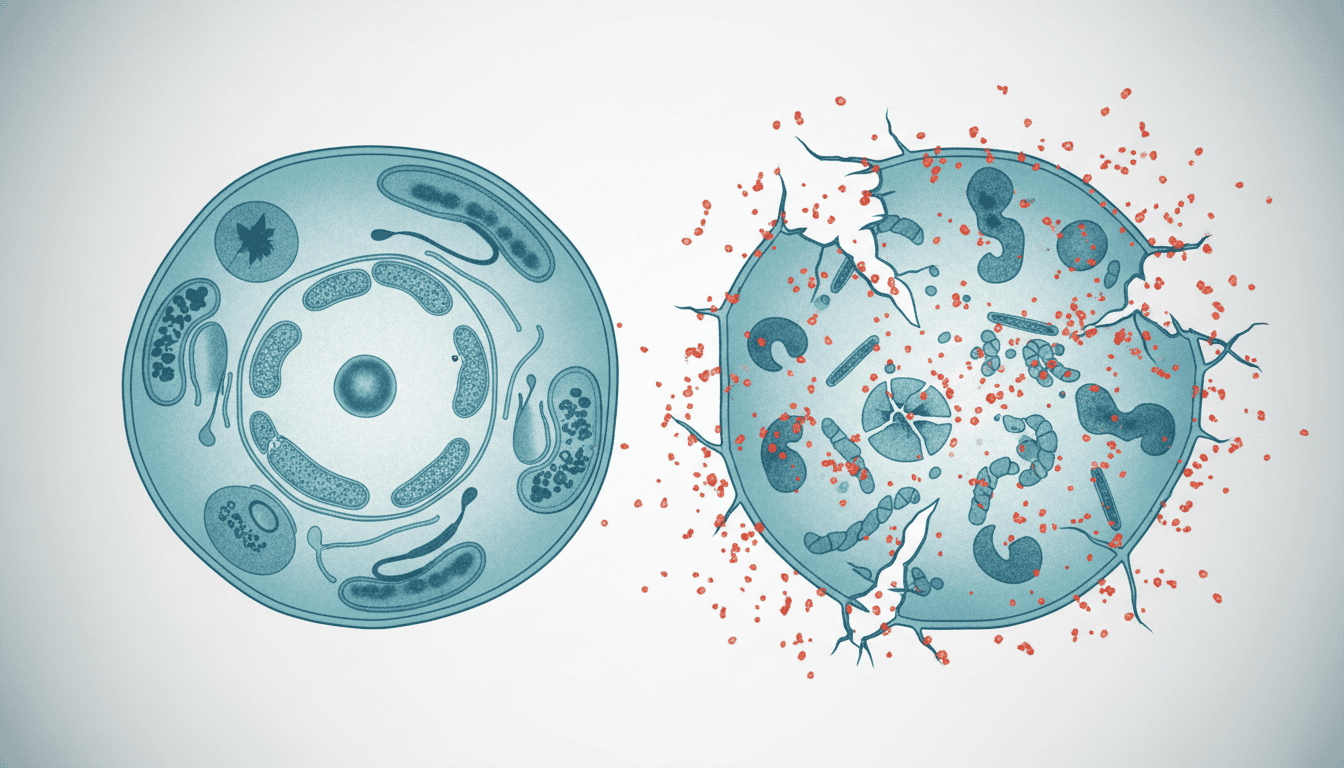
UVB radiation packs enough energy to split water molecules in your cells, creating highly reactive oxygen species. These molecular fragments act like cellular vandals, grabbing electrons from whatever they encounter first. Cell membranes bear the brunt of this attack.
The lipids that form cellular membranes contain double bonds that make perfect targets for oxidative damage. When reactive oxygen species steal electrons from these lipids, they trigger lipid peroxidation. This process spreads like wildfire through membrane structures, leaving behind aldehydes and other toxic breakdown products.
Proteins don’t escape unscathed either. UV-generated oxidants can modify amino acid side chains, particularly those containing sulphur or aromatic rings. These protein modifications can alter enzyme function, disrupt cellular signalling, and interfere with basic cellular maintenance processes.
What the research shows
Studies measuring biomarkers of oxidative damage reveal a clear pattern. When researchers expose skin samples to controlled UVB doses, they find higher levels of lipid peroxidation products in tissue from individuals with obesity compared to lean individuals.
The protein damage follows the same trend. Researchers measure specific markers like protein carbonyls and advanced oxidation protein products. Both increase more dramatically in response to UV exposure when samples come from people carrying excess adipose tissue.
Laboratory studies using cell cultures help explain the mechanism. When researchers add inflammatory molecules typically elevated in obesity to skin cells, then expose them to UVB, the oxidative damage amplifies significantly. The cells show reduced antioxidant enzyme activity and higher production of reactive oxygen species compared to unexposed controls.
Animal studies confirm these cellular observations. Obese mice subjected to UV exposure develop more severe skin damage and show higher systemic markers of oxidative stress than their lean counterparts receiving identical UV doses.
Why cells need protection mechanisms
Evolution equipped cells with sophisticated antioxidant defence systems for good reason. Without these protections, the oxidative damage from normal metabolism alone would kill cells within hours. UV radiation represents an additional oxidative burden that can overwhelm these natural defences.
Healthy cells maintain a careful balance between oxidant production and antioxidant capacity. Enzymes like catalase and superoxide dismutase neutralise reactive oxygen species before they can cause damage. Molecules like glutathione act as sacrificial targets, absorbing oxidative hits meant for essential cellular components.
This protective system relies on constant maintenance and renewal. Cells must continually synthesise new antioxidant molecules and repair oxidative damage to proteins and lipids. When this repair capacity gets overwhelmed, damage accumulates and cellular function deteriorates.
What affects UV damage susceptibility
Obesity creates a perfect storm for amplified oxidative damage. Excess adipose tissue produces inflammatory molecules called cytokines that circulate throughout the body. These inflammatory signals reduce cellular antioxidant capacity while simultaneously increasing baseline oxidative stress.
Age compounds the problem. Older individuals typically have reduced antioxidant enzyme activity and slower cellular repair processes. When combined with obesity-related inflammation, this creates heightened vulnerability to UV-induced damage.
Diet plays a crucial role in cellular antioxidant status. People consuming diets rich in processed foods and low in antioxidant compounds enter UV exposure with already compromised cellular defences. Conversely, diets high in polyphenols and other plant antioxidants help maintain cellular protective capacity.
Physical fitness influences the equation too. Regular exercise upregulates antioxidant enzyme production and improves cellular repair mechanisms. This creates some protection against oxidative insults, even in the presence of excess body weight.
What remains unknown
Scientists still don’t fully understand why some individuals with obesity show more dramatic increases in UV susceptibility than others. Genetic variations in antioxidant enzyme production likely play a role, but researchers haven’t mapped these relationships completely.
The timing question puzzles researchers too. Does the amplified damage occur immediately during UV exposure, or does obesity-related inflammation interfere with post-exposure repair processes? Current evidence suggests both mechanisms contribute, but their relative importance remains unclear.
Long-term consequences of this amplified cellular damage need more investigation. While researchers can measure immediate increases in oxidative damage markers, tracking how this translates to cellular dysfunction over months and years requires longer studies.
The reversibility question also lacks clear answers. When people lose significant weight, do their cells regain normal UV damage responses? Some studies suggest improvement, but the timeline and extent of recovery vary widely between individuals.
This research reveals how metabolic health and environmental stressors interact at the cellular level. The same UV exposure that causes manageable oxidative stress in metabolically healthy individuals can overwhelm cellular defences when inflammation and compromised antioxidant systems are already present. Understanding these interactions helps explain why cellular resilience depends on the complex interplay between our internal biochemistry and external environment.

Matt Elliott is the editor of Redox News Today, an independent publication covering peer-reviewed research on cellular health, redox signalling, and related biomedical science.