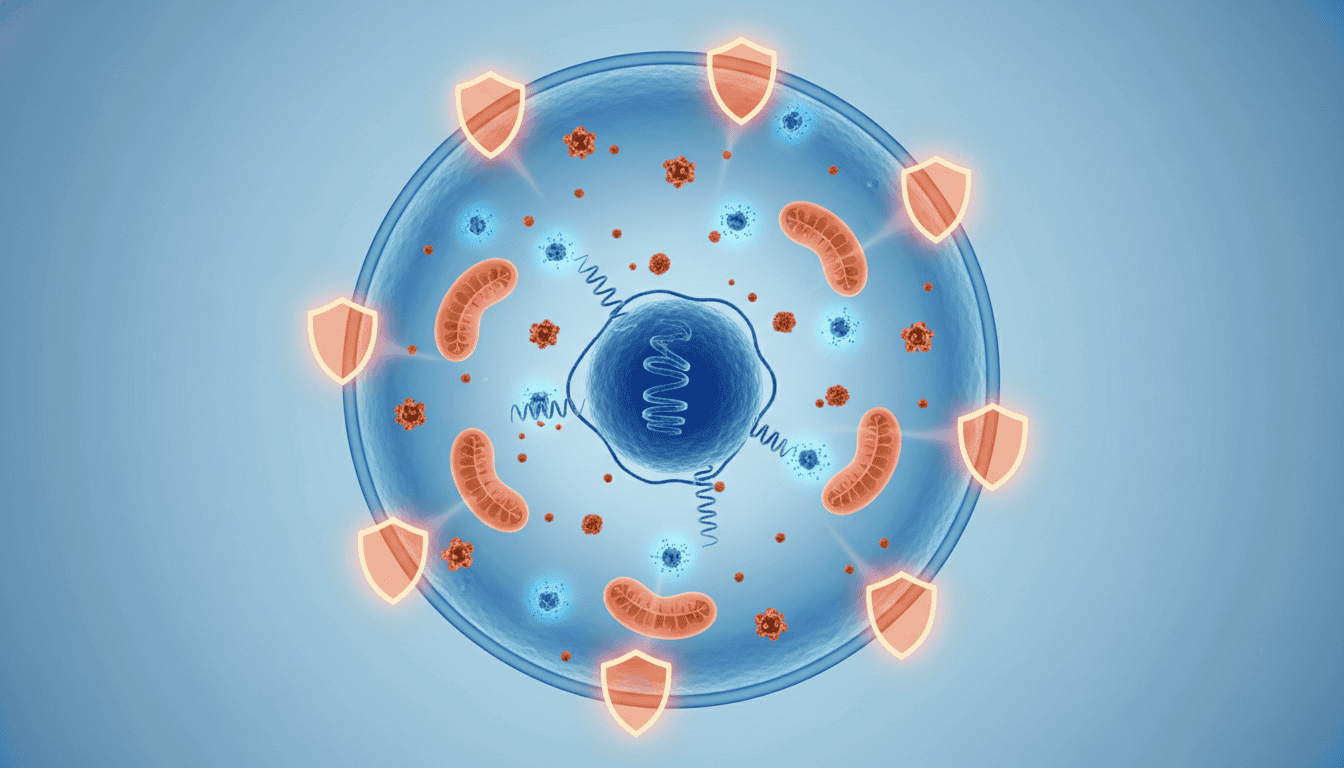

Your cells are running a 24-hour repair shop, and sleep is when the night shift takes over. Miss too much sleep, and the damage starts piling up faster than your cells can fix it. The result? Oxidative stress tears holes in your DNA while your cellular maintenance crews struggle to keep up.
What is oxidative DNA damage
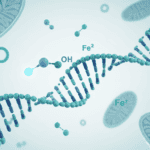
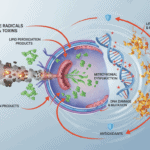
DNA damage happens thousands of times per day in every cell. Free radicals – unstable molecules missing an electron – steal electrons from DNA bases, creating lesions that can corrupt genetic information. Think of it like rust forming on metal, except this rust forms on the instruction manual that keeps your cells alive.
Your cells have sophisticated repair systems to fix this damage. Base excision repair snips out damaged DNA segments and patches them with fresh nucleotides. Homologous recombination repairs double-strand breaks using the intact chromosome as a template. When these systems work properly, most DNA damage disappears before it can cause problems.
But repair takes energy, coordination, and time. The process requires dozens of enzymes working in sequence, plus raw materials like nucleotides and cofactors. Sleep disruption throws this entire system off balance.
What the research shows
Studies tracking sleep-deprived volunteers reveal a clear pattern. After just one night of poor sleep, markers of oxidative DNA damage increase significantly in blood and urine samples. The damage gets worse with each additional night of disrupted sleep.
Sleep restriction experiments show that people getting four hours of sleep per night for a week accumulate twice as much DNA damage as those getting eight hours. The damage appears in multiple cell types – immune cells, skin cells, and neurons all show increased oxidative lesions.
Shift workers provide real-world evidence of this process. Night shift employees show consistently higher levels of DNA damage markers compared to day workers. The longer someone works night shifts, the more damage accumulates in their cells.
Animal studies reveal the mechanism more clearly. Sleep-deprived mice produce more reactive oxygen species while simultaneously reducing activity of DNA repair enzymes. It’s a double hit – more damage creation plus less damage repair.
Why cells need this repair cycle
Evolution built our repair systems around circadian rhythms for good reason. DNA repair requires enormous energy investment – up to 20% of a cell’s total energy budget goes toward maintaining genetic integrity. Trying to run intensive repair processes while also handling daytime metabolic demands would overwhelm cellular resources.
Sleep provides the perfect window for intensive maintenance. Metabolic activity drops, freeing up energy for repair work. Growth hormone and other repair-promoting signals peak during deep sleep phases. Meanwhile, the production of reactive oxygen species decreases as metabolic rate slows down.
Many DNA repair enzymes show strong circadian patterns, ramping up activity during normal sleep hours. This timing ensures maximum repair capacity when cells have the energy and molecular resources to support it. Disrupting this schedule leaves cells trying to repair DNA damage with inadequate tools and energy.
What affects sleep-related DNA repair
Sleep duration matters, but sleep quality proves equally important. People who spend adequate time in bed but experience frequent awakenings still show elevated DNA damage. Deep sleep stages appear particularly crucial for effective repair processes.
Age amplifies the problem significantly. Older adults naturally produce more oxidative damage while their repair systems become less efficient. Poor sleep accelerates this decline, creating a downward spiral where damaged cells become even more vulnerable to future sleep disruption.
Light exposure during sleep blocks the hormonal signals that coordinate repair processes. Even dim light from electronic devices can disrupt the circadian clock genes that control DNA repair enzyme production. Temperature also plays a role – rooms that are too warm prevent the core body temperature drop that signals cellular repair systems to activate.
Certain medications and substances interfere with sleep-related repair. Alcohol fragments sleep architecture, reducing time spent in the deep sleep phases when repair peaks. Some blood pressure medications and antidepressants can also disrupt the normal circadian cycling of repair enzymes.
What remains unknown
Scientists still debate which sleep stages contribute most to DNA repair. While deep sleep appears critical, REM sleep may also play important roles that researchers are only beginning to understand. The interaction between different sleep phases and specific repair pathways needs more investigation.
The long-term consequences of accumulated DNA damage from poor sleep remain unclear. Some damage likely contributes to cellular ageing and disease risk, but how much sleep loss is required to cause permanent problems? The threshold probably varies between individuals based on genetic factors and overall health status.
Individual variation in sleep needs and repair capacity poses another puzzle. Some people seem more resilient to sleep loss, maintaining better DNA repair despite disrupted sleep. Understanding these differences could reveal new targets for protecting cellular health in people who must work irregular schedules.
Sleep isn’t just downtime – it’s when your cells perform their most intensive maintenance work. The research reveals sleep as an active biological process where DNA repair systems work overtime to fix the daily accumulation of genetic damage. This perspective reframes sleep from a luxury into a biological necessity, as fundamental to cellular health as food or water. Understanding this connection helps explain why chronic sleep loss accelerates so many age-related health problems.

Matt Elliott is the editor of Redox News Today, an independent publication covering peer-reviewed research on cellular health, redox signalling, and related biomedical science.