
Your liver processes everything from morning coffee to evening wine, but when cirrhosis sets in, this vital organ becomes a battlefield of inflammation and scarring. Now researchers are testing an unlikely ally in this fight: nanoparticles made from saffron, the world’s most expensive spice.
What are saffron-derived nanoparticles
Saffron contains powerful antioxidant compounds called carotenoids, particularly crocin and crocetin. These molecules give the spice its distinctive golden colour and have caught scientists’ attention for their cellular protective properties.
But here’s the challenge: these compounds struggle to reach damaged liver cells effectively when taken in their natural form. Scientists have solved this by engineering nanoparticles – microscopic delivery vehicles roughly 1000 times smaller than the width of a human hair. These particles can carry saffron’s active compounds directly to where they’re needed most.
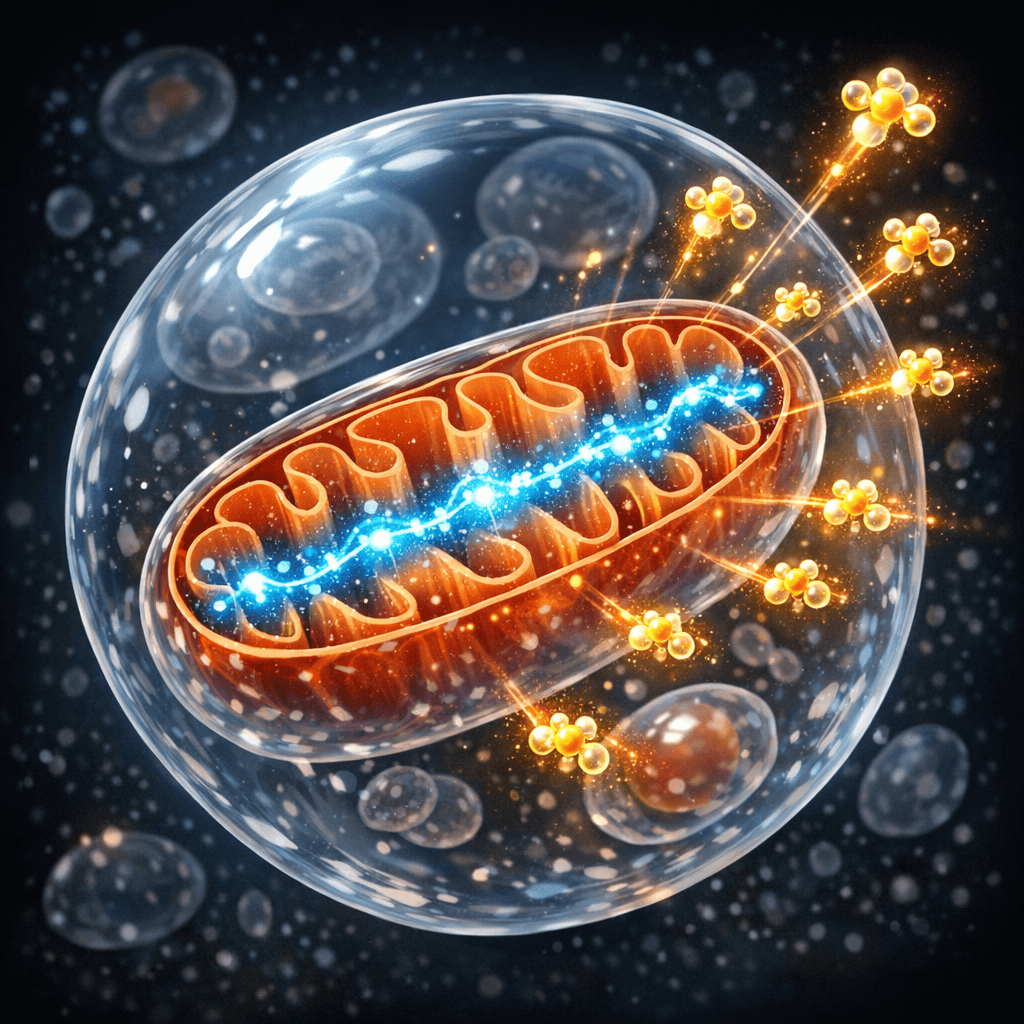
The nanoparticles work like molecular submarines. They navigate through blood vessels, slip past cellular barriers, and deliver their cargo of antioxidants precisely where liver damage is occurring. This targeted approach means the therapeutic compounds can accumulate in diseased tissue rather than dispersing throughout the entire body.
What the research shows
Laboratory studies reveal these saffron nanoparticles demonstrate significant antioxidant activity in models of liver cirrhosis. When researchers expose liver cells to the kind of oxidative stress that drives cirrhosis progression, the nanoparticles reduce cellular damage markers by measurable amounts.
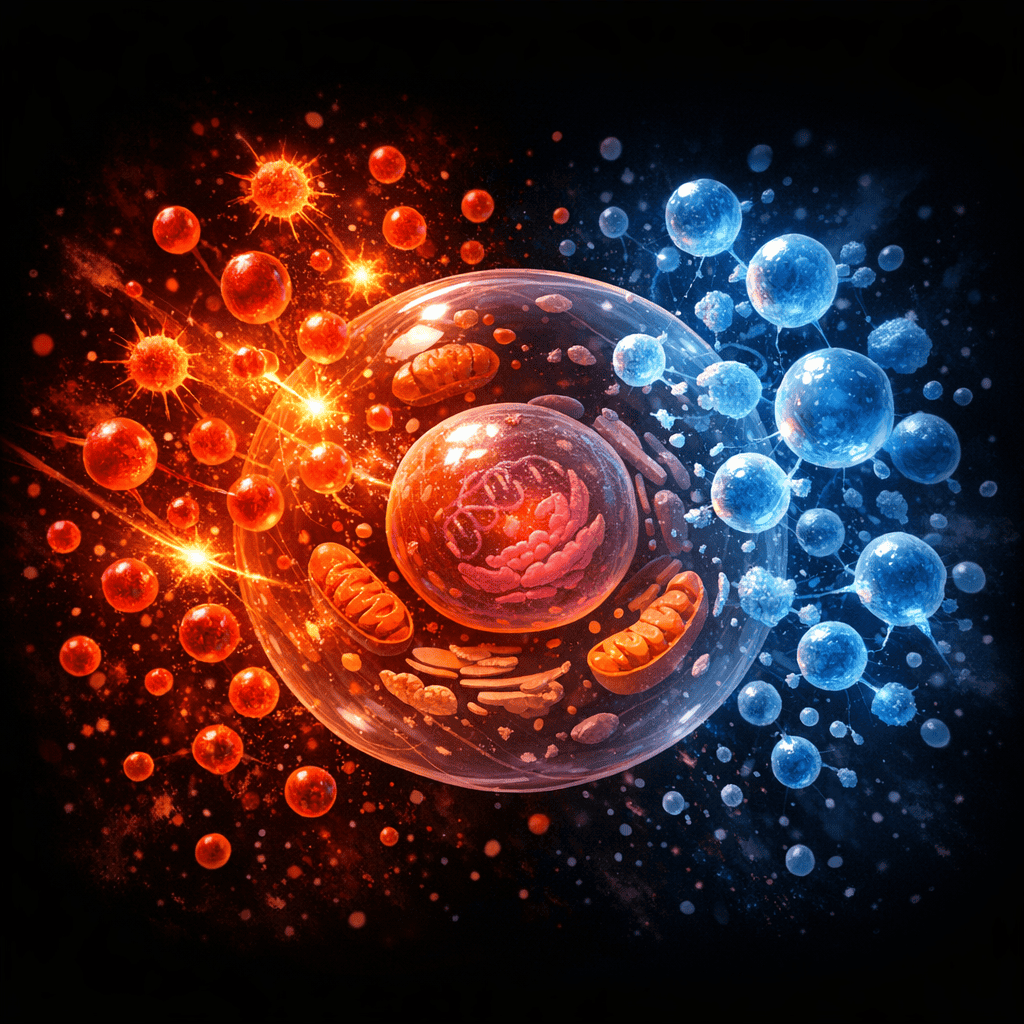
The particles appear to work through multiple pathways. They directly neutralise free radicals – those unstable molecules that damage cellular components. They also boost the liver’s own antioxidant defence systems, essentially teaching cells to better protect themselves.
Researchers observed reduced inflammation markers and less collagen deposition in treated samples. Collagen buildup is what creates the scar tissue that characterises cirrhosis, so reducing this process could theoretically slow disease progression. The nanoparticles also helped maintain cellular energy production, which typically becomes impaired as liver damage advances.
Perhaps most intriguingly, the engineered particles showed superior performance compared to free saffron compounds. This suggests the delivery method matters as much as the therapeutic payload.
Why cells need this protection
Liver cirrhosis creates a vicious cycle of cellular damage. As liver cells die from various insults – alcohol, viral infections, fatty deposits – the organ attempts to repair itself. But chronic damage overwhelms these repair mechanisms.
Oxidative stress sits at the heart of this process. When cells can’t neutralise free radicals fast enough, these reactive molecules attack cellular membranes, proteins, and DNA. This triggers inflammatory responses that, while initially protective, become destructive when they persist.
The liver’s stellate cells, normally quiet support players, transform into collagen-producing factories. They’re trying to patch the damage, but their excessive scarring eventually blocks blood flow and disrupts the organ’s architecture. Once this scarring process gains momentum, it becomes self-perpetuating.
Antioxidants could theoretically break this cycle by reducing the oxidative damage that triggers inflammation and scarring. But the liver’s complex structure and blood supply make it challenging for therapeutic compounds to reach the right cells at effective concentrations.
What affects antioxidant nanoparticle effectiveness
Size matters tremendously in nanoparticle design. Particles too large get filtered out by the liver and spleen before reaching their target. Too small, and they’re rapidly cleared by the kidneys. Researchers must engineer particles in a narrow size range – typically between 10 and 100 nanometres – to achieve optimal tissue distribution.
Surface chemistry determines how long nanoparticles survive in the bloodstream. The body’s immune system recognises foreign particles and marks them for removal. Scientists coat particles with special polymers that help them evade immune detection, extending their circulation time.
The severity of liver damage also affects particle uptake. Cirrhotic livers have altered blood flow patterns and increased vascular permeability, which can actually enhance nanoparticle accumulation in some cases. However, advanced scarring might block particle penetration into tissue.
Storage and formulation present additional challenges. Nanoparticles can clump together over time, losing their size advantage. Researchers must develop stable formulations that maintain particle properties during storage and after injection.
What remains unknown
Scientists still don’t fully understand how these nanoparticles interact with different cell types in the diseased liver. The organ contains hepatocytes, immune cells, blood vessel cells, and those collagen-producing stellate cells, each potentially responding differently to treatment.
Long-term safety questions persist. While saffron compounds have a long history of culinary use, their behaviour when concentrated in nanoparticle form and delivered directly to tissues remains largely unstudied. Researchers need to understand how the body eventually eliminates these particles and whether repeated dosing causes accumulation.
The optimal timing for treatment remains unclear. Would these particles work best in early liver damage, when scarring is minimal? Or might they prove more effective in advanced disease, where conventional treatments often fail? The relationship between disease stage and treatment response needs systematic investigation.
Researchers also don’t know whether saffron nanoparticles would work alone or require combination with other therapies. The complexity of cirrhosis suggests that targeting oxidative stress alone might not be sufficient to halt or reverse disease progression.
This research represents a broader shift towards precision medicine approaches that combine ancient compounds with modern delivery technologies. As scientists better understand how to engineer nanoparticles for specific organs and diseases, we’re likely to see more examples of traditional medicines being reimagined through nanotechnology. The liver, with its central role in processing everything we consume, offers a particularly compelling target for these sophisticated delivery systems.

Matt Elliott is the editor of Redox News Today, an independent publication covering peer-reviewed research on cellular health, redox signalling, and related biomedical science.