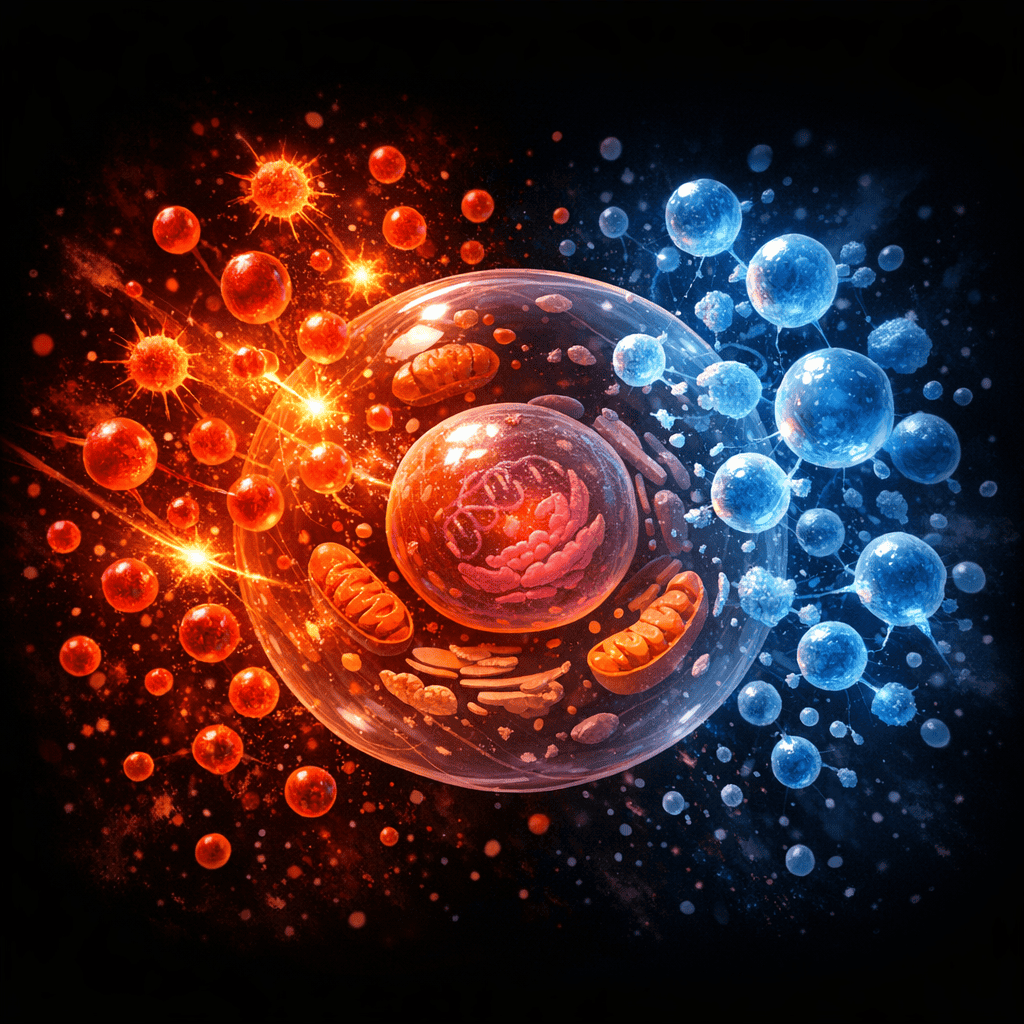

A normal cell receives about 10,000 different signals every second. These molecular messages tell it when to grow, when to stop, when to repair damage, and when to die. Cancer begins when cells stop listening to these conversations properly.
What is cellular signalling
Think of cellular signalling like a bustling city’s communication network. Cells constantly send and receive chemical messages through proteins, hormones, and other molecules. Growth factors tell cells to divide. Tumour suppressor proteins act like stop signs. DNA repair signals sound alarms when genetic damage occurs.
These signals travel specific pathways. A growth signal might start at the cell surface, pass through several protein intermediates, and end up in the nucleus where it switches on genes. Each step in the pathway can amplify, modify, or block the original message. The system works because healthy cells follow the rules.
Receptor proteins on the cell surface act like molecular doormen, deciding which signals get through. Inside the cell, cascades of proteins pass messages along like a game of telephone. When everything works properly, cells grow when they should, stay put where they belong, and die when their time comes.
What the research shows
Cancer researchers have mapped dozens of signalling pathways that go wrong in tumours. The p53 pathway, found mutated in over half of all cancers, normally forces damaged cells to commit suicide. When p53 stops working, cells with broken DNA keep dividing instead of dying.
Growth factor pathways become hyperactive in cancer. Cells start producing their own growth signals instead of waiting for external cues. It’s like a car with a stuck accelerator pedal. Studies show that cancer cells often make 10 to 100 times more growth factor receptors than normal cells.
Contact inhibition signals break down too. Healthy cells stop dividing when they touch their neighbours. Cancer cells ignore these “personal space” messages and pile up into tumours. They also stop responding to signals that normally keep cells anchored in their home tissues.
Researchers have identified over 300 genes that drive cancer when mutated. Most encode proteins involved in cellular communication. The pattern is clear: cancer is fundamentally a disease of broken cellular conversations.
Why cells need this
Multicellular life depends on cellular cooperation. Your liver cells need to know when to make more enzymes. Your skin cells must coordinate to heal wounds. Your immune cells have to distinguish friend from foe. Without reliable communication, tissues would collapse into chaos.
Cell division requires exquisite timing. Cells must replicate their DNA completely, check for errors, and divide everything equally between daughter cells. Checkpoint signals pause the process if something goes wrong. This quality control prevents cells from passing on damaged genetic information.
Programmed cell death removes about 50 billion cells from your body daily. Old cells, damaged cells, and cells in the wrong place all receive death signals. This constant turnover keeps tissues healthy and prevents abnormal cells from accumulating. Cancer emerges when cells evolve ways to ignore or block these death messages.
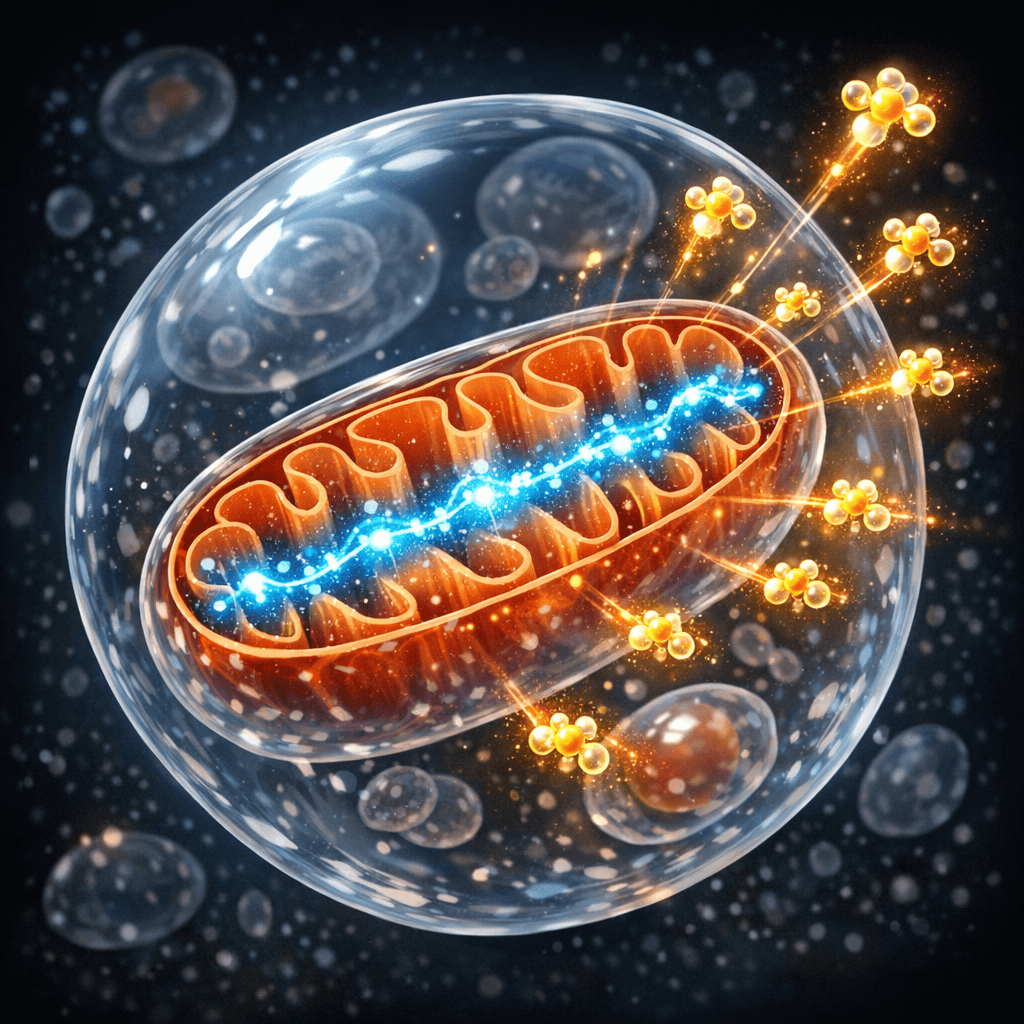
The signalling networks also coordinate metabolism, DNA repair, and stress responses. Cells facing oxidative damage send distress signals that activate protective genes. Starving cells communicate their metabolic state to adjust growth accordingly. This constant chatter maintains cellular health across changing conditions.
What affects cellular signalling
Age gradually degrades cellular communication systems. Proteins accumulate damage over decades. DNA repair becomes less efficient. Cells produce more inflammatory signals and fewer growth factors. This background noise makes it harder for cells to interpret messages correctly.
Environmental toxins directly damage signalling proteins. Cigarette smoke contains over 70 chemicals that bind to and modify cellular proteins. UV radiation creates DNA lesions that can disrupt gene expression. Heavy metals interfere with enzyme function in signalling cascades.
Chronic inflammation floods tissues with stress signals. Inflammatory molecules like TNF-alpha and interleukins can promote cancer by stimulating cell division and blocking death signals. Research shows that people with chronic inflammatory conditions face higher cancer risks.
Hormones powerfully influence cellular signalling. Oestrogen drives breast and endometrial cancers by overstimulating growth pathways. Insulin promotes cell division, which may explain links between diabetes and cancer. Growth hormone levels affect how cells respond to other signals.
Viral infections can hijack cellular communication. Human papillomavirus produces proteins that disable p53 and other tumour suppressors. Hepatitis B virus integrates into cellular DNA and disrupts normal gene regulation. About 15% of cancers worldwide stem from infectious agents.
What remains unknown
Scientists still struggle to predict which signalling mutations will cause cancer. Cells carry thousands of mutations, but only a few drive tumour formation. Understanding why some genetic changes matter more than others remains a major challenge.
The timing of mutations puzzles researchers too. Some people carry cancer-causing mutations for decades without developing tumours. Others progress rapidly from normal cells to aggressive cancer. The factors that determine this timing aren’t fully understood.
Cancer cells continue evolving throughout disease progression. They acquire new signalling defects that help them resist treatment, invade tissues, and metastasise. Tracking these changes in real time remains technically challenging, though new sequencing methods offer hope.
Researchers are also investigating how cancer cells communicate with their surroundings. Tumours recruit blood vessels, suppress immune responses, and modify surrounding tissues. Understanding this cellular diplomacy could reveal new treatment approaches.
The role of cellular signalling in cancer resistance mechanisms remains poorly understood. Cancer cells develop ways to pump out drugs, repair treatment damage, and activate survival pathways. Decoding these resistance signals represents a major research frontier.
Cancer research increasingly reveals how cellular communication shapes disease progression. Every breakthrough in understanding these molecular conversations brings new insights into why cells turn malignant and how they might be stopped. The complexity is daunting, but so is the potential for more precise interventions that target the specific signalling defects driving each individual cancer.

Matt Elliott is the editor of Redox News Today, an independent publication covering peer-reviewed research on cellular health, redox signalling, and related biomedical science.