Your cells are roughly 70% water, yet most of us barely think about hydration beyond feeling thirsty. But here’s what’s happening at the molecular level when water runs short: proteins start folding incorrectly, cellular transport systems jam up, and the delicate chemistry keeping you alive begins to misfire. Even mild dehydration triggers a cascade of cellular stress responses that researchers are only beginning to understand.
What is cellular hydration
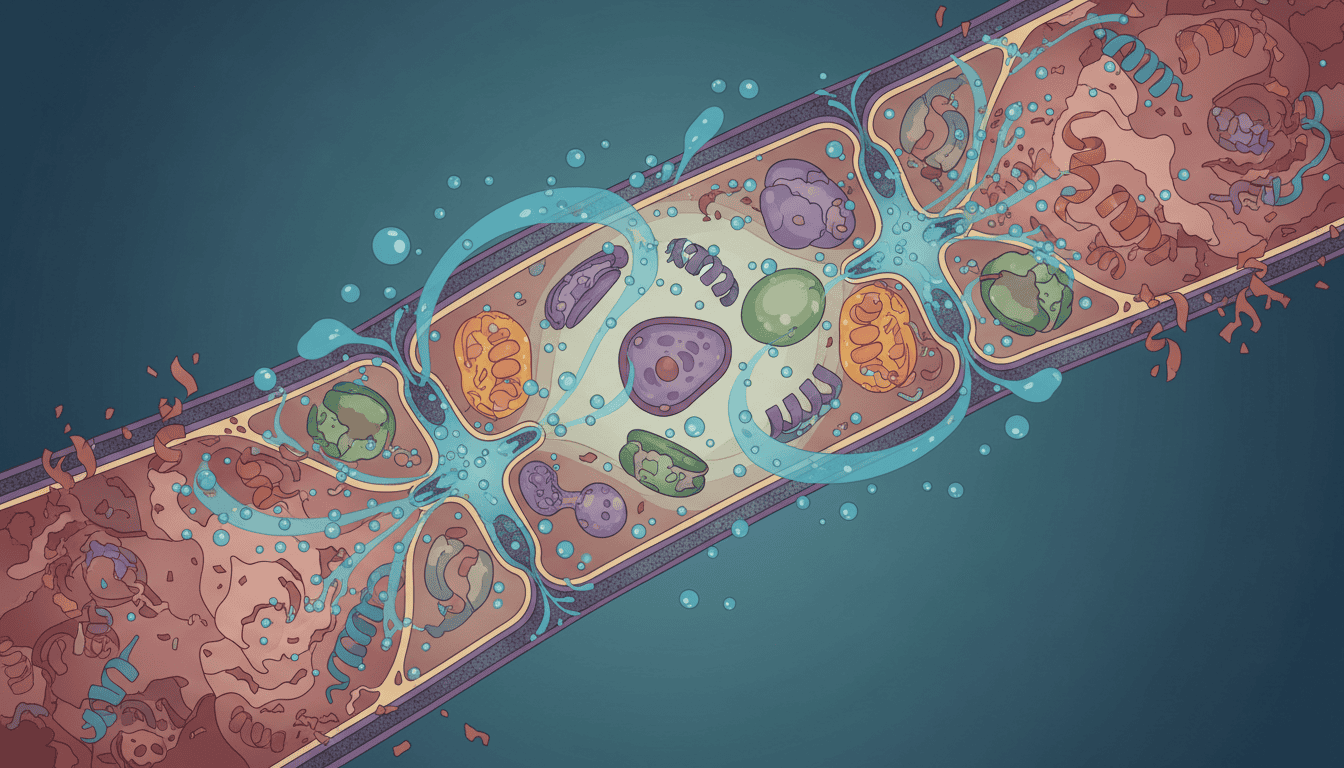
Water isn’t just filling space inside your cells. It’s the medium where virtually every biological reaction takes place. Think of cellular water as a three-dimensional transport network, carrying nutrients in and waste out, while maintaining the precise shape of proteins and enzymes.
Each cell maintains its water balance through sophisticated pumps and channels in its membrane. These molecular gatekeepers control what flows in and out, creating the right internal environment for cellular processes. When this balance shifts, even slightly, the consequences ripple through every aspect of cell function.
The cytoplasm inside cells isn’t just watery soup. Water molecules form structured layers around proteins, helping them maintain their functional shapes. This organised water participates directly in chemical reactions, particularly those involving enzymes that drive metabolism.
What the research shows
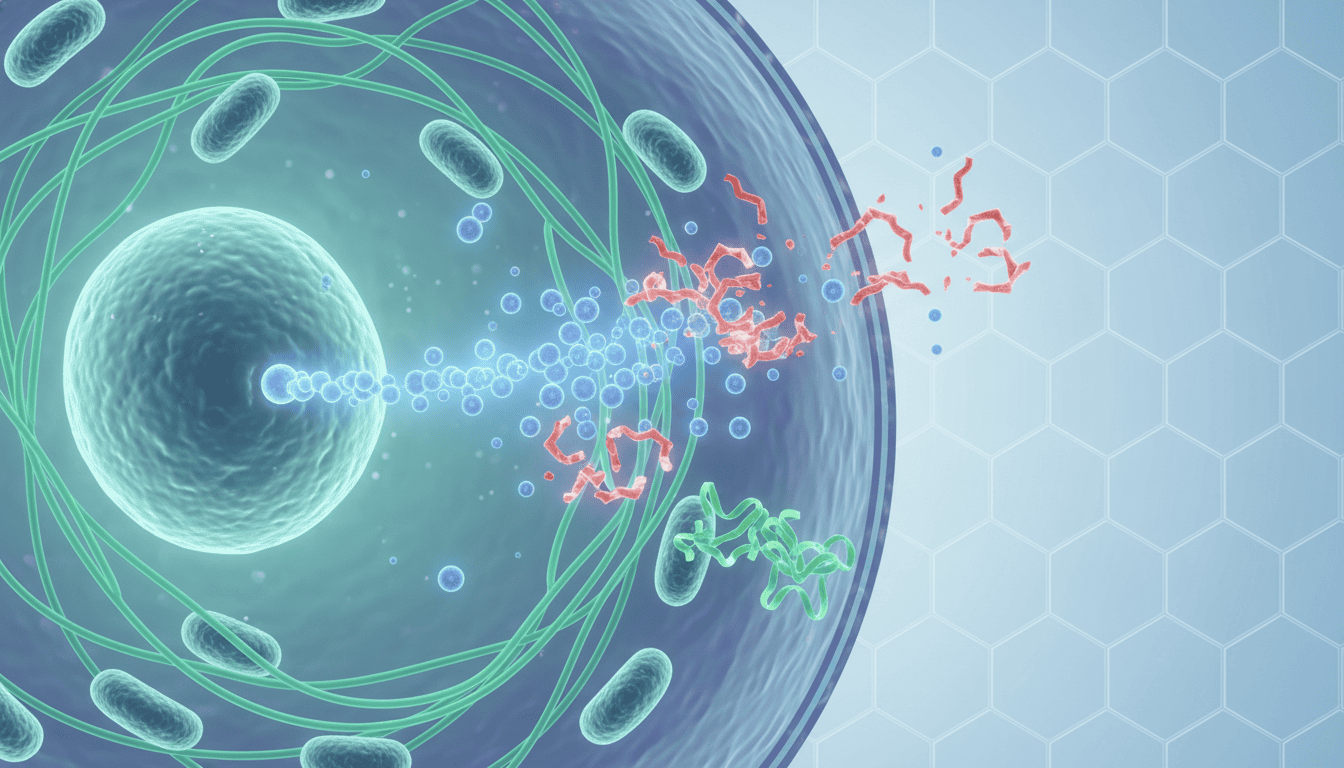
Studies reveal that cellular dehydration happens faster and has more immediate effects than scientists previously thought. Within minutes of water loss, cells begin producing heat shock proteins, the same stress response triggered by dangerous temperatures or toxic chemicals.
Researchers have observed that dehydrated cells struggle with energy production. Mitochondria, the cellular powerhouses, need adequate water for the chemical reactions that generate ATP. When water levels drop, ATP production becomes less efficient, leaving cells with inadequate energy reserves.
Laboratory experiments show that even moderate dehydration affects DNA repair mechanisms. Cells become less capable of fixing the routine damage that occurs to genetic material throughout the day. This creates a backlog of cellular maintenance that can accumulate over time.
Brain cells appear particularly sensitive to water loss. Neuronal function depends on precise electrical signalling, which relies on the movement of ions through water-based channels. Dehydration disrupts these signals, affecting everything from concentration to coordination.
Why cells need this
Water serves as the universal solvent for life, but its role goes far beyond simply dissolving things. Chemical reactions in cells often involve water molecules directly, either as reactants or products. Without adequate hydration, these reactions slow down or stop entirely.
Cellular transport depends on water gradients. Nutrients move into cells and waste products move out through processes that require specific water concentrations on both sides of cell membranes. When hydration drops, this transport system becomes sluggish.
Temperature regulation happens at the cellular level through water’s high heat capacity. Cells use water to absorb and dissipate heat generated by metabolic processes. Dehydrated cells become more vulnerable to heat damage from their own chemical reactions.
Protein folding requires water molecules to form the right three-dimensional shapes. Proteins that fold incorrectly lose their function and may even become toxic to cells. Proper hydration helps maintain the cellular quality control systems that prevent protein misfolding.
What affects cellular hydration
Age changes how cells manage water. Older cells become less efficient at maintaining proper hydration levels, partly because the membrane pumps and channels that control water flow become less responsive. This makes older adults more vulnerable to the cellular effects of dehydration.
Physical activity increases cellular water demands dramatically. Exercising muscles need more water for increased metabolism and heat dissipation. But the effect extends beyond muscle cells to include neurons, kidney cells, and cardiovascular tissue working harder to support physical performance.
Environmental factors like heat, humidity, and altitude affect how quickly cells lose water. Air conditioning and heating systems create artificially dry environments that increase water loss through respiration. Even indoor air can trigger cellular dehydration responses.
Certain medications act as diuretics, affecting how kidneys manage water balance. This creates a systemic effect that reaches every cell in the body. Caffeine and alcohol also influence cellular hydration through their effects on hormone signalling.
Sleep affects cellular water regulation through hormonal changes. During sleep, the body releases hormones that help cells retain and redistribute water. Poor sleep patterns can disrupt these natural hydration cycles.
What remains unknown
Scientists still don’t fully understand how cells prioritise water use during shortages. Do some cellular processes get water preferentially while others shut down? The hierarchy of cellular water allocation remains largely mysterious.
The long-term effects of repeated mild dehydration on cellular function need more research. Most studies focus on acute severe dehydration, but the cumulative impact of frequent low-level water deficits might be more relevant to everyday health.
Individual variation in cellular water needs puzzles researchers. Why do some people seem more resilient to dehydration while others show effects quickly? Genetic differences in membrane proteins and cellular pumps likely play a role, but the details remain unclear.
The relationship between cellular hydration and ageing presents intriguing questions. Does maintaining better cellular hydration slow age-related decline? Or do age-related changes make proper hydration harder to achieve? The causation could run in either direction.
How different cell types throughout the body coordinate their water needs during dehydration represents another frontier. Cells must be communicating about water status, but the signalling mechanisms involved are still being discovered.
This research reveals hydration as far more than a simple matter of drinking enough water. Cellular hydration involves complex molecular machinery that evolved over billions of years to maintain the precise conditions life requires. Understanding these mechanisms opens new perspectives on how our bodies respond to environmental challenges and why maintaining proper fluid balance remains one of biology’s most fundamental requirements.

Matt Elliott is the editor of Redox News Today, an independent publication covering peer-reviewed research on cellular health, redox signalling, and related biomedical science.