Your brain burns through about 20% of your body’s oxygen despite weighing just 2% of your total mass. This metabolic intensity creates a problem: all that oxygen consumption generates reactive molecules that can damage cellular machinery. Brain cells handle this challenge with an ancient defence system called NRF2, which acts like a smoke detector that doesn’t just sound an alarm but actually calls the fire brigade.
What is NRF2
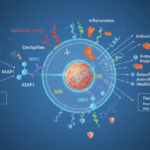
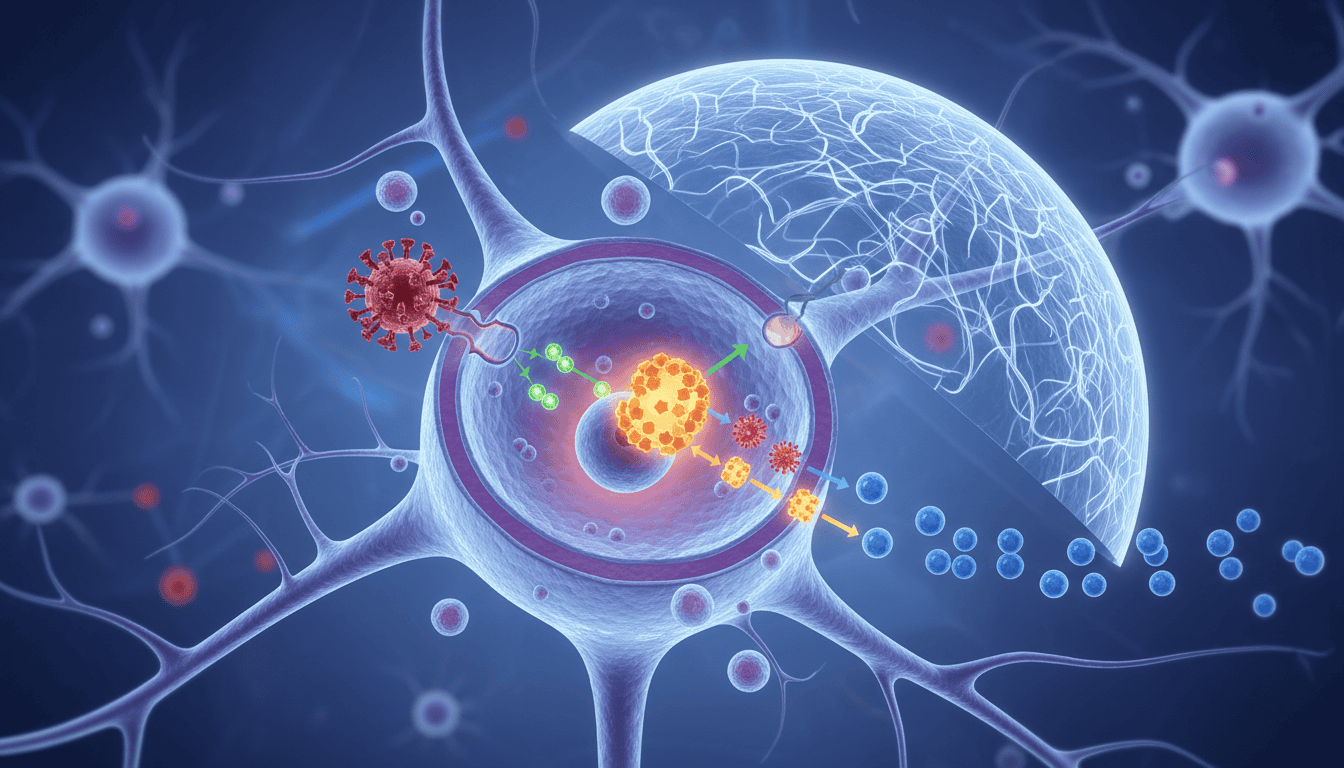
NRF2 stands for nuclear factor erythroid 2-related factor 2, a protein that functions as a master regulator of cellular protection. Under normal conditions, NRF2 sits quietly in the cytoplasm, bound to another protein called KEAP1 that keeps it inactive and marks it for destruction.
When cells detect oxidative stress, this partnership breaks down. KEAP1 contains sensitive cysteine residues that react to oxidative molecules like a chemical tripwire. Once triggered, KEAP1 releases its grip on NRF2, allowing the protein to migrate into the cell nucleus where it binds to DNA sequences called antioxidant response elements.
Think of NRF2 as a factory foreman responding to an emergency. It doesn’t just activate one or two protective systems but coordinates the production of over 200 different proteins involved in cellular defence. These include antioxidant enzymes, detoxification proteins, and molecules that repair damaged cellular components.
What the research shows
Studies using brain tissue samples and laboratory models reveal that NRF2 activation varies dramatically across different brain regions. The hippocampus, which processes memory, shows particularly robust NRF2 responses compared to other areas. This makes biological sense given the high metabolic demands of memory formation and storage.
Research demonstrates that neurons with higher baseline NRF2 activity survive oxidative challenges better than those with lower levels. Scientists have observed this by exposing cultured brain cells to controlled amounts of oxidative stress and measuring cell survival rates. The correlation between NRF2 function and cellular resilience appears consistent across different experimental conditions.
Animal studies show that genetic variations affecting NRF2 function correlate with different outcomes following brain injuries. Mice with enhanced NRF2 activity show less tissue damage after strokes, while those with reduced NRF2 function experience more extensive cellular death. The timing matters too: NRF2 activation appears most protective when it occurs before or immediately after oxidative stress begins.
Researchers have also found that astrocytes, the star-shaped support cells in the brain, rely heavily on NRF2 signalling to maintain the blood-brain barrier. These cells use NRF2-regulated proteins to process toxins and maintain the chemical environment that neurons need to function properly.
Why cells need this
Brain cells face unique challenges that make robust antioxidant defences essential for survival. Neurons consume enormous amounts of energy relative to their size, generating oxidative byproducts as a natural consequence of cellular respiration. Unlike other cell types, most neurons cannot divide to replace themselves if they die from oxidative damage.
The brain’s high lipid content creates another vulnerability. Cell membranes rich in polyunsaturated fatty acids are particularly susceptible to oxidative damage, which can disrupt the electrical signalling that neurons depend on. NRF2 helps maintain membrane integrity by producing enzymes that neutralise lipid-damaging molecules before they cause irreversible harm.
Evolution appears to have fine-tuned the NRF2 system for brain-specific needs. The protein shows different activation patterns in neural tissue compared to other organs, suggesting specialised adaptations for protecting cognitive function. This makes sense from a survival perspective: an organism with damaged muscle cells might survive, but one with widespread brain damage cannot.
The system also provides a way for brain cells to adapt to changing conditions without permanent genetic modifications. By ramping NRF2 activity up or down based on current stress levels, cells can match their defensive capacity to their immediate needs while conserving energy when protection isn’t required.
What affects NRF2
Age significantly impacts NRF2 function in brain tissue. Studies show that both the baseline activity and stress-induced activation of NRF2 decline with advancing age. This reduction correlates with increased oxidative damage in older brain tissue and may partly explain why ageing increases vulnerability to neurodegenerative processes.
Physical exercise influences NRF2 activity in brain cells, though the mechanisms remain complex. Research indicates that moderate exercise can enhance NRF2 signalling, possibly through mild oxidative stress that acts as a cellular training stimulus. However, excessive exercise appears to overwhelm these protective responses.
Dietary compounds affect NRF2 function through direct molecular interactions. Sulforaphane from cruciferous vegetables and curcumin from turmeric can activate the pathway by interacting with KEAP1’s cysteine residues. Green tea compounds and certain polyphenols show similar effects, though the concentrations required for significant activation often exceed typical dietary intake levels.
Sleep patterns influence NRF2 activity in brain tissue. Research suggests that chronic sleep deprivation reduces NRF2 function, while adequate sleep supports normal antioxidant responses. The brain’s glymphatic system, which clears metabolic waste during sleep, may depend partly on NRF2-regulated processes.
Environmental toxins can either activate or suppress NRF2 depending on the dose and duration of exposure. Low-level exposure to certain chemicals may trigger protective NRF2 responses, while high concentrations can overwhelm the system and actually reduce its function.
What remains unknown
Scientists still don’t fully understand why NRF2 responses vary so dramatically between individuals. Genetic variations clearly play a role, but they don’t explain all the observed differences in NRF2 function. Researchers are investigating whether epigenetic factors or early-life exposures create lasting changes in the pathway’s responsiveness.
The relationship between NRF2 and brain ageing presents ongoing puzzles. While reduced NRF2 activity correlates with age-related brain changes, researchers haven’t determined whether this decline causes damage or results from it. The question has practical implications for understanding whether boosting NRF2 function could slow age-related cognitive changes.
The role of NRF2 in different types of brain cells remains incompletely mapped. While researchers know that neurons, astrocytes, and microglia all use NRF2 signalling, the specific functions and importance of the pathway in each cell type need further investigation. Understanding these differences could reveal new approaches for supporting brain health.
Perhaps most intriguingly, scientists are still working out how NRF2 activity in the brain connects to cognitive function. Does enhanced NRF2 signalling directly improve mental performance, or does it simply prevent decline? The distinction matters for understanding how cellular protection systems influence day-to-day brain function.
Research into NRF2 reveals how evolution has equipped brain cells with sophisticated molecular machinery to handle the oxidative challenges of high-energy metabolism. This system represents one piece of the larger puzzle of how cells maintain function despite constant chemical stress. Understanding these protective mechanisms helps explain why some brains age more successfully than others and points toward the fundamental importance of cellular resilience in maintaining cognitive health throughout life.

Matt Elliott is the editor of Redox News Today, an independent publication covering peer-reviewed research on cellular health, redox signalling, and related biomedical science.