Your cells encounter thousands of foreign chemicals every day. Exhaust fumes on the morning commute. Pesticide residues on vegetables. Cleaning products under the kitchen sink. Most people assume their liver handles these toxins, but the real action happens at a much smaller scale. Inside each cell, a protein called NRF2 acts like a molecular security system, detecting chemical threats and mounting an immediate defence.
What is NRF2
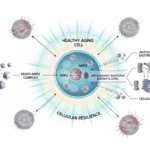
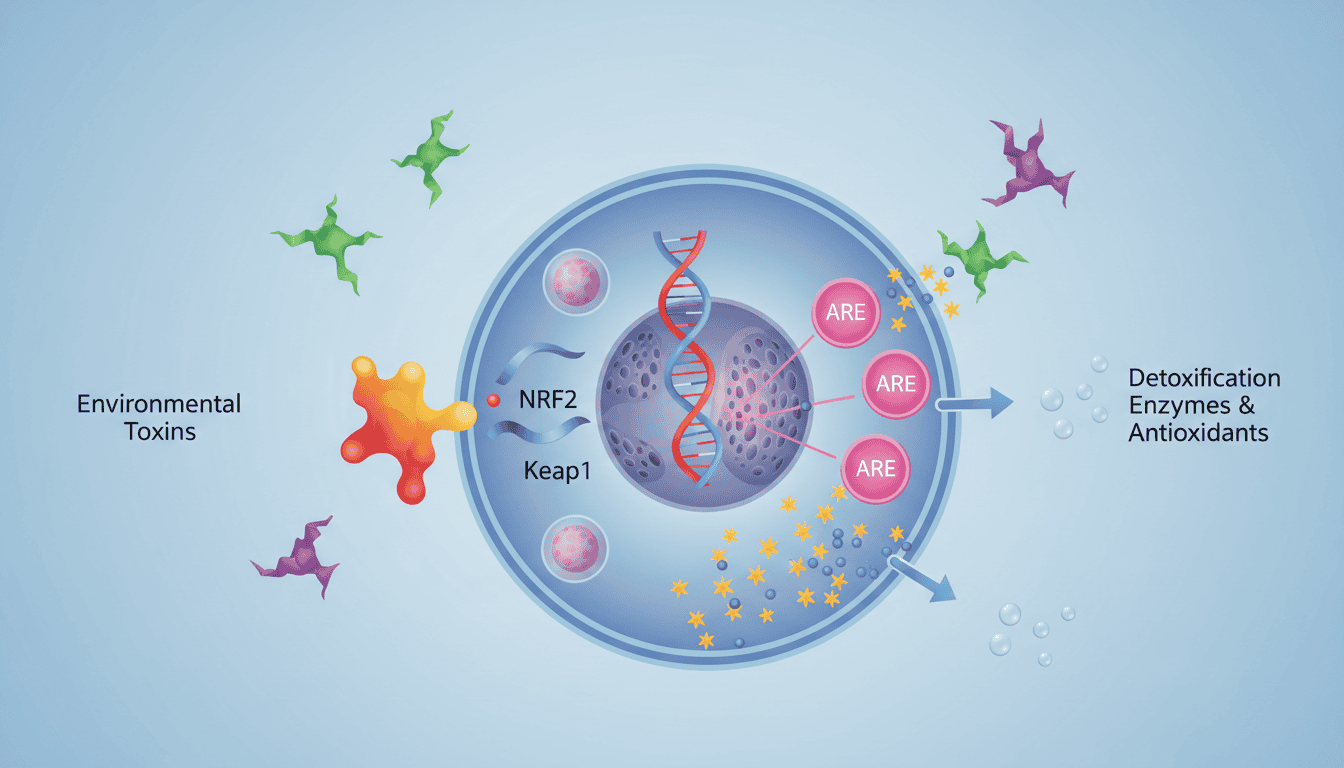
NRF2 stands for Nuclear factor erythroid 2-related factor 2, though the name tells you nothing useful about what it does. Think of it as a cellular alarm system with a very specific job. When cells detect environmental toxins, NRF2 moves from the cytoplasm into the nucleus and switches on protective genes.
Under normal conditions, NRF2 stays inactive, bound to a protein called KEAP1 that acts like a molecular anchor. But when toxins enter the cell, they trigger chemical changes that release NRF2 from this anchor. Free NRF2 rushes to the nucleus and activates what researchers call the antioxidant response element. This sounds technical, but the result is simple: the cell starts producing protective molecules at an accelerated rate.
The system works fast. Within minutes of toxin exposure, NRF2 can activate over 200 different genes involved in cellular defence. These genes produce enzymes that neutralise harmful chemicals, proteins that pump toxins out of cells, and molecules that repair oxidative damage.
What the research shows
Scientists have tested NRF2’s protective abilities against a wide range of environmental toxins. Laboratory studies show that cells with active NRF2 survive exposure to heavy metals like cadmium and mercury far better than cells where the system has been disabled.
Air pollution provides another clear example. Researchers exposed lung cells to particulate matter from diesel exhaust and found that NRF2 activation dramatically reduced cellular damage. The protected cells maintained normal function while unprotected cells showed signs of inflammation and oxidative stress.
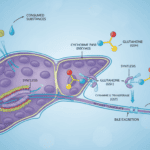
Pesticide exposure tells a similar story. When researchers treated liver cells with organophosphate pesticides, cells with functioning NRF2 systems produced higher levels of detoxification enzymes. These enzymes break down the pesticides before they can interfere with normal cellular processes.
Animal studies reveal the broader picture. Mice engineered to lack NRF2 show increased susceptibility to environmental toxins across multiple organ systems. Their lungs struggle with air pollutants, their livers process chemicals less efficiently, and their kidneys show more damage from heavy metal exposure.
Why cells need this
The NRF2 system exists because life evolved in a chemically hostile world. Even before industrial pollution, organisms faced natural toxins from plants, fungi, and bacterial waste products. Cells needed a way to detect these threats and respond quickly.
The system’s design reflects this evolutionary pressure. NRF2 doesn’t just activate one or two protective genes. It coordinates an entire cellular defence program. Some activated genes produce enzymes that directly neutralise toxins through chemical reactions. Others create proteins that transport dangerous molecules out of the cell before they can cause damage.
This coordinated response makes biological sense. Environmental toxins rarely attack cells in just one way. They might generate reactive oxygen species, interfere with protein function, and damage cellular membranes simultaneously. A comprehensive defence system that addresses multiple threats at once provides better protection than individual, isolated responses.
The system also explains why some people seem more resilient to environmental exposures than others. Genetic variations that affect NRF2 function can influence how well cells respond to toxins, though lifestyle factors play an equally important role.
What affects NRF2
Age significantly impacts NRF2 function. Research shows that older cells produce less NRF2 and respond more slowly to toxic exposures. This decline might explain why environmental health effects often worsen with age.
Diet influences the system in multiple ways. Cruciferous vegetables like broccoli and Brussels sprouts contain compounds called glucosinolates that activate NRF2. Green tea provides similar benefits through different chemical pathways. However, a diet high in processed foods and sugar can suppress NRF2 activity.
Exercise affects NRF2 in an interesting way. Physical activity creates mild oxidative stress, which triggers NRF2 activation. This creates a beneficial cycle where regular exercise keeps the cellular defence system primed and ready to respond to genuine threats.
Sleep deprivation disrupts NRF2 function, though researchers are still working out the exact mechanisms. Chronic stress produces similar effects, possibly through elevated cortisol levels that interfere with normal cellular signalling.
Environmental factors create a complex picture. While toxin exposure activates NRF2, chronic exposure can overwhelm the system and lead to cellular exhaustion. The dose makes the difference between beneficial activation and harmful overload.
What remains unknown
Researchers still debate how much NRF2 activation is optimal. Too little leaves cells vulnerable to environmental damage. But excessive activation might interfere with normal cellular processes or even promote certain types of cellular dysfunction under specific circumstances.
The interaction between different environmental toxins and NRF2 needs more study. Most research examines single chemicals in isolation, but real-world exposures involve complex mixtures. How NRF2 responds to these chemical cocktails remains largely unexplored.
Individual variation in NRF2 function represents another knowledge gap. While scientists have identified some genetic variants that affect the system, environmental and lifestyle factors probably play equally important roles that aren’t yet fully understood.
The long-term consequences of repeated NRF2 activation also need investigation. Does the system maintain its protective capacity over decades of environmental exposure, or does it gradually lose effectiveness?
The NRF2 system reveals something profound about cellular biology. Every cell carries sophisticated machinery designed to detect and neutralise environmental threats. This ancient protection system, refined over millions of years of evolution, continues working around the clock to maintain cellular health in our chemically complex modern world. Understanding how it functions opens windows into the remarkable resilience built into life at its most fundamental level.

Matt Elliott is the editor of Redox News Today, an independent publication covering peer-reviewed research on cellular health, redox signalling, and related biomedical science.