Your brain burns through 20% of your body’s oxygen supply despite weighing just 2% of your total mass. This metabolic intensity creates a constant stream of reactive oxygen species, the cellular equivalent of exhaust fumes. When brain cells lose their ability to manage this oxidative burden, the consequences can unfold over decades.
What is redox imbalance in the brain
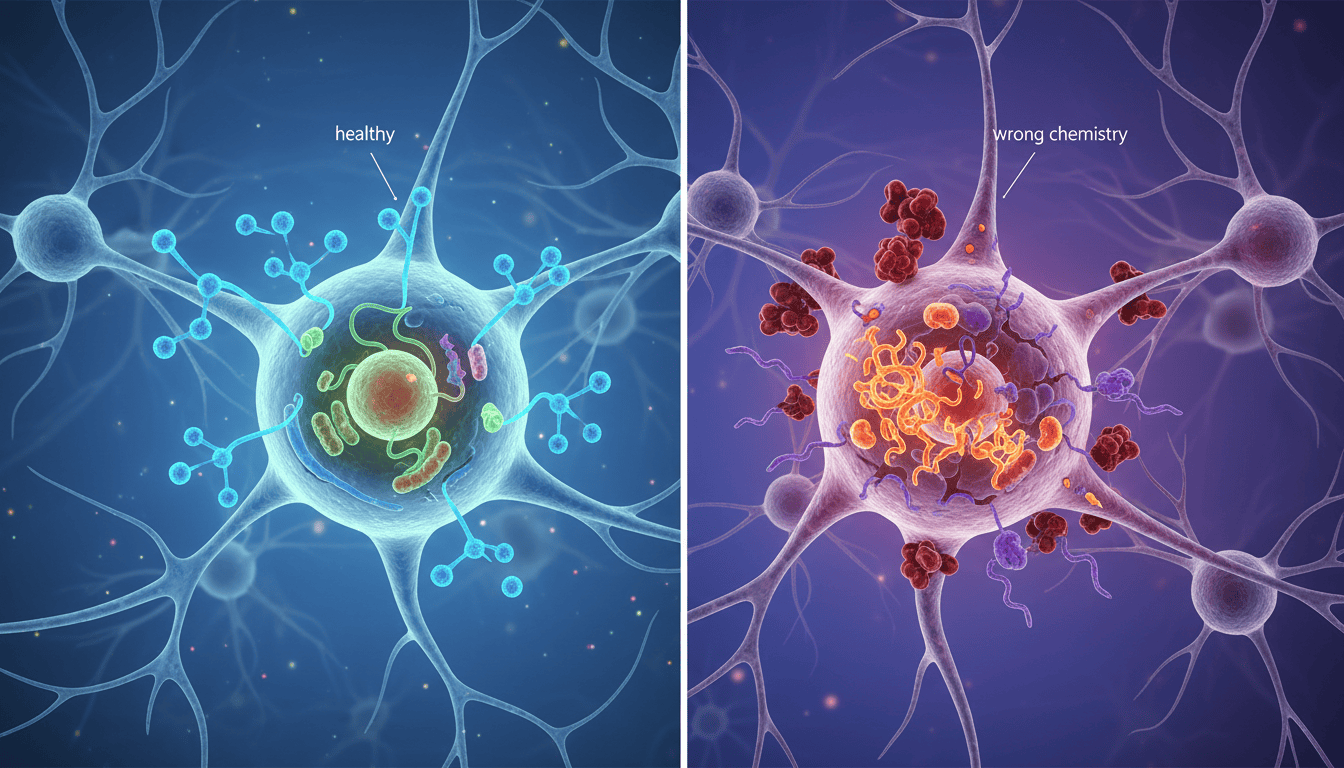
Redox balance describes the delicate equilibrium between oxidising molecules that can damage cells and the antioxidant systems that neutralise them. Think of it like a busy kitchen where flames are constantly being lit and extinguished. Brain cells operate dozens of mitochondria, the cellular powerhouses that generate energy but also produce reactive oxygen species as a byproduct.
Under normal conditions, cells deploy sophisticated defence systems. Enzymes like superoxide dismutase and glutathione peroxidase work around the clock, converting harmful molecules into harmless water and oxygen. The transcription factor NRF2 acts like a smoke detector, sensing oxidative stress and switching on protective genes within minutes.
But neurons face unique challenges. Unlike other cells, most neurons cannot divide and replace themselves. They must survive for decades while maintaining intricate networks of connections. Their long, branching structures make it harder to distribute protective molecules evenly. When the balance tips toward oxidation, brain cells have fewer options for recovery than cells elsewhere in the body.
What the research shows
Studies examining brain tissue from people with Parkinson’s, Alzheimer’s, and motor neurone disease consistently find evidence of oxidative damage. Researchers observe lipid peroxidation, where cell membranes become riddled with oxidative holes. Proteins develop abnormal cross-links that interfere with their function. DNA accumulates mutations that cells struggle to repair.
In Parkinson’s disease, dopamine-producing neurons in the substantia nigra show depleted levels of glutathione, one of the brain’s most important antioxidants. This depletion appears early in the disease process, often before motor symptoms emerge. The neurons that die first are precisely those with the highest metabolic demands and the greatest exposure to oxidative stress.
Alzheimer’s research reveals how amyloid plaques and tau tangles interact with oxidative stress in destructive cycles. Amyloid fragments trigger inflammatory responses that generate more reactive oxygen species. These molecules then promote further protein misfolding and aggregation. Brain imaging studies show that regions with the highest metabolic activity often develop the earliest signs of pathology.
Motor neurone disease presents perhaps the starkest example. The longest neurons in the human body, stretching from the spinal cord to the muscles in your feet, face enormous challenges in maintaining redox balance across their extended networks. Mutations in the antioxidant enzyme SOD1 cause familial forms of the disease, directly linking redox dysfunction to neuronal death.
Why cells need redox balance
Evolution preserved elaborate antioxidant systems because cellular chemistry requires precise conditions. Proteins fold into specific shapes that determine their function. Even small amounts of oxidative damage can alter these structures, like rust weakening metal joints. Neurons depend on rapid electrical signalling, which requires pristine ion channels and perfectly maintained membrane potentials.
The brain’s isolation behind the blood-brain barrier adds another layer of complexity. While this barrier protects neurons from toxins, it also limits their access to circulating antioxidants. Brain cells must largely fend for themselves, relying on locally produced protective molecules.
Synaptic transmission generates particularly intense oxidative stress. When neurons fire rapidly, calcium floods into the cells, triggering bursts of mitochondrial activity. The neurotransmitter dopamine spontaneously oxidises, creating reactive quinones that can damage cellular machinery. Brain regions with high synaptic activity invest heavily in antioxidant defences for good reason.
What affects redox balance in the brain
Age represents the most significant factor. Mitochondria accumulate damage over time, becoming less efficient at energy production while generating more oxidative byproducts. The brain’s antioxidant systems also decline with age. Glutathione levels drop, and the cellular recycling systems that clear damaged proteins work more slowly.
Inflammation amplifies oxidative stress through activated immune cells called microglia. When these cells detect threats, they release reactive oxygen species as weapons against pathogens. Chronic inflammation can create sustained oxidative pressure that overwhelms cellular defences. Head injuries, infections, and autoimmune conditions all contribute to this inflammatory burden.
Environmental factors play measurable roles. Air pollution particles can cross into the brain and trigger oxidative responses. Heavy metals like lead and mercury interfere with antioxidant enzymes. Even psychological stress elevates cortisol levels, which can suppress cellular repair mechanisms and increase oxidative damage.
Genetics influence individual vulnerability. Variations in genes encoding antioxidant enzymes affect how well people handle oxidative stress. Apolipoprotein E variants, strongly linked to Alzheimer’s risk, alter how efficiently brain cells manage lipid oxidation and cellular debris removal.
What remains unknown
Scientists still debate whether oxidative stress causes neurodegeneration or results from it. The relationship likely involves both directions, creating self-reinforcing cycles that researchers are working to understand. Different brain regions show varying susceptibility to oxidative damage, but the underlying reasons remain unclear.
The timing of redox imbalance during disease development presents another puzzle. Some studies suggest oxidative stress appears decades before symptoms, while others point to it as a later consequence of protein aggregation and cellular dysfunction. Determining these sequences could reveal new therapeutic windows.
Individual differences in oxidative stress responses vary dramatically, even among people with identical genetic mutations. Some individuals with high-risk genetic variants never develop disease, while others succumb despite relatively low apparent risk factors. Environmental interactions and epigenetic modifications likely contribute, but the specific mechanisms need clarification.
What this science reveals about brain resilience
Research into redox balance illuminates how brain cells navigate the fundamental tension between energy production and cellular preservation. Every thought, memory, and movement depends on neurons successfully managing this oxidative burden. The brain’s elaborate antioxidant networks represent millions of years of evolutionary refinement, yet they remain vulnerable to the accumulated stresses of modern life and extended lifespans. Understanding these mechanisms offers insights into why some brains age successfully while others falter, even when genetics and environment appear similar.

Matt Elliott is the editor of Redox News Today, an independent publication covering peer-reviewed research on cellular health, redox signalling, and related biomedical science.