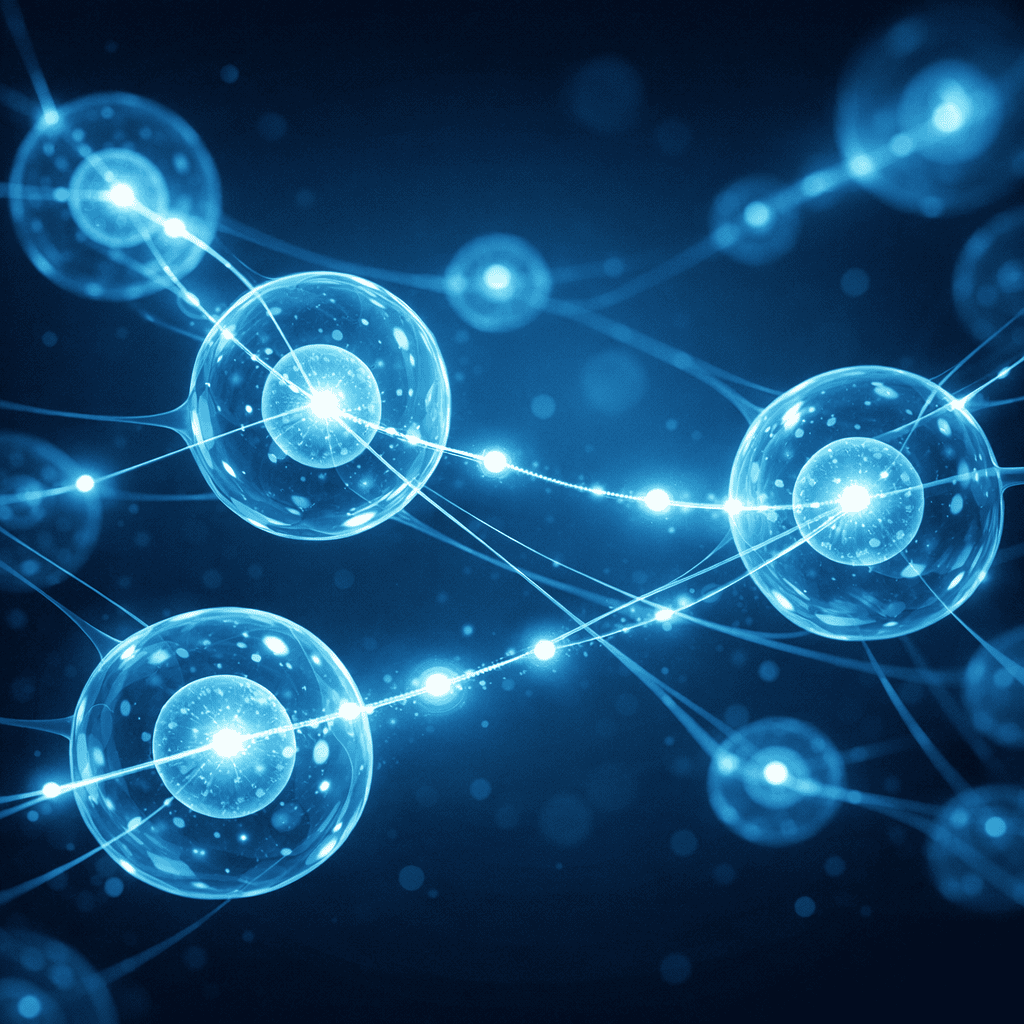
Your body contains approximately 37 trillion cells. None of them act alone. A muscle cell contracting, an immune cell hunting a pathogen, a liver cell clearing a toxin — each of these is a response to a signal received from somewhere else. Cellular signalling is the communication infrastructure that makes coordinated biology possible, and understanding its basics changes how you think about virtually every health outcome.
The field has expanded dramatically in the past two decades. Signal transduction research now touches cancer biology, immunology, neuroscience, and ageing. It is also one of the most pharmacologically targeted areas in medicine — a large proportion of approved drugs work by interfering with, activating, or mimicking specific cellular signals.
How a Signal Actually Works
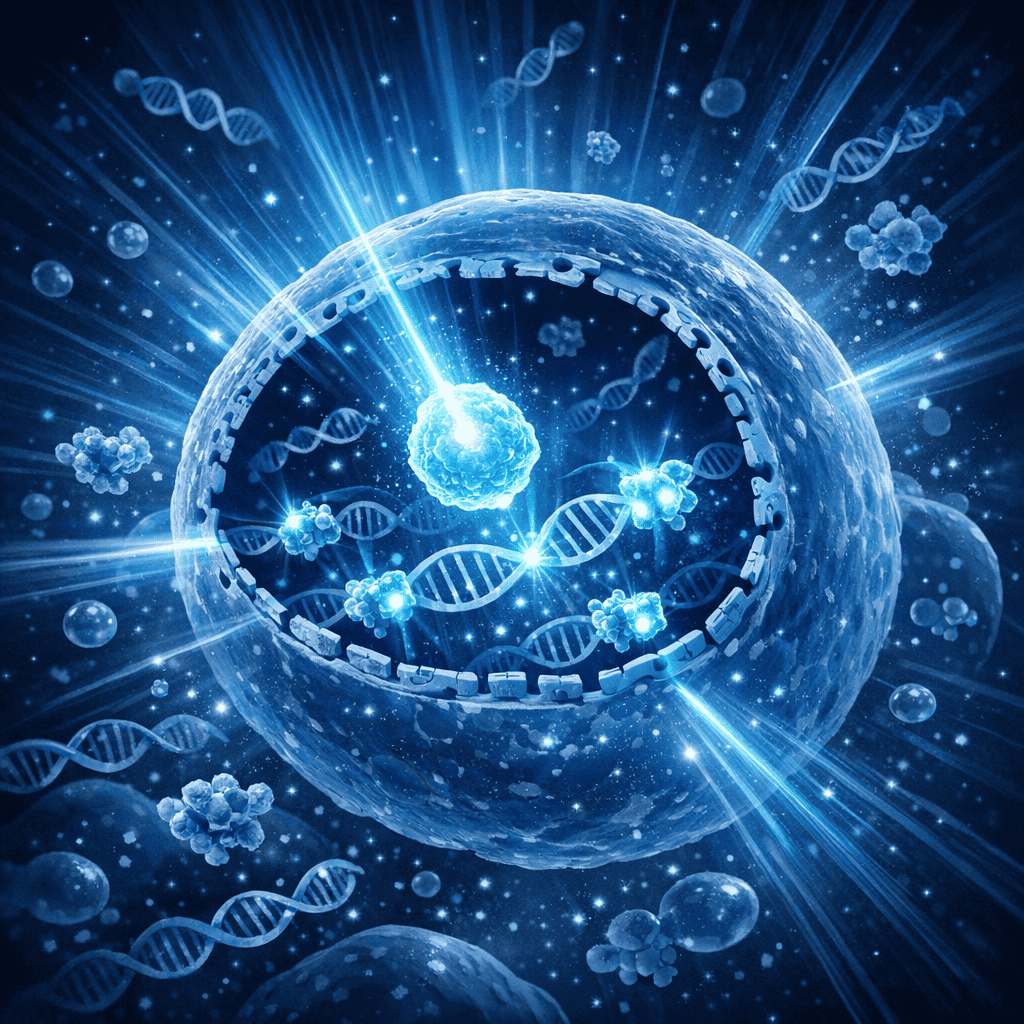
The basic unit of cellular communication is a ligand binding to a receptor. A ligand is any molecule — a hormone, a neurotransmitter, a growth factor, a reactive oxygen species — that carries information. A receptor is a protein, usually embedded in the cell membrane or located inside the cell, that recognises and responds to that ligand.
When a ligand binds its receptor, it triggers a conformational change — the receptor shifts shape, and that physical change initiates a cascade of reactions inside the cell. These cascades are called signal transduction pathways. One signal at the cell surface can activate dozens of downstream molecular events. The signal is amplified, routed, and eventually produces a specific cellular response: a gene switches on, a protein is produced, a cell divides, or a cell initiates its own programmed death.
The specificity is remarkable. Different cell types express different receptors, which is why adrenaline makes your heart beat faster but also dilates your airways and raises blood glucose — the same molecule, different receptors in different tissues, different responses.
The Main Categories of Signalling
Researchers classify cellular signalling by the distance over which signals travel.
Autocrine signalling is a cell messaging itself. This sounds circular, but it serves real functions. Cancer cells exploit autocrine signalling to sustain their own growth signals without waiting for external input — one of the ways tumours become self-sufficient.
Paracrine signalling covers short distances, between neighbouring cells. When tissue is damaged, injured cells release paracrine signals that alert surrounding cells to initiate repair. The response is local and fast. This is also how synaptic transmission works in the nervous system — a neuron releases neurotransmitters across a tiny gap to the next neuron.
Endocrine signalling travels long distances via the bloodstream. Hormones are the canonical example. Cortisol released from the adrenal glands reaches cells across the entire body, coordinating a systemic stress response.
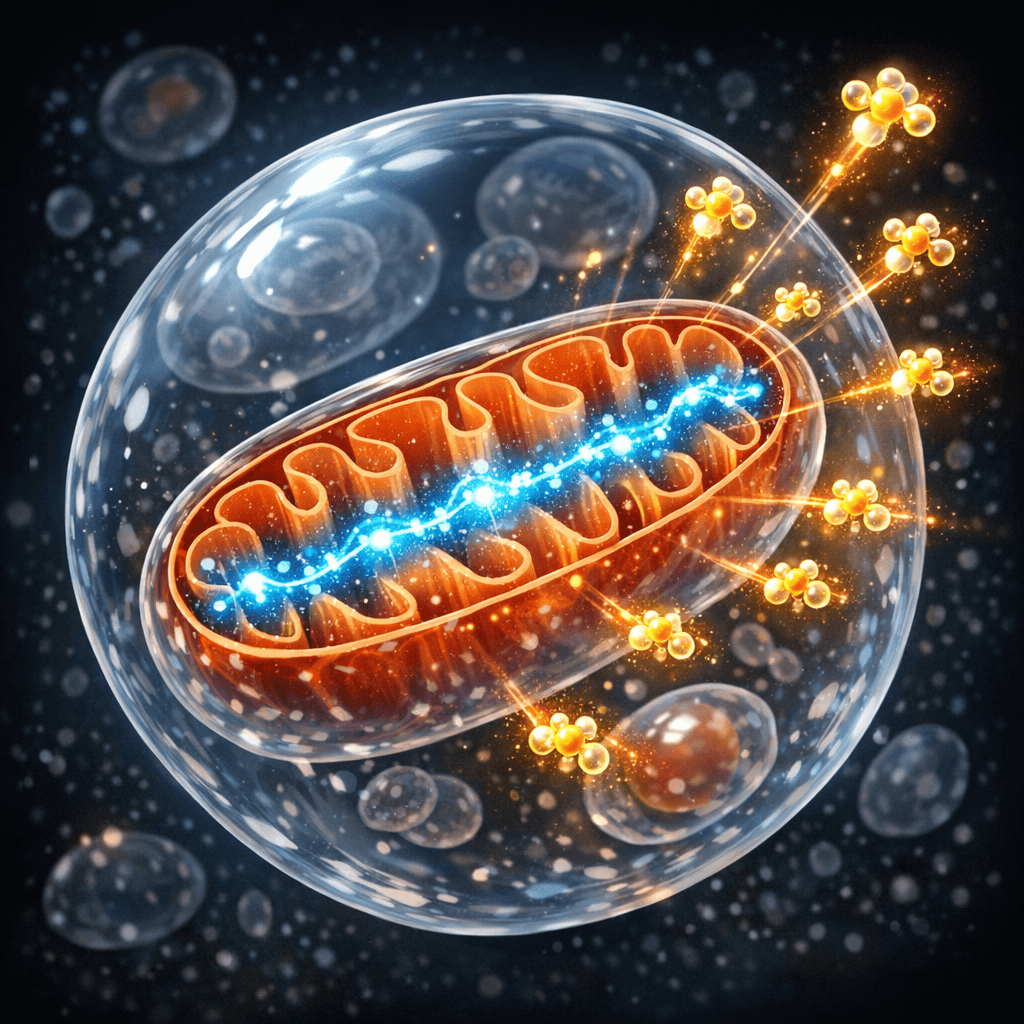
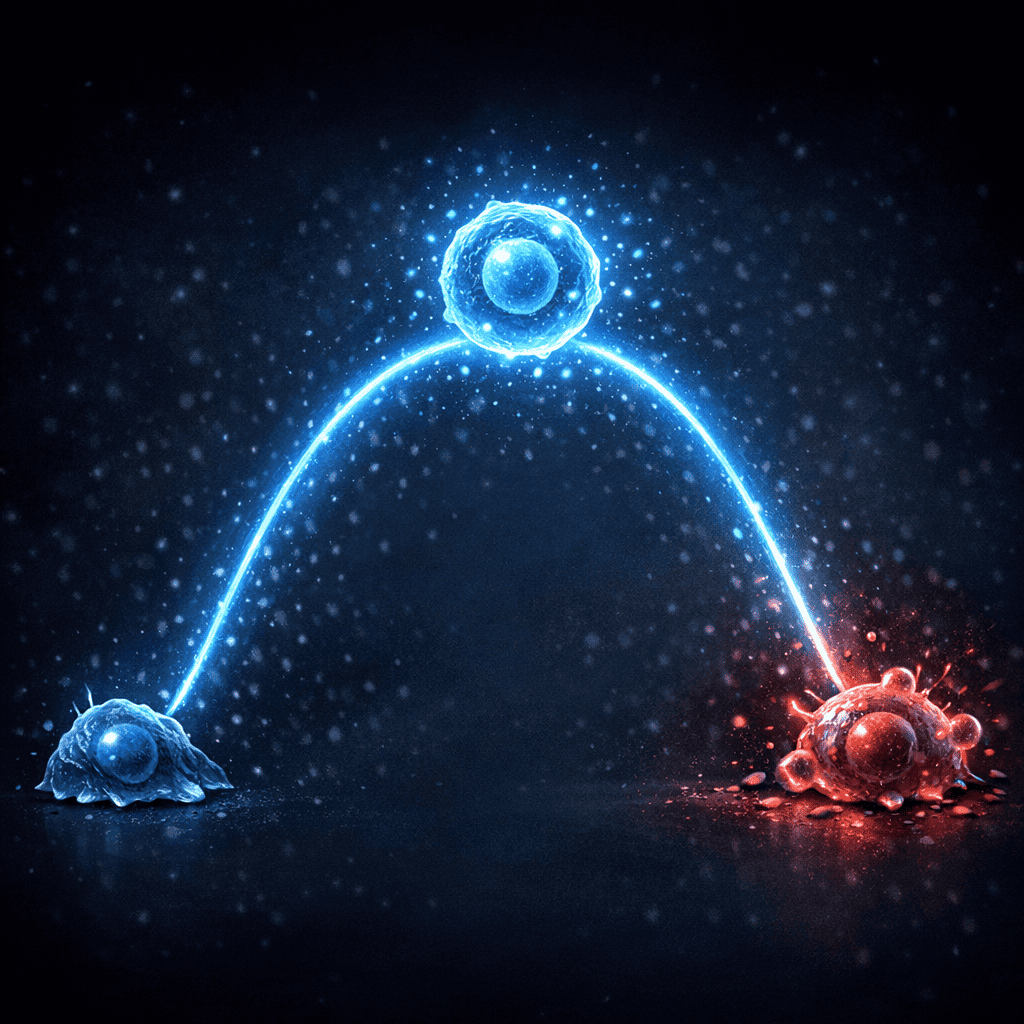
Redox signalling has emerged as a fourth category that does not fit neatly into the others. Reactive oxygen species produced by mitochondria act as intracellular and short-range signals that regulate cellular repair, immune activation, and the balance between cell survival and programmed cell death. Unlike hormones, which operate on timescales of minutes to hours, redox signals can operate in seconds. Their speed makes them particularly important in acute stress responses and in the continuous low-level maintenance that healthy cells perform constantly.
Signal Fidelity and What Corrupts It
For signalling to produce the right response, the signal needs to be clear, reach the right receptor, and be interpreted correctly. Several things can disrupt this.
Receptor downregulation occurs when a cell is chronically overstimulated and begins removing receptors from its surface to reduce sensitivity. Insulin resistance is a well-understood example: chronic high insulin levels cause cells to reduce their insulin receptor density, making them less responsive over time.
Signalling pathway mutations are a core mechanism in cancer. When a mutation locks a growth-promoting pathway in the permanently-on position, the cell divides without waiting for an external growth signal. Targeting these mutated pathways is the basis of most targeted cancer therapies.
Mitochondrial decline with age reduces the production of redox signalling molecules, gradually degrading the localised communication that healthy cells depend on. This is not an isolated effect — impaired redox signalling means slower immune activation, less efficient cellular repair, and reduced capacity to clear damaged or senescent cells.
Chronic inflammation itself distorts signalling. Inflammatory cytokines interfere with insulin signalling, thyroid signalling, and reproductive hormone signalling. It is one of the mechanisms through which conditions like obesity and metabolic syndrome cascade into broader systemic effects.
What Remains Unknown
Cellular signalling networks are extraordinarily complex, and the full map remains incomplete. Individual pathways are well characterised, but how they interact — how a signal in one pathway modifies the response in another — is still being worked out. The concept of cross-talk between pathways is established, but predicting how multiple simultaneous signals are integrated by a single cell remains a hard problem.
Context dependency is another open frontier. The same signal can produce opposite responses in different cell types, or even in the same cell type depending on its current state. Understanding why requires understanding the full molecular context of the cell at the moment it receives a signal — a level of resolution that current techniques are only beginning to approach.
Why This Is Worth Understanding
Cellular signalling is not a background detail of biology. It is the mechanism through which every health outcome is produced. When you exercise and your muscles adapt, that is signalling. When you recover from an infection, that is signalling. When chronic stress degrades your immune function, that is also signalling — pathways that were designed for short-term threat response being held open too long.
The more precisely researchers understand these pathways, the more precisely medicine can intervene in them. That process is already well underway. For anyone trying to understand what drives health and disease at a fundamental level, cellular signalling is the right place to start.

Matt Elliott is the editor of Redox News Today, an independent publication covering peer-reviewed research on cellular health, redox signalling, and related biomedical science.