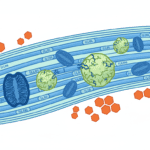
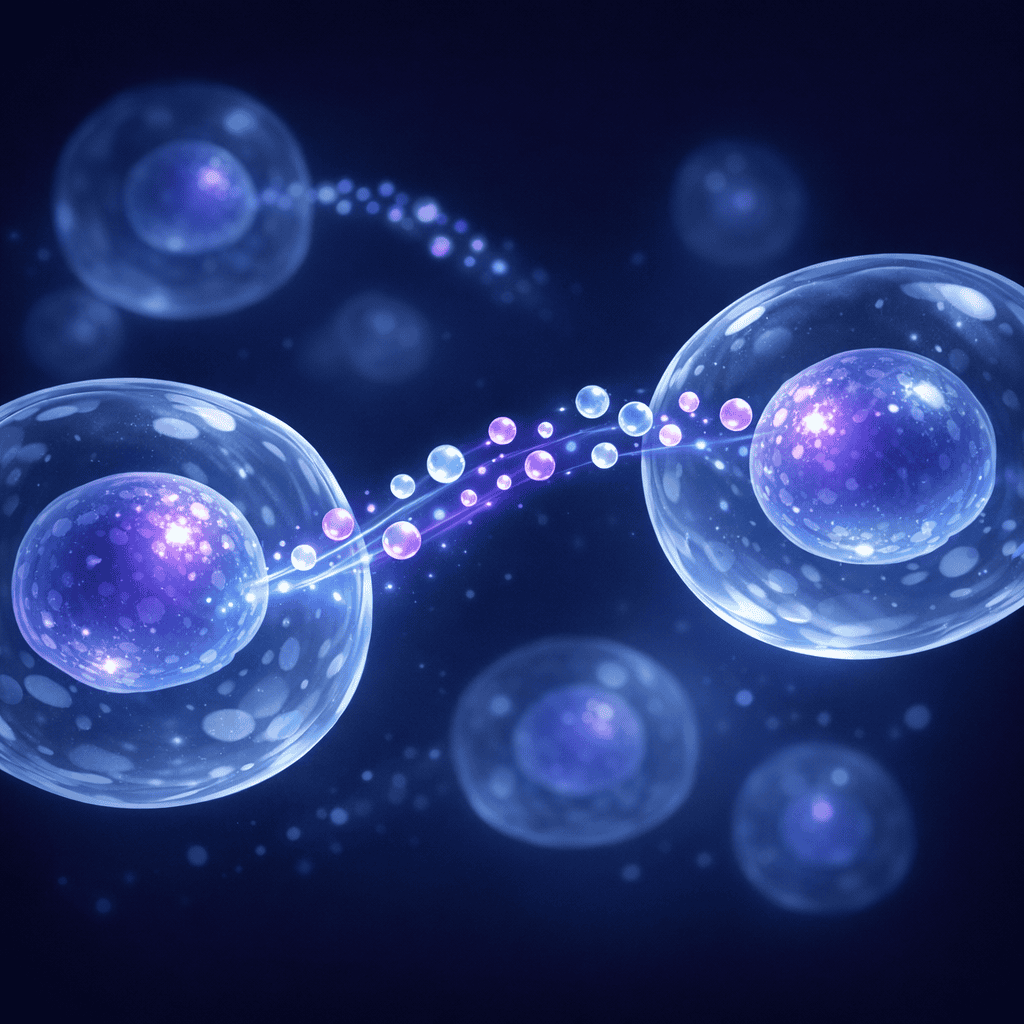
Your cells are talking to each other right now. Not metaphorically. Chemically. Tiny reactive molecules produced inside your mitochondria are carrying signals across and between cells at this moment, telling some cells to divide, others to repair, others to die on schedule before they cause problems. This signalling system is called redox signalling, and researchers have spent the last two decades realising it is far more central to human health than anyone previously understood.
More than 30,000 peer-reviewed studies on redox signalling are indexed in PubMed. That number has roughly doubled in the past decade. This is not a fringe idea finding its feet. It is one of the fastest-moving areas of biomedical research, with new findings published weekly.
What Redox Signalling Molecules Are
Redox signalling molecules are reactive chemical species produced primarily by your mitochondria as a natural consequence of energy production. They include reactive oxygen species (ROS) and their chemically reduced counterparts. The word redox refers to the paired chemical reactions at their core: reduction (a molecule gaining electrons) and oxidation (a molecule losing electrons). These reactions are fundamental to life. Every cell in your body depends on them.
For most of the twentieth century, scientists treated these reactive molecules as cellular waste. Harmful byproducts of metabolism that the body tolerated rather than needed. That framing was wrong. Research from the 1990s onward has progressively demonstrated that these molecules are not waste at all. They are messengers. They carry instructions. A cell that stops producing them cannot regulate its own behaviour, cannot flag damage, cannot coordinate immune responses. The communication breaks down.
The distinction matters because a generation of health advice was built on the wrong model.
Why the Antioxidant Story Got More Complicated
The popular narrative from the 1980s onward was simple: free radicals damage cells, antioxidants neutralise free radicals, therefore more antioxidants equal better health. Supplement sales followed this logic into the billions. The science did not.
Several large clinical trials found that high-dose antioxidant supplementation produced no benefit and in some cases caused harm. A landmark 1994 trial involving beta-carotene supplementation in male smokers was halted early after researchers found increased rates of lung cancer in the supplemented group. Later analyses of vitamin E and vitamin C megadoses found similarly disappointing results against cardiovascular disease and cancer.
The explanation emerging from redox research is that blanket antioxidant supplementation interferes with signalling. If reactive oxygen species are messengers, flooding the system with molecules designed to eliminate them disrupts the message. A 2009 study published in the Proceedings of the National Academy of Sciences found that antioxidant supplementation blunted the beneficial cellular adaptations normally triggered by exercise. The body’s redox signalling was doing something useful, and the supplements got in the way.
The goal is not to eliminate reactive molecules. The goal is balance. Enough oxidative species to signal effectively, enough reductive capacity to prevent runaway damage. Maintaining that balance is what a healthy redox system does.
What Happens as Redox Signalling Declines
Mitochondria become less efficient with age. Output drops. By the fifth decade of life, measurable declines in mitochondrial function are well documented in the research literature. As the mitochondria slow down, so does the production of redox signalling molecules.
The downstream effects are not subtle. Cells that should be flagged for removal persist longer than they should. Immune responses take longer to activate. Repair processes that once ran quickly begin to lag. Research on senescent cells, those that have stopped dividing but refuse to die, suggests that impaired redox signalling contributes to their accumulation. Senescent cells secrete inflammatory molecules and compromise the tissue around them. Their build-up is a consistent feature of aged tissue across species.
None of this is inevitable or irreversible in its early stages. The lifestyle variables that support mitochondrial function are well-established: regular exercise (particularly aerobic exercise with resistance training), consistent quality sleep, dietary patterns emphasising whole foods and limiting ultra-processed foods, and reduced exposure to environmental oxidants including cigarette smoke, air pollution, and excessive alcohol. Each of these supports the mitochondria and helps maintain the signalling capacity that cellular communication depends on.
What Remains Unknown
Redox signalling is a young field carrying a heavy load of unresolved questions. Researchers can demonstrate that specific reactive oxygen species act as signals in specific cellular contexts, but mapping the full signalling network remains an enormous challenge. Different cell types respond to the same molecule differently. The concentrations that trigger beneficial signalling versus those that cause damage are not fully characterised and appear to vary significantly between tissue types.
The therapeutic implications are also largely unresolved. If declining redox signalling drives aspects of ageing, can it be restored? If so, by what means, and with what safety profile? These are active research questions without settled answers. The science is clear that the old antioxidant-as-more-is-better model is wrong. What replaces it at the clinical level is still being worked out.
The honest position is that we understand the architecture of redox signalling much better than we understand how to intervene in it safely and specifically.
Why It Matters
Redox signalling sits underneath nearly every system in the body. Immune function, inflammation response, cellular repair, energy regulation, programmed cell death. These processes do not operate independently. They are coordinated by chemical signals, and redox molecules are central to that coordination.
Understanding this changes how you think about cellular health. It shifts the question from which supplement neutralises the most free radicals to how do I support the system that regulates them. Those are very different questions with very different answers. The research community made that shift years ago. The broader conversation is catching up.

Matt Elliott is the editor of Redox News Today, an independent publication covering peer-reviewed research on cellular health, redox signalling, and related biomedical science.